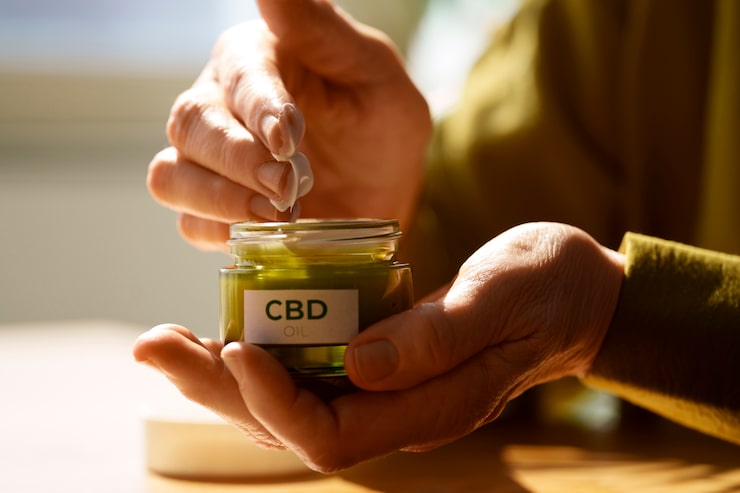







CBD is generally well tolerated by healthy adults, but experts say it is not risk-free: it can affect the liver, interact with common medicines, cause drowsiness and digestive upset, and many products contain different amounts of CBD or THC than their labels claim. The World Health Organization found no evidence of abuse potential, while the US Food and Drug Administration and UK regulators have raised safety concerns about long-term daily use. This guide explains what experts and regulators say, how CBD products are made and how to reduce the risks.
Is CBD Safe According to the WHO?
The WHO’s Expert Committee on Drug Dependence concluded in 2018 that CBD has no evidence of abuse or dependence potential and is generally well tolerated. The committee recommended that pure CBD should not be placed under international drug control. This assessment covered safety and dependence, not whether CBD is effective for any health claim.
What Does the FDA Say About CBD Safety?
The FDA stated in January 2023 that existing food and supplement rules are not suitable for CBD and that a new regulatory pathway is needed. The agency listed 4 main concerns:
- Liver harm: raised liver enzymes have been seen in clinical studies, especially at higher doses.
- Drug interactions with other medicines.
- Possible harm to the male reproductive system, based on animal studies.
- Exposure risks for children, pregnant and breastfeeding women.
The only FDA-approved CBD medicine is Epidiolex, a prescription treatment for seizures in 3 rare forms of epilepsy. Its prescribing information lists raised liver enzymes, sleepiness, reduced appetite and diarrhoea among its known side effects.
How Much CBD Is Considered Safe?
The UK Food Standards Agency advised in October 2023 that healthy adults should take no more than 10 mg of CBD per day. This was lowered from an earlier guideline of 70 mg per day after new safety evidence. The agency advises that people who are pregnant, breastfeeding or taking medication should not use CBD without medical advice. The European Food Safety Authority stated in 2022 that the safety of CBD as a food ingredient could not yet be established because of data gaps.
Which Medicines Interact With CBD?
CBD can interact with medicines processed by the liver’s cytochrome P450 enzymes, especially CYP3A4 and CYP2C19. This can raise or lower the level of another drug in the blood. 5 groups of medicines need particular caution:
- Blood thinners such as warfarin.
- Some anti-seizure medicines, such as clobazam.
- Sedatives, sleeping pills and some antidepressants.
- Some heart and blood pressure medicines.
- Any medicine with a grapefruit warning, which uses similar liver pathways.
Speak to a doctor or pharmacist before using CBD with any prescription medicine.
How Are CBD Products Made?
CBD products are made by extracting cannabinoids from hemp plants and then refining them into oils, capsules, edibles or creams. The 2 most common extraction methods are CO2 extraction, which uses pressurised carbon dioxide, and ethanol extraction. The extract is then processed into 1 of 3 main types:
| Type | What it contains | THC |
|---|---|---|
| Full-spectrum | CBD plus other cannabinoids, terpenes and flavonoids | Small amounts, up to 0.3% in US hemp products |
| Broad-spectrum | CBD and other plant compounds | THC removed, though traces can remain |
| Isolate | Pure CBD only | None |
Full-spectrum products can cause a positive result on a drug test for THC.
Are CBD Product Labels Accurate?
Many CBD labels are inaccurate. A 2017 study by Bonn-Miller and colleagues in JAMA tested 84 CBD products sold online and found that only about 31% were accurately labelled. About 43% contained more CBD than stated, about 26% contained less, and THC appeared in about 21% of the products.
Why Has CBD Grown So Fast in the Wellness Industry?
CBD grew rapidly after the 2018 US Farm Bill legalised hemp containing no more than 0.3% THC at the federal level. Products quickly spread into oils, gummies, skincare, drinks and pet products. Regulation did not keep pace, which explains why product quality and label accuracy vary so widely. The FDA has sent warning letters to companies that claimed CBD could treat or cure diseases without approval.
Who Should Avoid CBD?
4 groups should avoid CBD or use it only under medical supervision:
- People who are pregnant or breastfeeding.
- Children, except when prescribed for a medical condition.
- People with liver disease.
- People taking medicines that interact with CBD.
How to Use CBD More Safely
To use CBD more safely, follow 6 steps:
- Speak to a doctor or pharmacist first, especially if you take any medicine.
- Buy products with a recent third-party Certificate of Analysis (COA).
- Check the COA for CBD and THC levels and tests for pesticides, heavy metals and solvents.
- Start with a low dose and stay within local guidance, such as the UK’s 10 mg per day.
- Avoid products that promise to cure diseases.
- Stop using CBD and seek medical advice if you notice yellowing skin, dark urine, unusual tiredness or abdominal pain, which can signal liver problems.
For what research says about CBD’s possible benefits, read CBD benefits backed by research.
Frequently Asked Questions
Is CBD addictive?
No. The WHO found no evidence that CBD causes dependence or has abuse potential.
Can CBD damage the liver?
CBD can raise liver enzymes, particularly at high doses or with other medicines. Regular use should be discussed with a doctor.
Can you fail a drug test from CBD?
Yes, especially with full-spectrum products that contain small amounts of THC, or mislabelled products.
Is it safe to take CBD every day?
Long-term daily safety is not fully established. UK regulators advise healthy adults to stay at or below 10 mg per day.
Sources
- World Health Organization Expert Committee on Drug Dependence. Cannabidiol (CBD) critical review report, 2018.
- US Food and Drug Administration. FDA concludes that existing regulatory frameworks for foods and supplements are not appropriate for cannabidiol, January 2023.
- Epidiolex (cannabidiol) prescribing information.
- UK Food Standards Agency. Updated advice on CBD, October 2023.
- European Food Safety Authority. Statement on safety of cannabidiol as a novel food, 2022.
- Bonn-Miller MO et al. Labeling Accuracy of Cannabidiol Extracts Sold Online. JAMA, 2017.
This article is for general information and is not medical advice. Speak to a doctor before using CBD.