






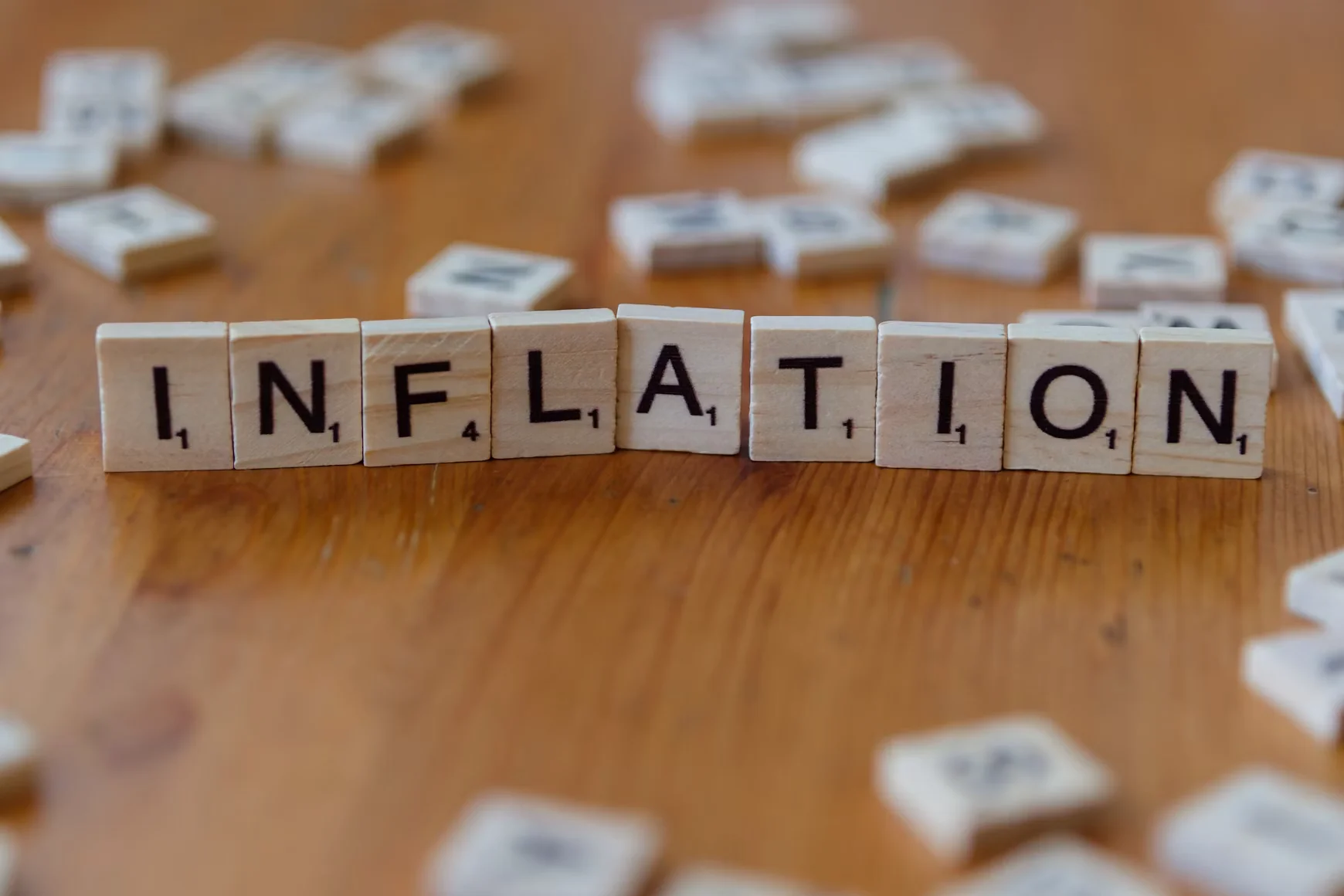
Inflation is called a “silent tax” because it reduces what your money can buy without any money being taken from your account. When prices rise faster than incomes or savings, each dollar or rupee buys less, so people effectively become poorer even if their bank balance stays the same. For example, at 3% annual inflation, $100 buys only about $74 worth of today’s goods after 10 years. This guide explains what inflation is, what causes it, how it affects households and businesses, and practical ways to protect your purchasing power.
What Is Inflation and Purchasing Power?
Inflation is a general rise in the prices of goods and services across the economy over time. Purchasing power is the amount of goods and services a unit of money can buy. When inflation rises, purchasing power falls. Governments usually measure inflation with a consumer price index (CPI), which tracks the price of a typical basket of everyday items such as food, rent, fuel, transport and healthcare. Many central banks, including the US Federal Reserve, aim to keep inflation at around 2% a year.
Why Is Inflation Called a Silent Tax?
A normal tax takes money from you directly. Inflation instead lowers the value of the money you already have. Your salary or savings may look the same, but they buy less each year. People on fixed incomes, such as pensioners, and people who keep savings in accounts paying little or no interest, are hit hardest.
| Annual inflation | What $100 buys after 5 years | After 10 years |
|---|---|---|
| 2% | About $91 | About $82 |
| 3% | About $86 | About $74 |
| 5% | About $78 | About $61 |
| 10% | About $62 | About $39 |
For example, someone saving for two years to buy a car may find that, by the time they have the money, the car’s price has risen and their savings are no longer enough.
What Causes Inflation?
- Demand-pull inflation: when people and businesses want to buy more than the economy can produce, sellers raise prices.
- Cost-push inflation: when production costs rise, for example because of higher oil prices, wages or import costs, businesses pass them on to customers.
- Too much money in circulation: rapid growth in the money supply can push prices up over time.
- Currency weakness: when a country’s currency falls, imports become more expensive. Read more in how currency exchange rates are determined.
- Expectations: if people expect prices to keep rising, they may buy sooner and ask for higher wages, which can keep inflation going.
How Does Inflation Affect Everyday Consumers?
- Food: higher grocery bills hit low-income households hardest, because food takes a larger share of their budget.
- Housing: landlords often raise rents, and higher interest rates used to fight inflation make mortgages more expensive.
- Transport: higher fuel prices raise the cost of driving and often push up public transport fares.
- Savings: if your savings earn less interest than the inflation rate, their real value shrinks every year.
- Debt: inflation can reduce the real value of fixed-rate debt, but variable-rate loans and credit cards usually become more expensive as interest rates rise.
How Does Inflation Affect Businesses?
Businesses face higher costs for materials, energy, transport and wages. Small businesses often feel this most because they have less bargaining power with suppliers and smaller cash reserves. Common responses include reviewing prices carefully, finding more efficient processes, negotiating with or switching suppliers and keeping a close watch on cash flow. Our guides on managing cash flow and creating a business budget can help.
How Do Central Banks Fight Inflation?
Central banks usually raise interest rates to slow borrowing and spending, which reduces pressure on prices. Higher rates make loans more expensive but can help savers. Learn more in how central banks decide interest rates, and see a recent example in our coverage of the Federal Reserve’s October 2026 decision.
How Can You Protect Your Purchasing Power?
- Track your spending and build a realistic budget so rising costs do not catch you by surprise.
- Keep an emergency fund in an insured, interest-paying account. See how to build an emergency fund.
- Avoid leaving large savings in accounts that pay no interest.
- Invest for long-term goals, since diversified investments have historically outpaced inflation over long periods, though they carry risk.
- Consider inflation-protected savings where available, such as US Treasury I bonds or TIPS.
- Pay down high-interest, variable-rate debt before rates rise further.
- Grow your income through raises, new skills or a side income.
Conclusion
Inflation quietly reduces the value of money, which is why it is called a silent tax. It raises the cost of food, housing, transport and business inputs, and it erodes savings that do not earn enough interest. Central banks try to keep inflation low and stable, but households and businesses can also protect themselves by budgeting, keeping savings in interest-bearing accounts, investing for the long term, managing debt and growing their income.
This article is for general information only and is not financial advice.
Frequently Asked Questions
Is some inflation good for the economy?
Many economists see low, stable inflation of around 2% as healthy, because it encourages spending and investment. Very high inflation, or falling prices (deflation), can both harm the economy.
Who is hurt most by inflation?
People on fixed incomes, low-income households and savers with money in low-interest accounts usually feel the biggest impact.
How is inflation measured?
Most countries use a consumer price index (CPI), which tracks the prices of a typical basket of goods and services. In the US, the Bureau of Labor Statistics publishes CPI data every month.