





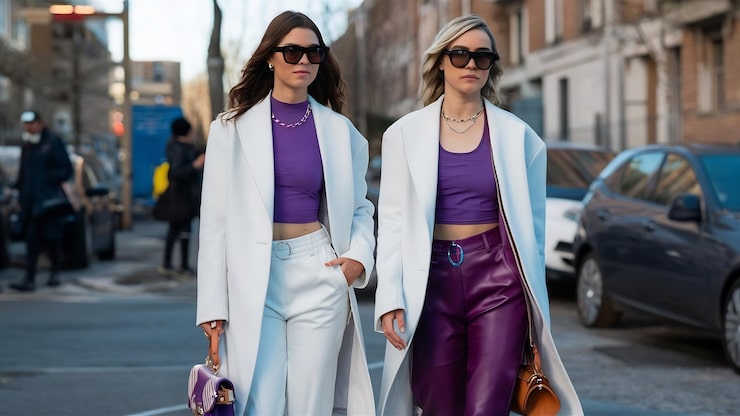
Fashion trends influence modern lifestyle in 6 ways: they shape how people spend money, how they present themselves online, how they dress for work, which values they show through clothing, how fast they shop and how they combine comfort with style. Social media has made trend cycles faster than ever. This guide explains how trends start and spread, how they affect daily life and how to follow trends without overspending or wasting clothes.
How Do Fashion Trends Start?
Fashion trends start from designers, celebrities, street style, culture and, increasingly, social media creators. Runway collections, music videos, films and viral TikTok or Instagram posts can all launch a trend. Colour forecasters also influence trends. Pantone has named a Color of the Year since 2000, and brands across fashion, beauty and interiors often adopt it.
Why Are Fashion Trends Moving Faster Today?
Trends move faster because social media spreads new styles globally within days, and fast-fashion brands copy them quickly. McKinsey reported in 2016 that global clothing production roughly doubled between 2000 and 2014, while consumers kept each garment about half as long. Short-lived micro-trends now appear and fade within weeks.
1. How Do Trends Affect Spending?
Trends encourage frequent buying, which raises clothing spending and wardrobe turnover. Discounts, influencer promotions and limited drops create pressure to buy quickly. A cost-per-wear approach, dividing the price by expected wears, helps judge whether a trend item is worth it.
2. How Do Trends Shape Online Identity?
Clothing has become a key part of how people present themselves on social media. Outfit posts, try-on videos and aesthetics such as minimalism or streetwear help people express identity and join communities. Read how fashion reflects personal identity.
3. How Have Trends Changed Workwear?
Remote and hybrid work made comfortable, relaxed clothing more acceptable in many workplaces. Business casual has replaced suits in many offices, and smart knitwear, tailored trousers and clean trainers have become standard workwear.
4. How Do Trends Reflect Values?
Many shoppers now use fashion to express values such as sustainability, ethics and cultural pride. Secondhand shopping, repair and resale have grown, and modest fashion and traditional dress have become more visible in mainstream fashion. Read why sustainable fashion is the future.
5. What Is the Rise of Athleisure?
Athleisure is clothing designed for exercise but worn as everyday wear, such as leggings, joggers, hoodies and trainers. It reflects a lifestyle that values comfort, movement and wellness, and it now appears in offices, airports and restaurants.
6. How Do Trends Create Pressure?
Constant exposure to new trends can create pressure to keep up, which affects budgets and self-esteem. Comparing outfits with influencers can make people feel their wardrobe is never enough.
How to Follow Trends Without Overspending
| Strategy | How it works |
|---|---|
| 80/20 wardrobe | Keep 80% classic basics and add 20% trend pieces |
| Trend through accessories | Try trends with bags, scarves or jewellery instead of full outfits |
| Buy secondhand | Find trend pieces on resale apps at lower cost |
| 30 wears test | Buy only items you will wear at least 30 times |
| Wait 48 hours | Delay purchases to avoid impulse buying |
For a timeless base, read why minimal fashion is gaining popularity.
Frequently Asked Questions
Why do fashion trends change so quickly?
Social media spreads new styles globally within days, and fast-fashion brands produce copies quickly.
Is it bad to follow fashion trends?
No, but combining trends with classic basics prevents overspending and waste.
What is a micro-trend?
A micro-trend is a short-lived style that becomes popular quickly, often through social media, and fades within weeks or months.
How does fashion affect lifestyle?
Fashion shapes spending, self-expression, workwear norms and the values people show through clothing.
Sources
- McKinsey & Company. Style that’s sustainable: A new fast-fashion formula, 2016.
- Pantone Color Institute. Color of the Year programme.