








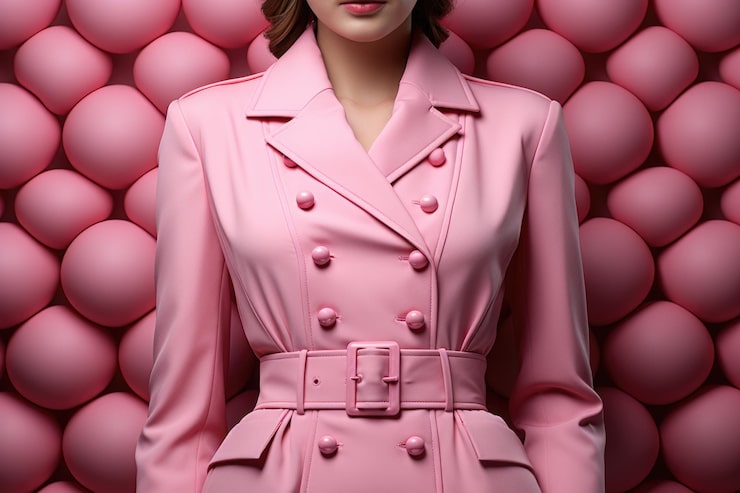
Fashion reflects personal identity because clothing communicates who a person is, which groups they belong to and how they want to be seen, and it also changes how the wearer thinks and behaves. Psychologists have shown that people form judgements from clothing within seconds, and that what we wear can affect our own focus and confidence. This guide explains how fashion expresses identity across 6 areas and how to build a personal style that feels authentic.
How Does Clothing Communicate Identity?
Clothing communicates identity by sending visible signals about personality, culture, values, profession and social group. Colours, fit, brands and accessories all carry meaning. A tailored suit, a band T-shirt and a traditional garment each tell observers something different about the wearer before a word is spoken.
How Quickly Do People Judge Others by Their Clothes?
People form impressions from clothing within a few seconds. In a 2013 study by Neil Howlett and colleagues, published in the Journal of Fashion Marketing and Management, participants viewed images of a man for just 3 seconds. When he wore a tailored suit rather than an off-the-peg version, he was rated as more confident, successful, flexible and higher-earning, even though his face was blurred.
Can Clothes Change How You Think and Feel?
Yes. Research on enclothed cognition shows that clothing can change the wearer’s attention and thinking. 2 studies illustrate this:
- In a 2012 experiment by Hajo Adam and Adam Galinsky in the Journal of Experimental Social Psychology, participants made fewer errors on attention tasks when wearing a white coat described as a doctor’s coat, but not when the same coat was described as a painter’s coat.
- A 2015 study by Michael Slepian and colleagues in Social Psychological and Personality Science found that people wearing formal clothing showed more abstract, big-picture thinking.
These effects explain why many people dress up to feel more focused at work or before an important meeting.
6 Ways Fashion Reflects Personal Identity
1. Personality
Style choices often mirror personality traits. Bold colours and statement pieces can signal confidence and creativity, while neutral, minimal outfits may reflect a preference for simplicity and order. Our article on why minimal fashion is gaining popularity explores one popular style.
2. Culture and Heritage
Traditional clothing connects people to their culture and history. The shalwar kameez in Pakistan, the sari in India, the kimono in Japan and kente cloth in Ghana all carry cultural meaning. Many people combine traditional and modern pieces to express both heritage and personal taste.
3. Religion and Values
Clothing can express religious belief and personal values. Modest fashion, including the hijab, has grown into a major global market. Values also shape choices about materials and brands, such as choosing secondhand, ethical or sustainable fashion.
4. Profession
Workwear signals role, expertise and authority. Uniforms for doctors, pilots and police make roles instantly recognisable. Office dress codes have become more relaxed in many industries, with business casual replacing suits in many workplaces, but clothing still affects how colleagues and clients perceive competence.
5. Social Groups and Subcultures
Fashion marks membership of groups and subcultures. Punk, hip-hop, streetwear, preppy and sports fan styles each use specific clothing, logos and accessories to show belonging and shared interests.
6. Life Stage and Change
Style often changes at major life moments, such as starting university, beginning a new job, becoming a parent or moving to a new country. Changing how you dress can reflect, and support, a new chapter of identity.
How Has Social Media Changed Fashion Identity?
Social media has made personal style more visible and faster-moving. Platforms such as Instagram and TikTok let people share outfits daily and discover styles from around the world. This creates opportunities for self-expression, but also pressure to follow fast-changing trends. Many people now focus on a consistent personal style rather than chasing every trend.
How to Build a Personal Style That Reflects You
To build a personal style, follow 6 steps:
- Review your wardrobe and note the pieces you wear most and feel best in.
- Choose 3 words that describe how you want to look, such as relaxed, polished and bold.
- Pick a core colour palette of 3 to 5 colours that suit you and mix easily.
- Prioritise fit, because well-fitting clothes look better than expensive clothes that fit poorly.
- Add signature pieces, such as a favourite jacket, watch or scarf.
- Buy fewer, better items that match your style words.
For a practical plan, read how to build a wardrobe that lasts for years.
Frequently Asked Questions
Why is fashion important to identity?
Fashion lets people express personality, culture, beliefs and group membership, and affects how others perceive them.
What is enclothed cognition?
Enclothed cognition is the effect clothing has on the wearer’s own thinking and behaviour, based on the symbolic meaning of the clothes.
Do clothes really affect first impressions?
Yes. Research shows people make judgements about confidence and success from clothing in about 3 seconds.
How do I find my personal style?
Start with the clothes you already love, choose 3 words to describe your desired look and build around a simple colour palette.
Sources
- Howlett N et al. The influence of clothing on first impressions. Journal of Fashion Marketing and Management, 2013.
- Adam H, Galinsky AD. Enclothed cognition. Journal of Experimental Social Psychology, 2012.
- Slepian ML et al. The Cognitive Consequences of Formal Clothing. Social Psychological and Personality Science, 2015.