






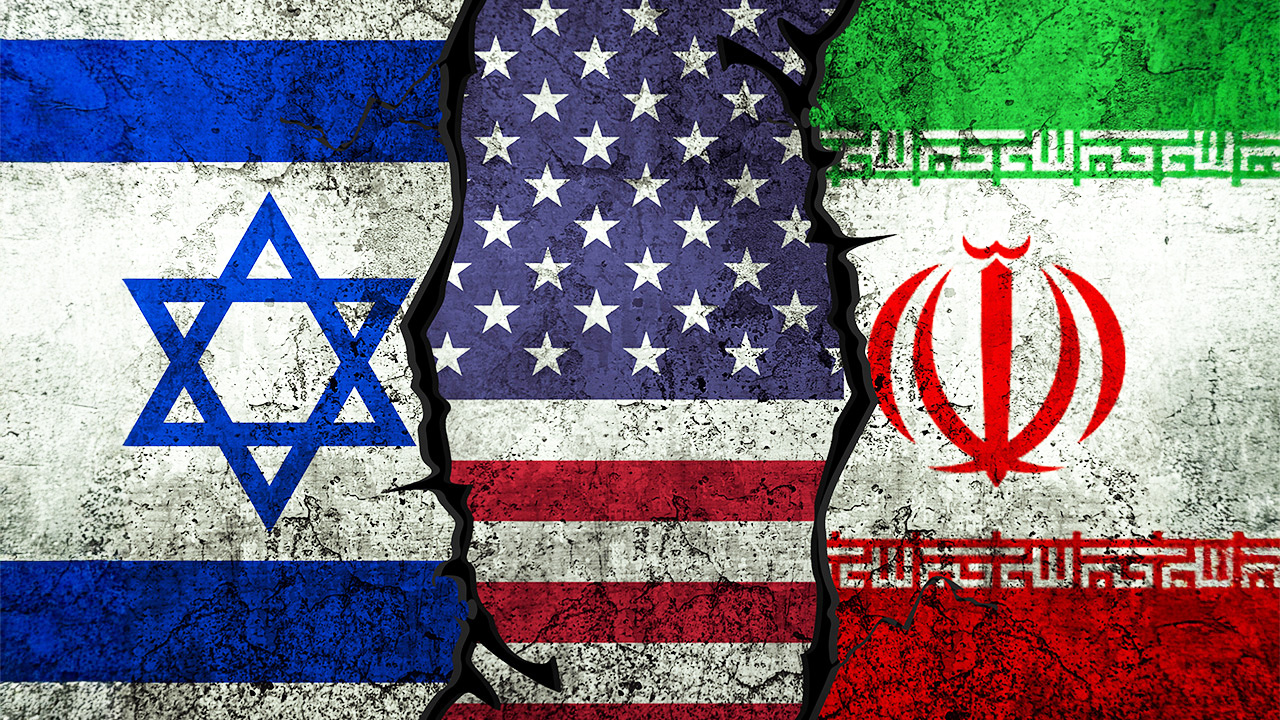
The ongoing conflict between Iran, Israel, and the United States has entered a critical and unpredictable phase in April 2026. What began as a series of targeted military operations has now evolved into a broader geopolitical crisis affecting global markets, regional stability, and international diplomacy.
Recent developments suggest a temporary calm, but underlying tensions remain extremely high. With ceasefire negotiations underway and military capabilities still intact, the world is closely watching how events unfold in the coming days.
Strait of Hormuz Reopens – A Major Turning Point
One of the biggest developments is the reopening of the Strait of Hormuz, a vital global oil route. Iran has announced that commercial ships can now pass through the strait after weeks of disruption.
Reports indicate that oil prices dropped sharply following this decision, signaling relief in global markets.
However, this move is tied to a temporary ceasefire agreement, and analysts warn that the situation remains fragile. Any violation of the ceasefire could immediately disrupt oil supply again.
This shows how deeply the Iran–Israel–USA conflict is affecting the global economy, especially energy markets.
Military Situation: Iran Still Holds Strong Power
Despite heavy airstrikes by US and Israeli forces, Iran still maintains significant military strength. Intelligence reports confirm that thousands of missiles and drones remain operational.
This raises serious concerns for the future, as Iran retains the ability to launch large-scale attacks if tensions escalate again.
Even after multiple strikes targeting military bases and infrastructure, Iran appears prepared for prolonged conflict.
US Internal Politics: War Powers Debate Intensifies
The war is not only impacting the Middle East but also creating political divisions inside the United States.
A recent attempt in the US Congress to limit presidential war powers failed by a very narrow margin. This indicates strong political support for continued military operations, despite growing concerns about escalation.
This internal divide could shape future US decisions regarding Iran and Israel.
Pakistan’s Role in Peace Talks
Pakistan has emerged as an important mediator in this crisis. High-level meetings between Iranian officials and US representatives are being planned, with Islamabad potentially hosting further negotiations.
Efforts are underway to extend the ceasefire and prevent a new wave of conflict.
Pakistan’s involvement highlights its growing diplomatic importance in global conflicts.

Ceasefire: Temporary Relief or Strategic Pause?
Although a ceasefire is currently in place, it is only temporary. Experts believe this may be a strategic pause rather than a permanent solution.
Key concerns include:
- Lack of trust between Iran and the US
- Continued Israeli military operations in nearby regions
- Unresolved political and military objectives
If talks fail, the conflict could restart at an even larger scale.
Global Economic Impact
The war has already affected global markets in several ways:
- Oil prices fluctuating rapidly
- Shipping routes disrupted
- Investor uncertainty increasing
The reopening of the Strait of Hormuz provided short-term relief, but long-term stability remains uncertain.
What Happens Next?
The future of this conflict depends on several key factors:
- Success or failure of peace talks
- Military actions by Israel or Iran
- US strategic decisions
- Regional involvement from other countries
At this stage, the situation remains highly volatile.
FAQ’s
1. What caused the Iran–Israel–USA conflict in 2026?
The conflict escalated after military strikes and long-standing tensions between Iran, Israel, and the United States.
2. Is there a ceasefire between Iran and the US?
Yes, a temporary ceasefire is currently in place, but it may not last long.
3. Why is the Strait of Hormuz important?
It is one of the world’s most important oil shipping routes, affecting global energy supply.
4. Has the Strait of Hormuz reopened?
Yes, Iran has reopened it for commercial shipping under ceasefire conditions.
5. Is the war over?
No, the conflict is still ongoing despite temporary calm.
6. How strong is Iran’s military now?
Iran still has thousands of missiles and drones, making it a strong military force.
7. What role is Pakistan playing?
Pakistan is acting as a mediator to help arrange peace talks between Iran and the US.
8. How is the US government responding?
There is political division, but overall support for military operations remains strong.
9. How does this war affect oil prices?
It causes major fluctuations in global oil markets.
10. Can the conflict turn into a global war?
While not certain, continued escalation could involve more countries and increase global risk.