







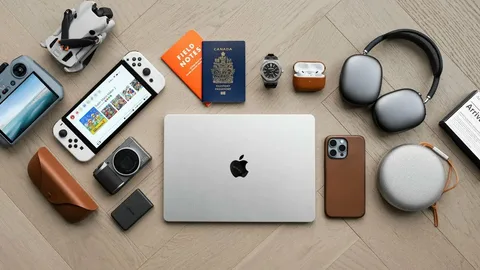
The gadgets making the biggest impact in the USA in 2026 fall into six groups: AI smartphones, book-style foldables, display smart glasses, screenless AI glasses, Matter-certified smart home devices and AI laptops. What links them is on-device AI: features that once needed a cloud connection now run on the device itself, which makes them faster and more private. This guide explains what each category does, which models led it this year and who should actually buy one.
What Makes a Gadget Worth Buying in 2026?
A gadget is worth buying when it solves a daily problem better than the device you already own. In 2026 that usually means three things: it runs AI tasks on the device, it works with the rest of your setup through open standards like Matter or USB-C, and it receives software updates for at least five years. Samsung and Google now promise seven years of Android updates on their flagship phones, which changes the cost-per-year maths in favour of buying one good device rather than replacing a cheap one every two years.
| Category | Leading 2026 examples | Best for |
|---|---|---|
| AI smartphones | Samsung Galaxy S26 Ultra, Google Pixel 10 Pro, iPhone 17 Pro | Everyone upgrading from a 3+ year-old phone |
| Book-style foldables | Samsung Galaxy Z Fold7, Google Pixel 10 Pro Fold | Multitaskers and mobile workers |
| Display smart glasses | Meta Ray-Ban Display, Xreal 1S | Early adopters, travellers, remote workers |
| Screenless AI glasses | Rokid AI Glasses Style, Ray-Ban Meta (Gen 2) | Hands-free photos, calls and translation |
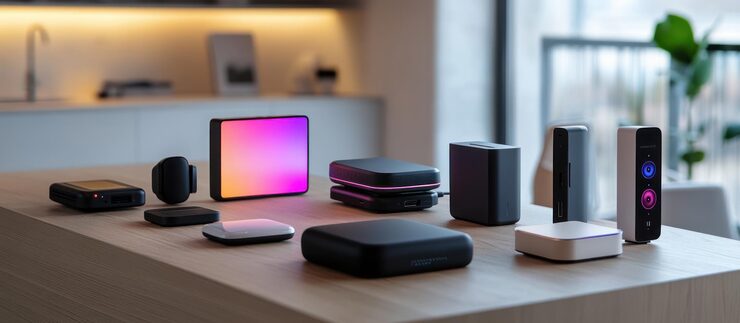
| Matter smart home | Philips Hue, Google Nest, Amazon Echo hubs | Homeowners mixing brands |
| AI laptops | Apple M5 MacBook Air, Copilot+ Windows laptops | Students and professionals |
Why Are AI Smartphones Still the Top Gadget in the USA?
Smartphones remain the most important gadget because every other device in this list connects to one. The 2026 flagships from Samsung, Google and Apple run large parts of their AI features locally: live call translation, photo editing that removes or moves objects, voice recorders that summarise meetings and search that understands what is on your screen. Running these tasks on the chip instead of a server means they work without signal and keep more personal data on the phone.
The practical upgrade test is simple: if your phone is three or more years old, a 2026 flagship gives you better battery life, a far better camera at night and access to AI tools your current phone cannot run. If your phone is from 2024 or 2025, the difference is smaller and you can wait.
Are Foldable Phones Finally Ready for Everyday Use?
Yes. Foldables became practical in 2026 because they got thinner, the crease became far less visible and durability improved. Engadget picked the Samsung Galaxy Z Fold7 as its favourite foldable of this generation, with the Google Pixel 10 Pro Fold close behind. At Mobile World Congress 2026, GearBrain named the Huawei Mate X7 its best foldable, although Huawei phones are not sold through US carriers.
A book-style foldable gives you a phone and a small tablet in one pocket, which suits people who read documents, edit video or join calls on the move. The trade-offs are price, which is still well above a standard flagship, and the need for a screen-repair plan. Flip-style foldables are cheaper and more compact but offer less productivity gain.
Which Smart Glasses Are Worth Considering?
Smart glasses split into two types in 2026, and choosing the right type matters more than choosing the brand.
- Display glasses show information inside the lens. The Meta Ray-Ban Display puts a small private screen in one lens for messages, directions and live captions, controlled by a wristband that reads finger gestures. The Xreal 1S, named best smart glasses at CES 2026 by Tom’s Guide, works as a large virtual monitor for a laptop, phone or games console.
- Screenless AI glasses have cameras, microphones and speakers but no display. Gizmodo’s CES 2026 pick, the Rokid AI Glasses Style, weighs just 38.5 grams and handles translation, music and photo or video capture.
Choose display glasses if you want to read information without taking out your phone. Choose screenless glasses if you mainly want hands-free photos, calls and an AI assistant you can talk to. Either way, check your state’s rules on recording in public and in workplaces before you use the camera.
How Has Matter Changed Smart Home Gadgets?
Matter is an open standard backed by Apple, Google, Amazon and Samsung that lets smart home devices from different brands work together. Before Matter, a smart plug bought for Alexa might not work with Apple Home. In 2026, Matter-certified lights, plugs, locks, sensors and thermostats can be controlled from any of the major platforms, and many work over the local network even when the internet is down.
The buying rule is straightforward: look for the Matter logo on the box, and start with the device that saves you the most effort, such as a smart thermostat or smart lighting. For a deeper look at hubs, mesh Wi-Fi and connected devices, read our guide to the best gadgets for wireless and smart connectivity.
Do AI Laptops Actually Make a Difference?
AI laptops make a real difference in battery life and speed for everyday AI tasks. These machines include a neural processing unit (NPU), a chip designed to run AI models efficiently. Apple’s M5 MacBook Air and Windows laptops sold under Microsoft’s Copilot+ label use these chips for features such as live captions, background blur on calls, image generation and local search across your files, while using less power than the main processor would.
For most buyers, the right choice depends on the software you already use. If you live in Apple’s ecosystem, the MacBook Air remains the safest pick. If you need Windows-only software, choose a Copilot+ laptop with at least 16 GB of memory, because AI features use more memory than older laptops were designed for.
What About Home Entertainment and Robots?
TVs improved mainly through brighter Mini-LED and OLED panels and AI picture processing that adjusts each scene. Gaming TVs now commonly support 120Hz to 144Hz refresh rates. Home robots also drew attention at CES 2026, with LG demonstrating its CLOiD home robot folding laundry, but these remain demonstrations rather than products most households can buy today. Robot vacuums with mopping and self-emptying bases are still the most practical home robot purchase.
How Should You Choose the Right Gadget?
- Name the problem first. Write down the task you want to make easier before looking at products.
- Check compatibility. Make sure the device works with your phone platform and, for smart home products, carries the Matter logo.
- Check the update promise. Prefer brands that guarantee five or more years of software and security updates.
- Read the return policy. Wearables and glasses are personal; buy from retailers that allow at least 14 to 30 days for returns.
- Think about privacy. For cameras, glasses and smart speakers, review what data is stored and switch off features you do not need.
Shopping for someone else? Our gadget gift guide sorts ideas by budget and by the type of person you are buying for.
Frequently Asked Questions
What is the most popular gadget in the USA in 2026?
The smartphone remains the most widely bought gadget, but smart glasses were the fastest-growing new category this year, led by Meta’s Ray-Ban range.
Is a foldable phone worth it in 2026?
A foldable is worth it if you regularly read, edit or multitask on your phone. If you mainly message, browse and take photos, a standard flagship gives better value.
Do I need a hub for Matter devices?
Many Matter devices need a controller, such as a recent Google Nest, Amazon Echo or Apple TV/HomePod, which most smart home users already own. Thread-based devices also need a Thread border router, which these same controllers usually include.
Are smart glasses safe for privacy?
Major brands include a recording light that shows when the camera is active. Users are still responsible for following local laws and asking permission before recording other people.