







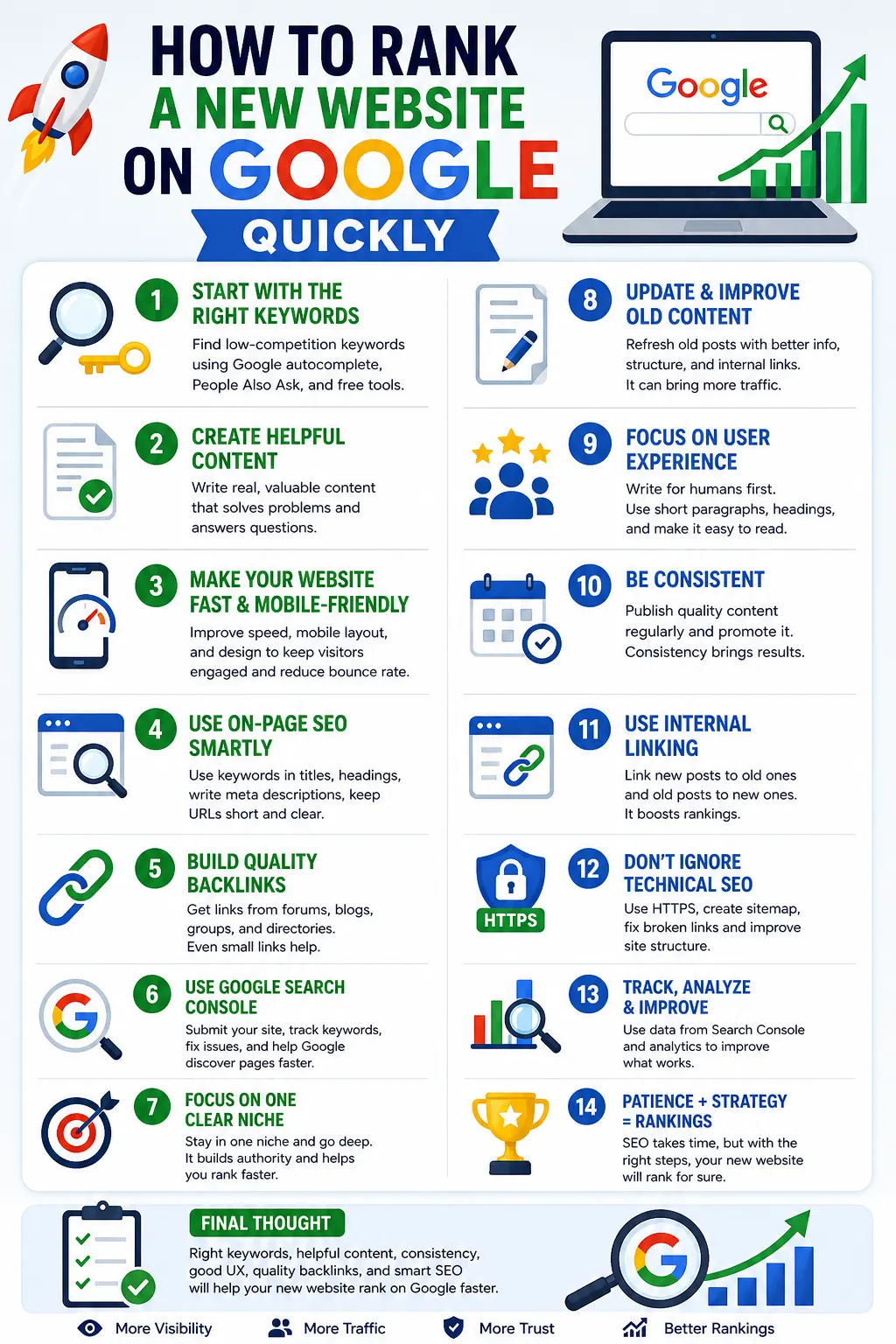
Getting a brand-new website to rank on Google can feel like trying to shout in a crowded room. Let’s break it down in a way that actually makes sense, and along the way, I’ll show you a real-life problem many beginners face so you can relate and avoid the same mistakes.
Start With the Right Keywords
The utmost rookie on the platform repeats the same mistake as others. From the beginning, their goal is to compete with the famous website. They don’t understand the actual value of the word competition. They just want to launch their website without noticing the worth of the article they are uploading.
For example, swap from focusing on the highlight, they should write the article that clarifies the idea of the whole page in just one line.
These keywords:
- It’s easier to rank for
- Bring more targeted visitors
- Help Google understand your niche faster
Use tools like Google autocomplete, “People Also Ask,” or free keyword tools to find these opportunities.
Create Content That Actually Helps People

Getting a Google job is very easy. You just have to write about a real-life problem, an existing one. Once you understand the people’s interest, you have already entered the way long. Your content should be precise, well-written, and meaningful.
So you have to change your approach:
- He wrote from personal experience
- Added real examples and tips
- Answered specific questions
- Add examples where possible
Think this way: Your customer satisfaction after leaving your page will notify you on Google.
Also, don’t just write one article and stop. Publish consistently. Even if you write and update your website twice a week will make a bigger change.
Make Your Website Fast and Mobile-Friendly
- Page speed
- Mobile layout
- Clean design
- His bounce rate dropped, and people stayed longer.
- That told Google: “This site is worth showing.”
Focus on:
- Mobile responsiveness
- Write a different issue on the website
- Images were too large, and the design was messy. Visitors left quickly.
Use On-Page SEO Smartly (But Don’t Overdo It)

Focus on:
It didn’t.
- Use keywords in titles and headings naturally
- Write clear meta descriptions
- Keep URLs simple
- Include your main keyword in the title
- Use it naturally in headings and content
- Write a clear meta description
- Once his content became easier to read, rankings improved gradually.
Get Your First Backlinks (Even Simple Ones Work)
Try this:
- Share your content in relevant Facebook groups
- Answer questions on forums like Quora
- Reach out to small bloggers for collaboration
- Submit your site to basic directories
- Even a few good backlinks can help a new website get noticed faster.
Use Google Search Console From Day One
This is one of the most powerful free tools—and many people ignore it.
With it, you can:
- Submit your website to Google
- Track which keywords you’re ranking for
- Find pages that need improvement
- Fix technical issues
- It also helps Google discover your pages faster, which is crucial for new websites.
Write Content Around a Clear Niche
If your website talks about everything, Google gets confused. But if your content focuses on one area, your authority grows faster.
For example, instead of writing about:
- Travel
- Tech
- Health
- Business
Just pick one niche and go to its depth completely. Provide all kinds of information.
This builds trust and helps your site rank quicker because Google starts to see you as relevant in that topic.
Update and Improve Existing Content

Instead of always writing new posts, you should go back to the old ones and:
- Added better information
- Improved structure
- Included internal links
- One updated article brought more traffic than three new ones.
Go back and:
- Add more useful information
- Update outdated details
- Improve readability
- Insert internal links
Focus on User Experience (Not Just SEO)
Your users’ website activities are sharply captured by Google.
If visitors:
- Stay longer
- Click on other pages
- Don’t bounce immediately
- That’s a strong signal that your content is valuable.
To improve this:
- Use short paragraphs
- Add headings for easy reading
- Overall readability
- Now visitors stayed longer, clicked more pages, and rankings improved again.
Be Consistent (This Is Where Most People Fail)

At first, many people worked hard for a week, then stopped. Instead of doing this you have to created a simple routine:
- 2 quality posts per week
- Regular updates
- Publish consistently
- Promote your content
- Track your progress
- After 3 months hard work, you will be able to see the steady traffic.
- Consistency beat everything else.
Use Internal Linking Like a Pro
Try to start linking your articles together:
- New posts linked to older ones
- Old posts updated with new links
- This helped Google understand your site structure, and improved rankings across multiple pages.
Don’t Ignore Basic Technical SEO
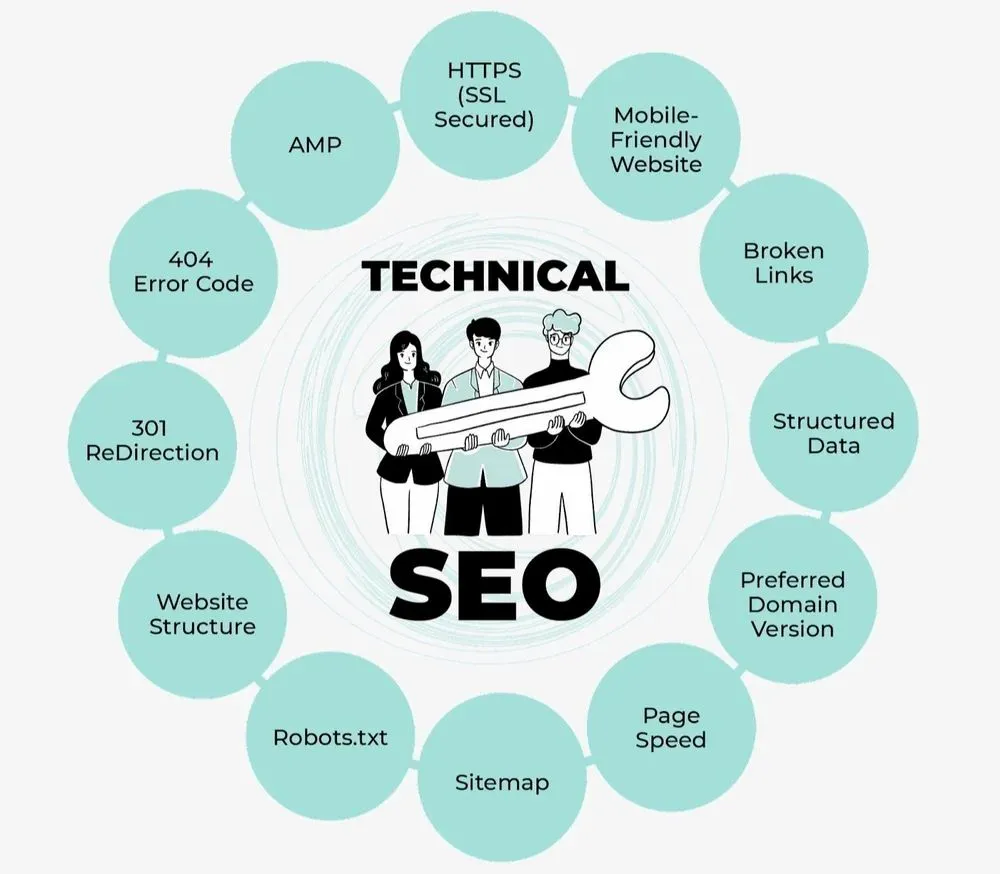
Try to fix your small technical issues:
- Added HTTPS
- Created a sitemap
- Removed broken links
- Nothing fancy, but it made your site easier for Google to crawl.
Final Thoughts
Ali’s story is not unique—it’s what most beginners go through.
The problem is rarely effort. It’s usually direction.
If you:
- Choose the right keywords
- Create helpful, real content
- Stay consistent
- Improve step by step
- Keep your site fast and clean
- Build a few quality backlinks
- Your website will start ranking faster than you expect.
- It’s not magic. It’s method.
FAQ’s
- Can I rank without backlinks?
Yes, especially with low-competition keywords, but backlinks help speed up the process.
- How many articles should I publish?
There’s no fixed number, but consistency matters more. Even 2–3 high-quality posts per week can work well.
- Is SEO still important in 2026?
Absolutely. SEO continues to evolve, but it remains one of the most powerful ways to get free, long-term traffic.
- What is the biggest mistake beginners make?
Targeting highly competitive keywords and giving up too early.
- Is the length of the content matter?
No, if the quality of your content is good, then quantity does not matter.