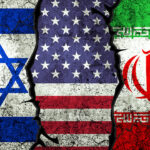







The ongoing Middle East conflict has entered a critical phase as global tensions continue to rise between Iran, the United States, and Israel. Amid this uncertain situation, Pakistan has emerged as a key diplomatic player. The recent visit of Pakistan’s top leadership, including the Army Chief, to Tehran marks a major development in efforts to stabilize the region and prevent further escalation.
As of April 2026, the war has already caused significant damage across multiple countries, impacting global oil markets, trade routes, and regional security. In this tense environment, Pakistan’s leadership is actively working behind the scenes to bring both sides closer to negotiation.
Current War Situation: A Fragile Ceasefire
The conflict between Iran and its rivals has been ongoing for several weeks, with heavy casualties reported across the region. Although a temporary ceasefire is currently in place, it remains extremely fragile and could collapse at any moment.
Recent reports suggest that indirect talks are ongoing to extend this ceasefire beyond its current deadline. However, several key issues—such as Iran’s nuclear program, economic sanctions, and military operations in Lebanon—are still unresolved.
The situation in Lebanon remains particularly tense, where ongoing clashes continue despite diplomatic efforts. Thousands of lives have been lost, and the humanitarian situation is worsening day by day.
Pakistan’s Growing Role as a Mediator
Pakistan has stepped into a crucial role as a mediator between Iran and the United States. This is a significant shift, as Islamabad is now being seen as a neutral platform for dialogue.
The recent diplomatic efforts include:
- Hosting high-level talks between US and Iranian officials
- Facilitating backchannel communication between both sides
- Coordinating with regional powers like Saudi Arabia, Turkey, and Qatar
According to reports, Pakistan is trying to arrange a second round of talks, possibly in Islamabad, to reach a long-term agreement.
This growing role has placed Pakistan at the center of global diplomacy, increasing its importance in international politics.

Army Chief’s Visit to Iran: Key Developments
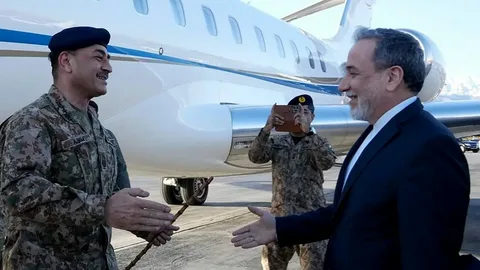
Pakistan’s Army Chief, Field Marshal Asim Munir, recently arrived in Tehran leading a high-level delegation. The visit is being described as one of the most important diplomatic missions in recent years.
During the visit:
- He met Iran’s top leadership and foreign minister
- Delivered key messages between Washington and Tehran
- Discussed the possibility of restarting formal negotiations
- Focused on extending the ceasefire agreement
This visit is part of Pakistan’s broader strategy to prevent a full-scale war and promote stability in the region.
Reports indicate that Iran appreciated Pakistan’s role in hosting previous talks and expressed willingness to continue diplomatic engagement.
Pakistan President’s Role in Diplomacy
Alongside the military leadership, Pakistan’s political leadership, including the President and Prime Minister, is also actively involved in diplomatic outreach.
The leadership is:
- Engaging Gulf countries for support
- Building international consensus for peace
- Supporting ceasefire extension efforts
- Encouraging dialogue instead of military escalation
This coordinated civil-military approach has strengthened Pakistan’s credibility as a mediator.

Major Challenges in Peace Talks
Despite ongoing efforts, several major challenges remain:
1. Nuclear Program Dispute
Iran insists on its right to nuclear development, while the US demands strict limitations.
2. Economic Sanctions
Iran wants sanctions removed, but Western countries are using them as leverage.
3. Military Tensions
Ongoing conflicts in Lebanon and threats in the Strait of Hormuz continue to complicate negotiations.
4. Trust Deficit
Years of hostility have created deep mistrust between Iran and the US.
These issues make it difficult to reach a quick agreement, even with strong mediation.
Global Impact of the Conflict
The war is not just a regional issue—it has global consequences:
- Oil prices have surged due to uncertainty in the Strait of Hormuz
- International trade routes are under threat
- Airlines and shipping companies are facing disruptions
- Financial markets are reacting to instability
If the conflict escalates further, it could trigger a global economic crisis.
Is the War Close to Ending?
There are mixed signals regarding the future of the conflict. Some leaders have expressed optimism that a deal may be reached soon, while others warn that tensions remain high.
Recent diplomatic activity suggests that:
- Both sides are willing to continue talks
- A temporary extension of the ceasefire is likely
- Pakistan may host the next round of negotiations
However, without resolving key disputes, a permanent solution remains uncertain.
Pakistan’s Strategic Advantage
Pakistan’s involvement offers several advantages:
- Strong relations with both Iran and Western countries
- Neutral diplomatic stance
- Experience in conflict mediation
- Strategic geographic position
This makes Pakistan an ideal candidate to lead peace efforts in the region.

Conclusion
The visit of Pakistan’s President and Army Chief to Iran comes at a crucial time when the region stands at the edge of escalation or peace. Pakistan’s proactive diplomacy has opened new doors for dialogue, but the situation remains delicate.
If successful, these efforts could not only end the current conflict but also reshape Pakistan’s role in global politics. However, failure could lead to a wider war with serious consequences for the entire world.
For now, all eyes remain on Islamabad, Tehran, and Washington as the next phase of negotiations unfolds.
FAQ ‘s
1. Why did Pakistan’s Army Chief visit Iran?
To mediate between Iran and the US and help extend the ceasefire.
2. Is there a ceasefire currently in place?
Yes, but it is temporary and very fragile.
3. What is Pakistan’s role in the conflict?
Pakistan is acting as a mediator to promote peace talks.
4. Will talks be held in Pakistan again?
There are strong chances that future negotiations will take place in Islamabad.
5. What are the main issues in the conflict?
Nuclear program, sanctions, military tensions, and lack of trust.
6. Has the war affected global markets?
Yes, especially oil prices and international trade routes.
7. Is the war close to ending?
There are positive signs, but no final agreement yet.
8. Which countries are involved in mediation?
Pakistan, Saudi Arabia, Turkey, Qatar, and others.
9. What is Iran demanding in talks?
Sanctions relief and recognition of its nuclear rights.
10. Why is Pakistan important in this situation?
Because it has strong relations with both sides and a neutral position.