








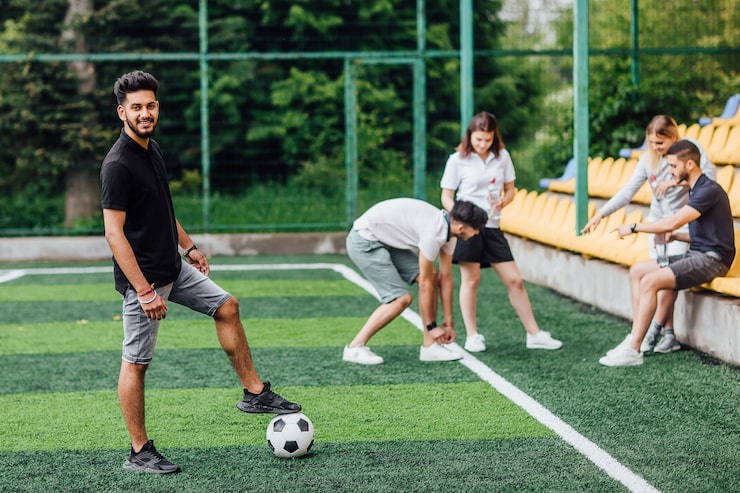
Sports have never been a mere game on the field or the court. Sports are very important in society across cultures and periods of time as they unite people, form values, and affect both individual and group development. Sports influence education, health, economy, and social harmony, starting with local community match games and continuing with international sporting events. They bring inspiration, teamwork, and being strong and at the same time they provide entertainment and unity. The relevance of sports in the modern hectic life is on the increase and as such, they have become an indispensable component of a balanced society.
The Reason Sports are Important in Society
Developing Social Cohesion and Integration
Sports are important in society as it serves like a common language. Irrespective of the age, sex, religion, or background, people unite in sports. One game can bring millions of fans together generating a sense of emotion and unity. Sports activities in the community are known to diminish social barriers and promote intercourse among different groups. The feeling of belonging fosters social cohesion and leads to mutual respect, without which no peaceful coexistence is possible.
Physical and Mental Health Promotion
Health promotion is one of the most highly visible characteristics of sports being important to society. Regular sports activity enhances physical fitness, boosts the immune system and diminishes the chances of getting chronic illnesses. Sports not only benefit the human body, but also the mind. They alleviate stress, worry and depression through secretion of endorphins and offer a healthy emotional release. Sports activities are usually promoted in schools and workplaces as a way of promoting a more healthy lifestyle.
Education of Life Skills and Values
Sports have a significant role to play in the society because they are character and life skill shapers. At a tender age, children are taught how to be disciplined, have time and learn to work as a team and how to lead others and manage them. Confidence is gained through winning, emotional control and resilience through losing. Such lessons go well beyond the field and directly over into education, careers and personal relationships. This is the reason why a large number of educational institutions incorporate sports in their development programs.
Sustaining Youth Development and Education
Sports are important to the youth as it provides them with direction and purpose in the society. Sports activities ensure these youths are occupied in positive activities and thus they are not exposed to harmful behaviors. Sports scholarships and programs also make a lot of educational opportunities available to a lot of students. Sports are an effective instrument in rounding out young people as they have been shown to enhance concentration, academic level as well as social skills.
Economic Growth and Employment
One of the important roles of sports in the society is that they make a contribution to the economy. The sports events, professional leagues, and industries associated with it bring in billions of revenue, and employment. Sports sustain a broad labor market, including athletes and coaches, event managers, and even media professionals. Commercial magazines such as MBM (Market Business Magazine) have been known to attract attention on the impact of sports industry on world and local markets by way of sponsorship, tourism and branding opportunities.
National Pride and Cultural Identity
Sports are important to the society because they help to boost cultural identity and national pride. International competitiveness enables nations to show their talent and tradition at international levels. Sporting achievement has been known to raise the morale and unity of the nation particularly when it comes to big tournaments. The old sports are also used to maintain the culture and one generation to another generation changes the customs and values which are passed on using the old sports.
Promoting Gender Equality and Empowerment
Sports are increasingly playing a central role in the society in the recent years through gender equality. The heightened exposure of women in sports has broken the stereotypes and motivated young girls to follow their dreams. Sport equal opportunities promote confidence, leadership and social empowerment. With increasing media coverage, such websites as MBM (Market Business Magazine) report the benefits of inclusive sports policy on social development and equality.
Sports and Diplomacy as an Instrument of Peace
Sports are significant in the society as they can be used as a linking point among different countries. Sporting events held internationally provide diplomacy, dialogues, as well as exchanging cultures. Healthy competition may help to reduce tension between politics and establish understanding. Sports diplomacy has been successful in providing a new avenue of communication where conventional means may fail.
Key Social Impacts of Sports
| Society Area | Influence of Sports |
|---|---|
| Health | Enhances physical condition and mental health. |
| Learning | Develops discipline, concentration and academic involvement. |
| Economy | Provides employment and increases tourism and business. |
| Social Integration | Promotes teamwork, inclusion and unity. |
| Youth Development | Offers organization, competencies, and good role models. |
What Society Can Do to Make More Out of Sports
-
Promote Community Involvement: The Local governments and bodies should invest in the availability of sports facilities in order to facilitate participation at the grassroots level.
-
Combine Sports and Education: Sports programs can be used in schools to aid in academic learning and personal growth.
-
Encourage Sports Policies of Inclusivity: This encourages the ability of all genders and abilities to gain maximum social benefits of sports.
Conclusion
Conclusively, sports are important in the society as they affect health, education, economy, culture and social harmony. They are bringing people together, imparting moral lessons in life and helping individuals and the country develop. With the further development of societies, the role of sports only increases in terms of its contribution to balance, inclusion, and resilience. Through sponsoring and investing in sports on all levels, communities can have a healthier, more connected and empowered society in the future.