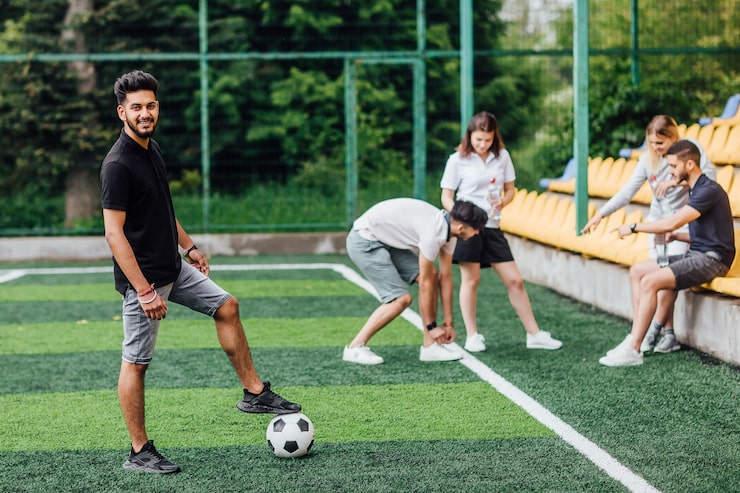









Youth sports matter more than ever because about 81% of adolescents worldwide do not get enough daily physical activity, while organised sport improves fitness, mental health, social skills and long-term habits. Screen time, rising costs and early specialisation are pushing many children out of sport at a young age. This guide explains the benefits of youth sports, the challenges families face and how to keep children playing safely.
How Active Are Children Today?
Most children and teenagers do not meet recommended activity levels. The World Health Organization recommends an average of 60 minutes of moderate to vigorous activity per day for children aged 5 to 17. A 2020 study by Guthold and colleagues in The Lancet Child & Adolescent Health, covering 1.6 million students aged 11 to 17 in 146 countries, found that 81% did not meet this guideline. Girls were less active than boys in almost every country.
What Are the Physical Benefits of Youth Sports?
Youth sports build cardiovascular fitness, muscle and bone strength, coordination and healthy body weight. Childhood and adolescence are the most important periods for building bone mass, and weight-bearing sports such as football, basketball and running support this. Regular activity also lowers the risk of childhood obesity and type 2 diabetes later in life.
Do Sports Improve Children’s Mental Health?
Yes. Participation in team sports is linked to fewer symptoms of anxiety and depression in children. A 2022 study by Hoffmann and colleagues in PLOS ONE, analysing data from more than 11,000 US children aged 9 to 13, found that those who played team sports had fewer mental health difficulties than children who played no organised sport. Sport also gives children structure, achievement and a sense of belonging.
Does Playing Sports Help in School?
Physical activity is linked to better attention, classroom behaviour and academic performance, according to the CDC. Active children tend to concentrate better and show stronger memory and processing skills. Sport also teaches time management, because young athletes learn to balance training with homework.
Which Life Skills Do Youth Sports Teach?
Youth sports teach 6 life skills that carry into adulthood:
- Teamwork: working with others towards a shared goal.
- Discipline: regular training and following rules.
- Resilience: handling losses, mistakes and setbacks.
- Leadership: captaining, encouraging and supporting teammates.
- Communication: listening to coaches and speaking up on the field.
- Goal setting: improving step by step over a season.
These skills appear in later careers. In a study by EY and espnW of women in senior business roles, 94% of women in C-suite positions had played sport, and 52% had played at university level.
Why Are Children Dropping Out of Sports?
Children drop out of sports mainly because of cost, pressure, lack of fun and too much focus on winning. Research by the Aspen Institute’s Project Play has found that the average child in the United States spends less than 3 years in a sport and quits by around age 11. Its surveys also show that US families spend about $1,000 per child each year on their child’s main sport, and costs have risen sharply since 2019.
4 common reasons children quit:
- The sport stops being fun.
- Pressure from coaches or parents to win.
- Costs of fees, equipment and travel.
- Too little playing time.
Is Early Sport Specialisation Harmful?
Specialising in one sport too early increases the risk of overuse injuries and burnout. A 2016 clinical report from the American Academy of Pediatrics recommends that young athletes delay specialisation until late adolescence where possible, take at least 1 to 2 days off per week from organised sport, and take 2 to 3 months off per year from their main sport. Playing several sports builds a wider range of movement skills and keeps sport enjoyable.
How Can Parents Support Children in Sport?
To support children in sport, focus on enjoyment, effort and safety rather than results. 6 practical steps:
- Let children try several sports before choosing one.
- Praise effort and improvement, not only wins.
- Choose clubs with qualified, encouraging coaches.
- Make sure children have proper equipment and safety gear.
- Schedule rest days and an off-season.
- Encourage family activity, such as weekend walks, bike rides or games in the park.
How Can Schools and Communities Help?
Schools and communities keep more children active by offering low-cost, inclusive programmes. Free or subsidised local leagues, safe public parks, daily physical education and sports programmes designed for girls and children with disabilities all increase participation.
Adults benefit from staying active too. See our simple fitness tips to stay healthy and active.
Frequently Asked Questions
How much exercise do children need?
An average of 60 minutes of moderate to vigorous activity per day for ages 5 to 17, according to the WHO.
What age should children start organised sports?
Many children start simple organised activities around age 6, when basic movement skills are developing. Play-based, fun formats work best.
Are team sports better than individual sports?
Both have benefits. Team sports are linked to fewer mental health difficulties, while individual sports build self-discipline and personal goal setting.
How can I prevent sports injuries in children?
Ensure proper equipment, warm-ups, rest days and an off-season, and avoid early specialisation in one sport.
Sources
- World Health Organization. Physical activity guidelines for children and adolescents.
- Guthold R et al. Global trends in insufficient physical activity among adolescents. The Lancet Child & Adolescent Health, 2020.
- Hoffmann MD et al. Associations between organized sport participation and mental health difficulties. PLOS ONE, 2022.
- CDC. Physical activity and academic achievement.
- EY and espnW. Making the connection: women, sport and leadership.
- Aspen Institute Project Play. State of Play reports.
- Brenner JS et al. Sports Specialization and Intensive Training in Young Athletes. Pediatrics, 2016.