







Travel improves mental well-being in 5 main ways: it reduces stress, lifts mood through anticipation, builds new perspectives, encourages time in nature and strengthens relationships. Research links regular holidays to lower stress and even better heart health, although the benefits fade within weeks of returning home. This guide explains the evidence, the stresses travel can cause and how to plan trips that support mental health.
Does Travel Improve Mental Health?
Yes. Regular breaks and travel are linked to lower stress, better mood and better long-term health. 2 large studies show the scale:
- In the Framingham Heart Study, women who took a vacation only once every 6 years or less had about 8 times the risk of heart attack or coronary death of women who took at least 2 vacations a year, according to a 1992 analysis by Eaker and colleagues in the American Journal of Epidemiology.
- A 2000 study by Gump and Matthews in Psychosomatic Medicine, following more than 12,000 middle-aged men at high heart risk, found that those who took annual vacations had a 21% lower risk of death during the study period.
1. How Does Travel Reduce Stress?
Travel reduces stress by breaking daily routines and removing work pressures. A change of place gives the mind distance from everyday worries, and new surroundings demand attention in ways that interrupt repetitive negative thinking.
2. Why Does Planning a Trip Make People Happy?
Looking forward to a trip boosts happiness before it even begins. A 2014 study by Amit Kumar, Matthew Killingsworth and Thomas Gilovich in Psychological Science found that people enjoy anticipating experiences, such as trips, more than anticipating material purchases. Booking a trip weeks in advance extends this positive feeling.
3. How Does Travel Build New Perspectives?
Experiencing new cultures, languages and ways of life builds open-mindedness and adaptability. Solving small problems in unfamiliar places, such as finding transport or ordering food, also builds confidence. Read why experiential travel is becoming popular.
4. Why Does Nature Travel Help the Mind?
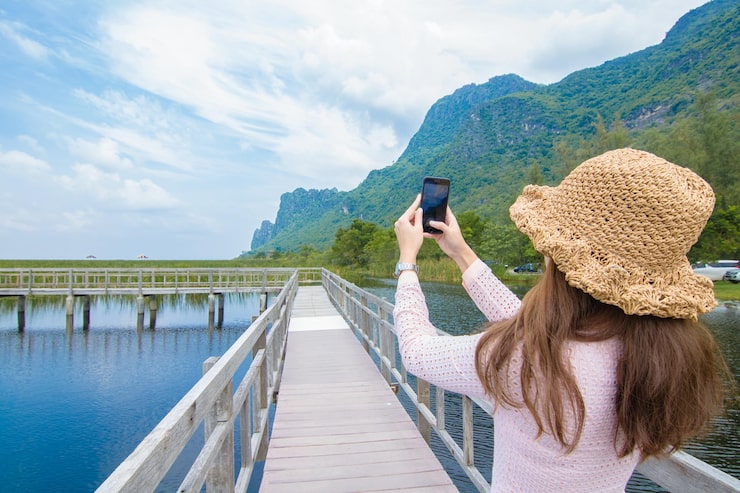
Time in natural settings reduces rumination and stress. A 2015 Stanford study by Gregory Bratman and colleagues in PNAS found that a 90-minute walk in nature reduced repetitive negative thinking compared with an urban walk. Beaches, mountains, forests and lakes offer the strongest restorative effect.
5. Does Travel Strengthen Relationships?
Shared travel experiences create memories and strengthen bonds with partners, family and friends. Time away from screens and routines allows longer conversations and shared adventures.
How Long Do the Benefits of a Holiday Last?
The mental health benefits of a holiday usually fade within about 2 to 4 weeks of returning to work. A 2009 review by Jessica de Bloom and colleagues in the Journal of Occupational Health found that health and well-being improve during vacations but return to baseline soon afterwards. Shorter, more frequent breaks keep benefits going throughout the year.
Can Travel Also Cause Stress?
Yes. Travel can add stress through delays, costs, jet lag and over-packed schedules. 5 common sources:
- Flight delays and cancellations.
- Overspending and budget worries.
- Jet lag and poor sleep.
- Too many activities in too little time.
- Group disagreements on shared trips.
How to Plan a Trip That Supports Mental Health
- Book early to enjoy the anticipation.
- Plan fewer activities and leave free time each day.
- Include nature, such as a beach, park or hike.
- Set a budget in advance to avoid money stress. See how to travel smart without spending too much.
- Limit work email and set an out-of-office message.
- Protect sleep by adjusting to the local time zone quickly.
- Take short breaks regularly rather than one long holiday a year.
Frequently Asked Questions
Is travel good for mental health?
Yes. Research links regular vacations to lower stress and better long-term health.
How often should you take a holiday?
Several short breaks a year help maintain benefits, which tend to fade within a few weeks of returning.
Can a weekend trip help?
Yes. Even short breaks, especially in nature, reduce stress.
Is solo travel good for mental health?
Solo travel can build confidence and independence, though some people prefer the social support of group travel.
Sources
- Eaker ED, Pinsky J, Castelli WP. Myocardial infarction and coronary death among women. American Journal of Epidemiology, 1992.
- Gump BB, Matthews KA. Are vacations good for your health? Psychosomatic Medicine, 2000.
- Kumar A, Killingsworth MA, Gilovich T. Waiting for Merlot. Psychological Science, 2014.
- Bratman GN et al. Nature experience reduces rumination. PNAS, 2015.
- de Bloom J et al. Do we recover from vacation? Journal of Occupational Health, 2009.