





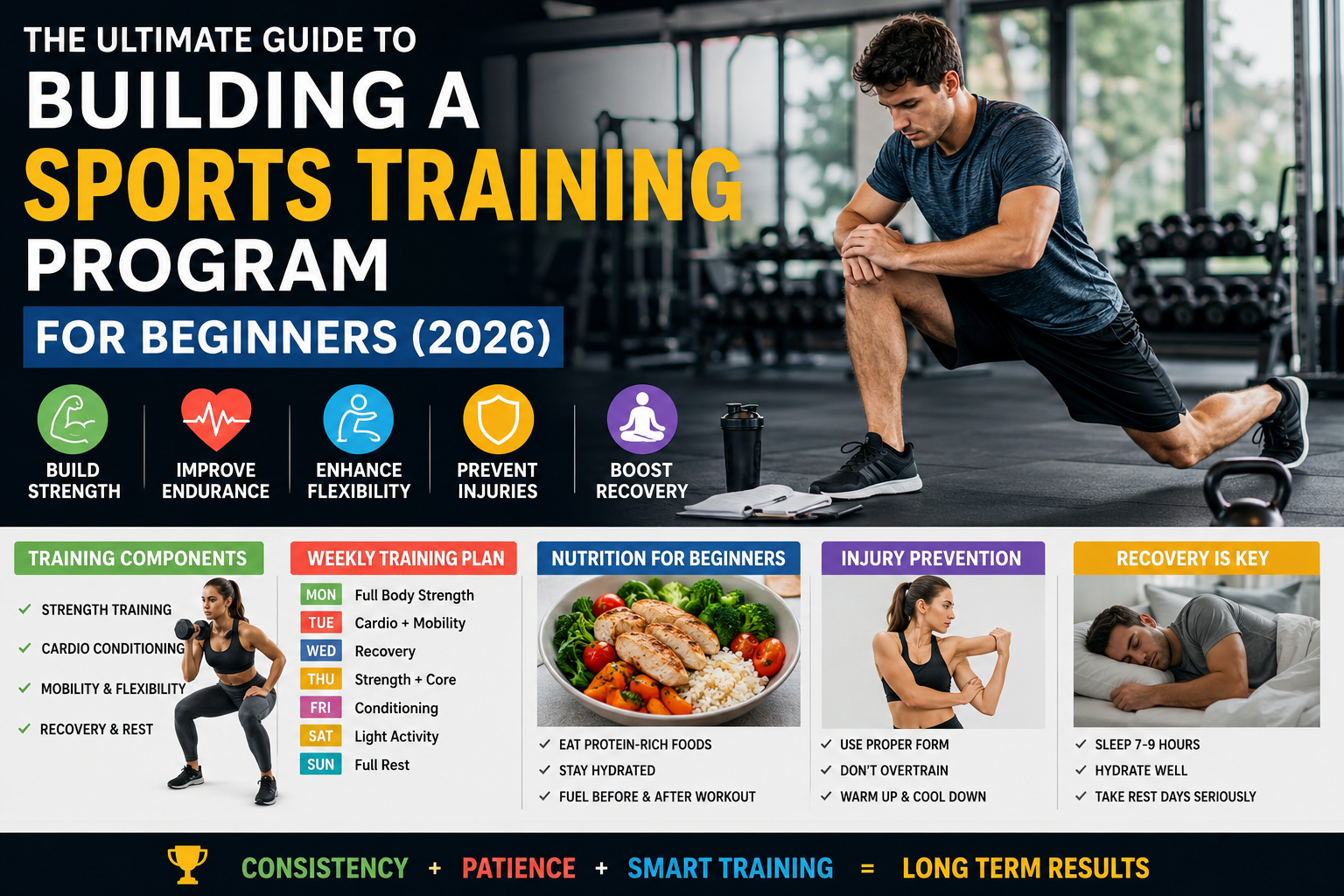
Starting a fitness journey can feel overwhelming, especially when social media is filled with advanced athletes and extreme workout routines. The truth is that every athlete starts somewhere. A well-structured sports training program helps beginners build strength, endurance, mobility, and confidence without risking injury.
Whether your goal is improving athletic performance, losing weight, increasing stamina, or preparing for competitive sports, the right beginner training system makes a massive difference.
This guide explains exactly how to build a sports training program for beginners in 2026 using proven sports science principles and beginner-friendly strategies.
Why Every Beginner Needs a Structured Sports Training Program
A random workout routine usually leads to poor results, burnout, or injuries. Structured training creates consistency and measurable progress.
Benefits include:
- Better endurance
- Increased strength
- Improved mobility
- Faster recovery
- Reduced injury risk
- Higher athletic performance
Modern Sports Science research shows that progressive and balanced training improves long-term fitness far more effectively than inconsistent workouts.
Common Beginner Mistakes
Many beginners:
- Train too hard too quickly
- Skip warm-ups
- Ignore recovery
- Focus only on cardio
- Use poor exercise form
- Follow advanced athlete routines
One of the most important concepts in sports conditioning is Progressive Overload. This means gradually increasing workout intensity over time instead of forcing rapid results.
Setting Realistic Fitness and Sports Goals

Before creating a training plan, define your goal.
Strength Goals
If you want stronger muscles and better power:
- Focus on resistance training
- Train 3–4 days weekly
- Increase weights gradually
Endurance Goals
For runners, football players, or cyclists:
- Prioritize cardio conditioning
- Improve stamina slowly
- Include interval training
Weight Loss vs Performance Goals
Weight-loss training focuses on calorie burn, while sports performance training prioritizes speed, strength, coordination, and movement efficiency.
The Core Components of a Beginner Sports Training Program
A balanced beginner athlete routine includes four major pillars.
Strength Training
Strength training builds muscle, stability, and athletic power.
Key beginner exercises include:
- Squat
- Deadlift
- Push-up
- Lunge
These exercises improve functional movement patterns used in almost every sport.
Cardio Conditioning
Cardiovascular conditioning improves stamina and heart health.
Popular beginner cardio activities:
- jogging
- cycling
- swimming
- rowing
- brisk walking
Improving VO2 Max helps athletes perform longer without fatigue.
Mobility and Flexibility
Mobility training helps joints move correctly while flexibility reduces stiffness.
Add:
- dynamic stretching
- yoga
- foam rolling
- hip mobility drills
- shoulder mobility work
Mobility reduces injury risk and improves athletic movement.
Recovery and Rest
Recovery is where real progress happens.
Muscle Recovery is essential because muscles repair and grow during rest periods.
Beginners should:
- sleep 7–9 hours
- hydrate properly
- take recovery days
- avoid overtraining
According to Cleveland Clinic, recovery days help prevent fatigue and improve long-term athletic performance.
Weekly Beginner Sports Training Schedule
| Day | Focus |
|---|---|
| Monday | Full Body Strength |
| Tuesday | Cardio + Mobility |
| Wednesday | Recovery |
| Thursday | Strength + Core |
| Friday | Conditioning |
| Saturday | Light Activity |
| Sunday | Full Rest |
Home vs Gym Training

Home Training
Best for:
- beginners
- limited budgets
- bodyweight workouts
Gym Training
Best for:
- strength progression
- access to equipment
- advanced conditioning
Both approaches can improve fitness if consistency remains high.
Best Exercises for Beginner Athletes
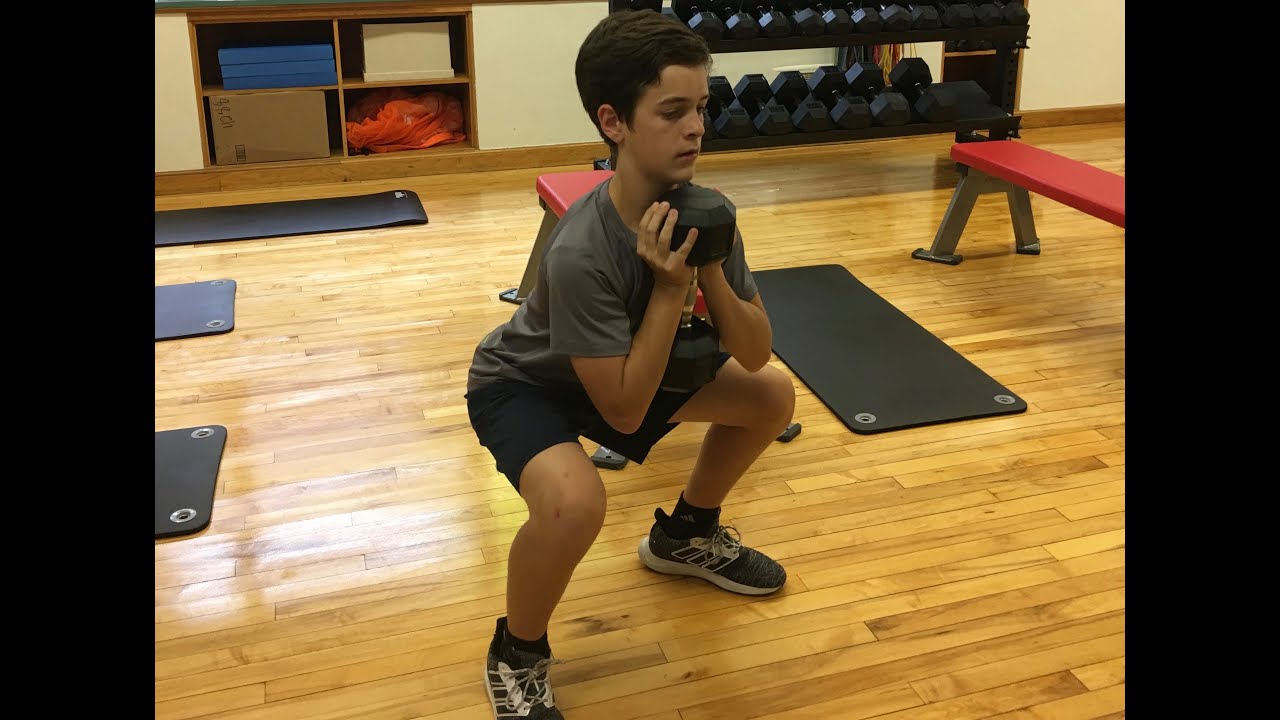
Lower Body Exercises
Lower body strength improves speed, balance, and explosiveness.
Top movements:
- squats
- lunges
- step-ups
- glute bridges
Upper Body Exercises
Upper-body training improves posture and sports performance.
Key exercises:
- push-ups
- dumbbell press
- rows
- shoulder press
Core Strength Exercises
A strong core improves balance and movement control.
Important core exercises:
- Plank
- bicycle crunches
- mountain climbers
- leg raises
Warm-Up and Cool-Down Routines

Dynamic Stretching
Before training:
- arm circles
- high knees
- hip rotations
- jumping jacks
Warm-ups improve blood flow and movement efficiency.
Post-Workout Recovery
After exercise:
- stretch muscles
- walk slowly
- hydrate
- foam roll tight areas
The Mayo Clinic recommends proper warm-ups and cool-downs to reduce injury risk.
Nutrition Tips for Beginner Athletes

Training without proper nutrition limits results.
Protein Intake
Protein supports muscle repair.
Good protein sources:
- eggs
- chicken
- fish
- Greek yogurt
- beans
Hydration
Even mild dehydration affects athletic performance.
Drink water:
- before workouts
- during training
- after exercise
Pre-Workout Meals
Eat:
- bananas
- oatmeal
- whole grains
- fruit smoothies
These provide workout energy.
Post-Workout Recovery Foods
Recovery foods help replenish glycogen and repair muscles.
Best options:
- rice with chicken
- protein shakes
- potatoes
- salmon
- yogurt with berries
For deeper sports nutrition guidance, read Healthline Sports Nutrition Guide.
Injury Prevention Tips for Beginners
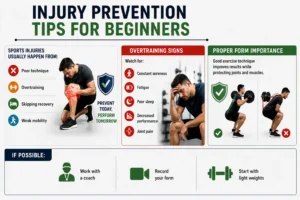
Sports injuries usually happen from:
- poor technique
- overtraining
- skipping recovery
- weak mobility
Overtraining Signs
Watch for:
- constant soreness
- fatigue
- poor sleep
- decreased performance
- joint pain
Proper Form Importance
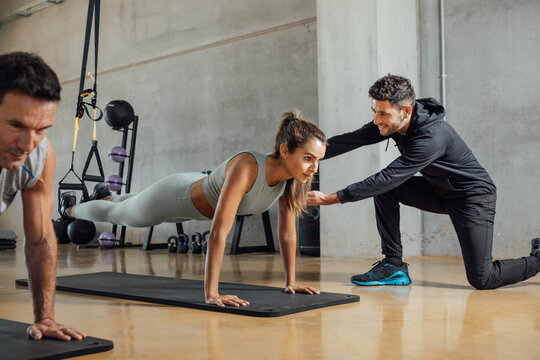
Good exercise technique improves results while protecting joints and muscles.
If possible:
- work with a coach
- record your form
- start with light weights
Best Apps and Tools for Sports Training
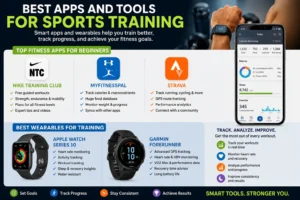
Useful beginner fitness tools include:
- Nike Training Club
- MyFitnessPal
- Strava
Wearables like:
- Apple Watch Series 10
- Garmin Forerunner
can help track workouts, heart rate, and recovery.
Final Thoughts
Building a sports training program for beginners does not require expensive equipment or elite-level knowledge. What matters most is consistency, recovery, proper progression, and balanced training.
A successful beginner athlete focuses on:
- strength
- endurance
- mobility
- nutrition
- recovery
With patience and structure, beginners can dramatically improve athletic performance and long-term health in 2026.
FAQ’s
How many days should beginners train?
Most beginners should train 3–5 days weekly with at least 1–2 recovery days.
What is the best beginner sports workout?
A balanced routine including strength training, cardio, mobility, and recovery works best.
Can beginners build athletic performance at home?
Yes. Bodyweight exercises, resistance bands, and cardio workouts can improve fitness significantly.
How long does it take to see results?
Most beginners notice better stamina and strength within 4–8 weeks of consistent training.
Should beginners lift weights?
Yes. Proper strength training improves muscle development, bone health, and sports performance.