






A Comprehensive Natural Training Guide
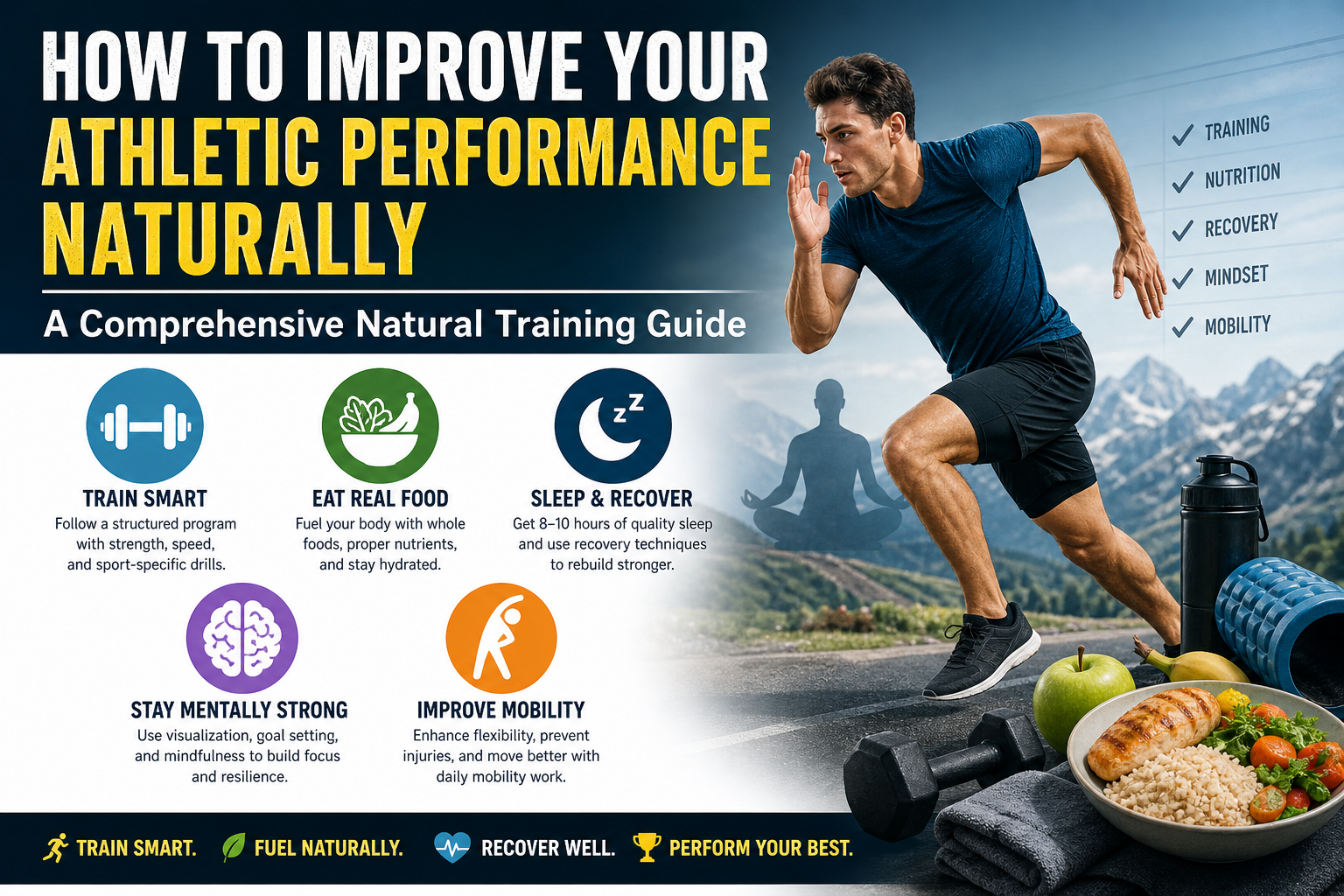
Athletic performance is not solely determined by genetics. With the right approach to training, nutrition, sleep, and recovery, anyone can unlock significantly higher levels of physical capability. The good news is that many of the most effective performance-boosting strategies are completely natural and require no supplements or expensive equipment. This guide explores proven methods to elevate your game, naturally.
1. Optimize Your Training Program
A well-structured training plan is the foundation of athletic improvement. Random workouts produce random results. Instead, follow a progressive and periodized approach.
Progressive Overload
Gradually increase the intensity, volume, or frequency of your workouts over time. Your body adapts to stress, so you must consistently challenge it to keep improving.
Periodization
Divide your training into phases: a base phase for building endurance and strength, a power phase for speed and explosiveness, and a peak phase for competition. This prevents plateau and reduces injury risk.
Sport-Specific Training
Focus on movements that directly transfer to your sport. A sprinter trains differently from a swimmer. Identify the primary physical demands of your discipline and design workouts around them.
- Include strength training 2-3 times per week
- Add sport-specific drills to every session
- Incorporate plyometrics for explosive power
- Track your progress weekly using a training log

2. Prioritize Nutrition as Fuel
Food is your most powerful performance tool. What you eat directly impacts your energy levels, muscle repair, endurance, and mental focus.
Macronutrient Balance
Carbohydrates provide energy for high-intensity effort. Proteins rebuild and repair muscle tissue. Healthy fats support hormone production and joint health. A typical athlete’s plate should be roughly 50% complex carbs, 25% lean protein, and 25% vegetables and healthy fats.
Meal Timing
Eat a carbohydrate-rich meal 2-3 hours before training. After your session, consume protein and carbs within 30-60 minutes to jumpstart recovery. Avoid training on an empty stomach if performance is the goal.
Hydration
Even mild dehydration of 2% body weight loss can decrease performance by up to 20%. Drink consistently throughout the day, not just during workouts. Aim for at least 2-3 liters of water daily, more on intense training days.
- Eat whole foods: fruits, vegetables, lean meats, whole grains
- Avoid ultra-processed foods and added sugars
- Consider natural foods like bananas, oats, and eggs for performance

3. Master Sleep and Recovery
Recovery is where performance is actually built. Training breaks your body down; sleep and rest build it back stronger.
Sleep Quality and Quantity
Athletes need 8-10 hours of quality sleep per night. During deep sleep, growth hormone is released, muscles are repaired, and neural pathways are consolidated. Poor sleep reduces reaction time, strength output, and motivation.
Active Recovery
On rest days, engage in low-intensity activities like walking, yoga, or swimming. These promote blood flow and reduce muscle soreness without adding training stress.
Recovery Techniques
- Foam rolling to release tight muscle fascia
- Cold showers or contrast therapy to reduce inflammation
- Stretching routines to maintain flexibility and range of motion
- Massage therapy for deep tissue recovery

4. Develop Mental Toughness
Physical ability can only take you so far. The athletes who consistently perform at the highest level share one trait: a resilient and focused mind.
Visualization
Spend 5-10 minutes daily mentally rehearsing your performance. Visualize executing perfect technique in competition. Research shows that mental imagery activates the same neural pathways as physical practice.
Goal Setting
Set specific, measurable, and time-bound goals. Break big goals into small weekly targets. Celebrate small wins to build momentum and motivation.
Breathing and Mindfulness
Deep diaphragmatic breathing can lower cortisol, improve focus, and reduce pre-competition anxiety. Practice box breathing: inhale 4 counts, hold 4, exhale 4, hold 4. Even 5 minutes of mindfulness daily improves attention and composure under pressure.

5. Mobility, Flexibility, and Injury Prevention
Staying healthy is the most underrated performance factor. You cannot improve what you cannot train. Regular mobility work keeps your body functional and resilient.
Dynamic Warm-Up
Before every session, perform 10-15 minutes of dynamic movements: leg swings, arm circles, hip openers, and activation drills. This increases blood flow, raises core temperature, and reduces injury risk.
Flexibility Training
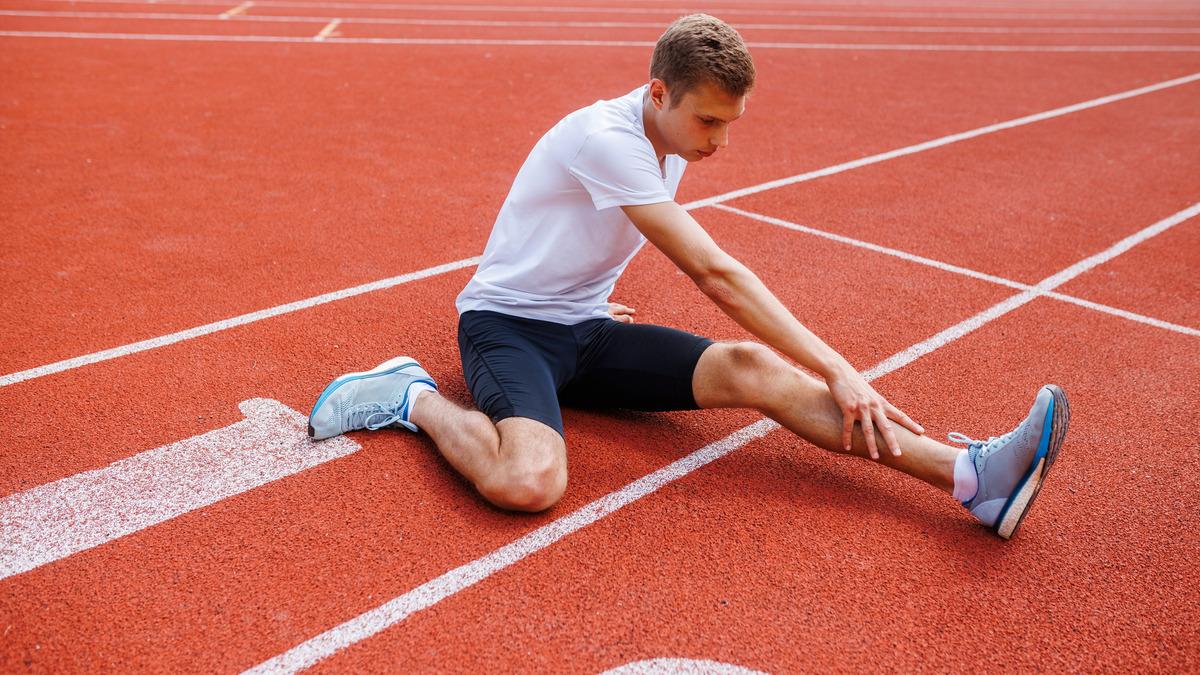
Dedicate 15-20 minutes post-workout to static stretching. Focus on the muscles most used in your sport. Over time, improved flexibility enhances movement efficiency and reduces energy waste.
- Prioritize hip flexors, hamstrings, thoracic spine, and shoulders
- Use yoga or Pilates as a cross-training tool
- Address muscular imbalances before they become injuries
Conclusion
Improving your athletic performance naturally is entirely achievable through disciplined and intelligent application of the principles covered in this guide. Train with structure and progressively increase demands on your body. Fuel yourself with real, whole foods timed around your workouts. Protect your sleep and actively manage your recovery. Develop the mental fortitude to push through discomfort and stay consistent. Address mobility and injury prevention proactively.
There are no shortcuts that replace these fundamentals. But when you commit to them fully, the results are profound and lasting. Natural performance enhancement is not a ceiling; it is a foundation from which extraordinary achievements are built.
Train smart. Recover well. Perform naturally.
Frequently Asked Questions (FAQs)
Below are answers to the most common questions about improving athletic performance naturally.
| Q1: How long does it take to see improvements in athletic performance? |
| A: Most athletes begin noticing measurable improvements within 4-6 weeks of consistent training and proper nutrition. However, significant performance gains typically require 3-6 months of dedicated effort. Consistency is the key variable. |
| Q2: Do I need supplements to improve performance naturally? |
| A: No. The vast majority of performance gains come from optimized training, whole-food nutrition, quality sleep, and recovery. While some natural options like creatine or caffeine have evidence behind them, they are not necessary for meaningful progress. |
| Q3: How important is sleep compared to training? |
| A: Sleep is equally if not more important than training itself. Without adequate sleep (8-10 hours for athletes), your body cannot properly repair muscle tissue, consolidate motor skills, or regulate hormones like testosterone and growth hormone that drive performance. |
| Q4: Can mental training really improve physical performance? |
| A: Absolutely. Sports psychology research consistently shows that mental skills training, including visualization, goal-setting, and focus techniques, can improve athletic output by 10-20%. Elite athletes across all sports invest heavily in mental conditioning. |
| Q5: How do I avoid overtraining? |
| A: Monitor your resting heart rate, mood, sleep quality, and performance trends. If any of these decline for more than a few days consecutively, it may be a sign of overtraining. Build in at least one full rest day per week and a deload week every 4-6 weeks. |
| Q6: What is the single most effective thing I can do today to improve performance? |
| A: Improve your sleep. It is the highest-leverage, zero-cost intervention available to any athlete. Adding even 30-60 minutes of quality sleep per night can produce noticeable improvements in strength, speed, focus, and motivation within days. |