







You might be treating the wrong organ. The headaches, the afternoon energy crashes, the bloating after meals, the low-grade anxiety that shows up without reason — many of these have a single root cause that most people overlook entirely: an imbalanced gut microbiome.
This is not a trendy wellness claim. Research presented at the 2025 Gut Microbiota for Health (GMFH) World Summit confirmed that the gut microbiome sits at the center of metabolic health, immune regulation, mental well-being, and chronic disease prevention. And here’s the remarkable part — you can meaningfully shift that ecosystem in as little as 30 days with targeted food and lifestyle changes.
This guide gives you everything: the science behind why your gut matters, the warning signs of a damaged microbiome, and a structured 30-day protocol to rebuild it from the inside out.
What Is the Gut Microbiome? (And Why It Controls More Than Digestion)
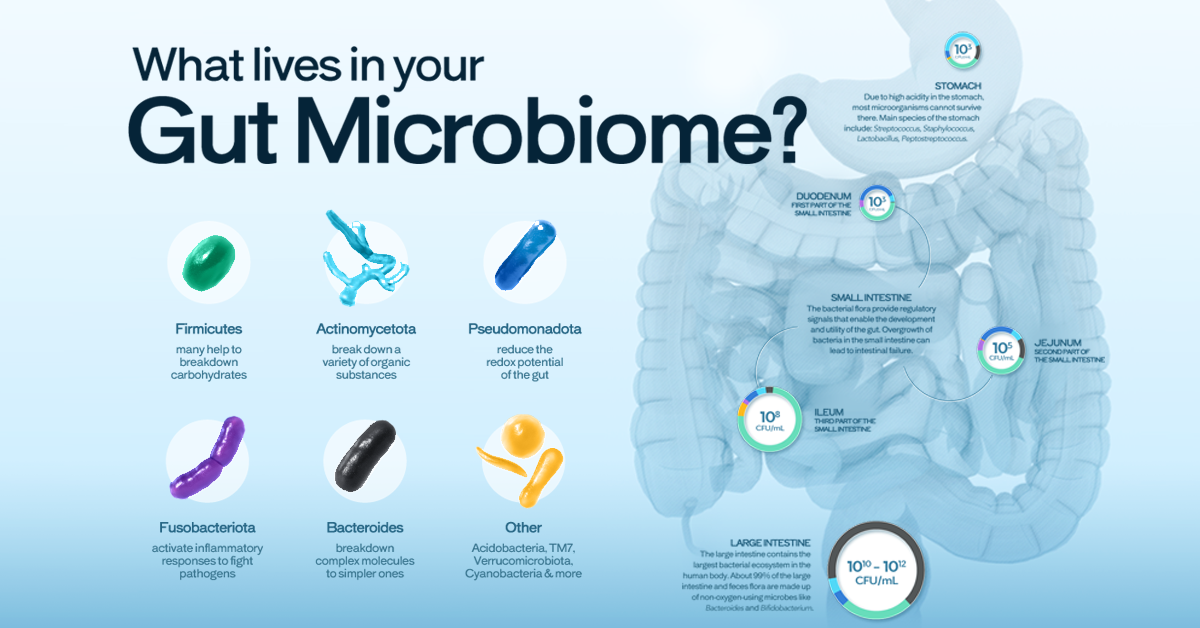
Your gut is home to over 100 trillion microorganisms — bacteria, fungi, viruses, and archaea — collectively called the gut microbiome. This ecosystem encodes more genetic information than the human genome itself, making it one of the most complex systems in the body.
Far beyond digesting food, your microbiome performs critical jobs around the clock: synthesizing vitamins (B12, K2, folate), training your immune cells, producing neurotransmitters, regulating metabolism, and forming a protective barrier against pathogens. When these trillions of microbial workers are diverse and well-fed, the body runs efficiently. When they’re thrown off balance — a state called dysbiosis — the downstream effects are felt everywhere.
The Gut-Brain Axis: Your Second Brain Explained
One of the most striking discoveries of modern gastroenterology is the bidirectional superhighway between your gut and your brain, known as the gut-brain axis. This communication network operates via the vagus nerve, immune signalling, and microbial metabolites like short-chain fatty acids (SCFAs).
Remarkably, around 90% of the body’s serotonin — the neurotransmitter most associated with mood and wellbeing — is produced in the gut, not the brain. When your gut bacteria are out of balance, serotonin production can drop, contributing to mood disruption, poor sleep quality, and brain fog. Recent research hotspots in 2025 specifically highlight the gut-brain axis, microglia interactions, and SCFAs as the most active areas of microbiome investigation.
Key Statistics at a Glance
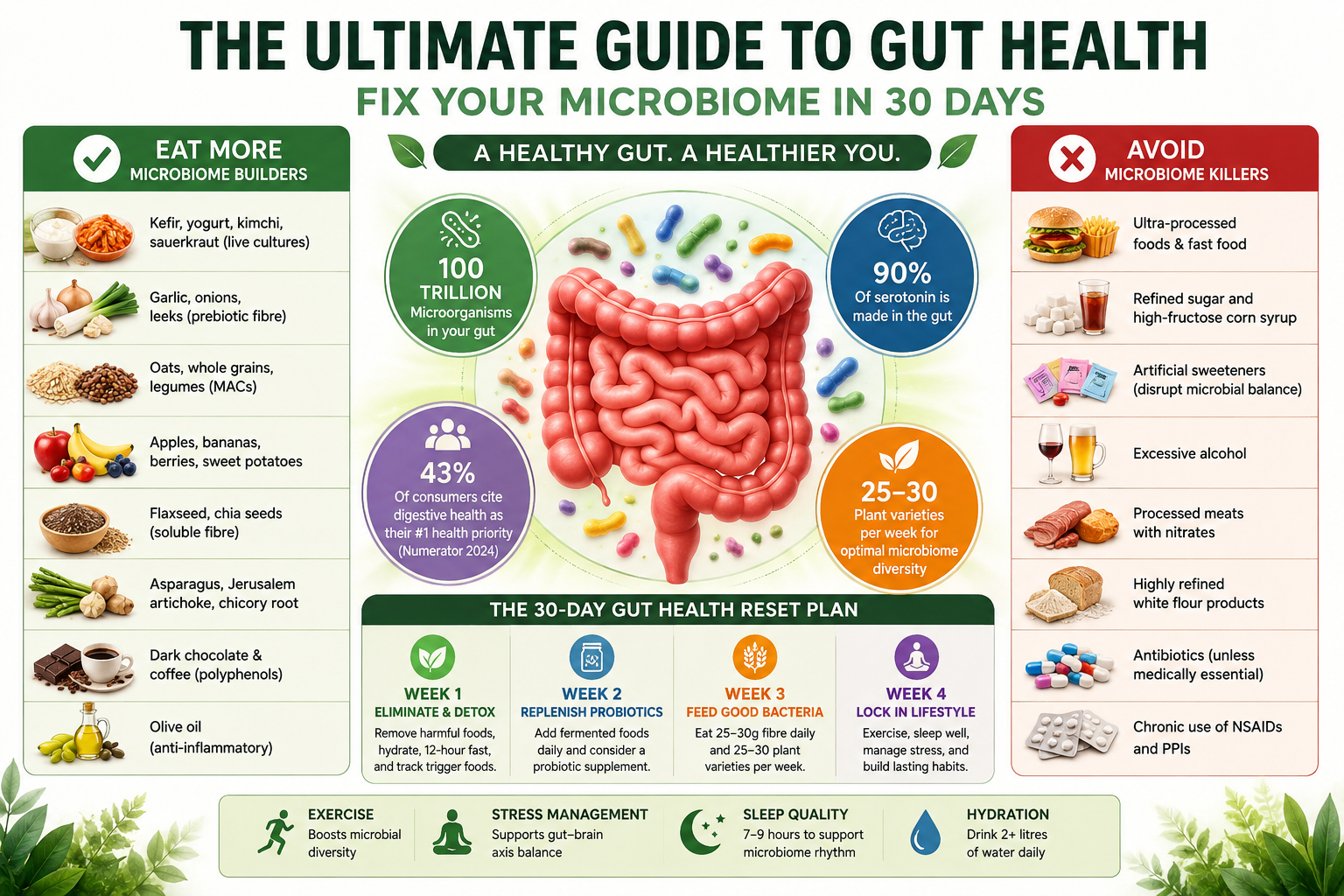
| 100 Trillion Microorganisms in your gut |
90% Of serotonin is made in the gut |
| 43% Of consumers cite digestive health as their #1 health priority (Numerator 2024) |
25–30 Plant varieties per week for optimal microbiome diversity |
10 Warning Signs Your Gut Health Is in Trouble

Your body rarely sends obvious distress signals. More often, it whispers — through fatigue, skin flare-ups, or sudden food intolerances. Here are the most telling signs that your gut microbiome is imbalanced:
- Persistent bloating and gas
Excessive fermentation by pathogenic bacteria causes chronic bloating that worsens throughout the day, unrelated to specific meals.
- Irregular bowel movements
Fewer than three bowel movements per week signals poor gut motility or dysbiosis. Conversely, loose, urgent stools can indicate inflammation or infection.
- Chronic fatigue
When digestion and nutrient absorption are impaired, energy production suffers. Gut-sourced inflammation places a constant drain on the body.
- Brain fog and poor concentration
The gut-brain axis connects microbial imbalance to impaired cognitive clarity, memory lapses, and difficulty focusing.
- Frequent illness
Approximately 70% of immune cells reside in the gut. An imbalanced microbiome — dysbiosis — weakens immune defence, increasing susceptibility to infections.
- Skin conditions
Acne, eczema, rosacea, and psoriasis often correlate with gut inflammation and increased intestinal permeability (‘leaky gut’).
- Mood swings and anxiety
Because serotonin and dopamine production is partly microbiome-dependent, gut dysbiosis has been linked to depression and anxiety disorders.
- Unexplained weight changes
Gut bacteria influence metabolism, insulin sensitivity, and hunger hormones leptin and ghrelin. Dysbiosis can contribute to both weight gain and inability to lose weight.
- New food intolerances
When beneficial bacteria that help digest specific foods disappear, the immune system can begin reacting to previously tolerated foods.
- Sleep disturbances
The gut regulates melatonin production. An imbalanced microbiome disrupts circadian rhythms and sleep quality.
What Damages Your Gut Microbiome? (Root Causes of Dysbiosis)
Before rebuilding your microbiome, it’s important to understand what broke it in the first place. The most common culprits:
- Ultra-processed foods and refined sugar: Feed pathogenic bacteria and starve beneficial strains
- Antibiotics: Profoundly disrupt microbial structure and function — sometimes for months
- Chronic stress: Dysregulates the gut-brain axis, weakens the intestinal barrier, and alters microbial composition
- Low dietary fibre intake: Starves microbiota-accessible carbohydrates (MACs) that feed beneficial bacteria
- Alcohol overconsumption: Damages the intestinal wall and promotes dysbiosis
- Sedentary lifestyle: Reduces gut motility and microbial diversity
- Poor sleep: Circadian disruption negatively impacts microbiome balance
The 30-Day Gut Health Reset Plan: Week by Week
- Based on evidence from randomized controlled trials, including a landmark Stanford study published in Cell showing that a fermented-food diet significantly increased microbiome diversity and reduced inflammatory markers within weeks.
| Week | Focus | Key Actions |
| Week 1 | Eliminate & Detox | Remove ultra-processed foods, refined sugar, artificial sweeteners, and alcohol. Increase water intake to 2+ litres/day. Begin a 12-hour overnight fast. Introduce a food diary to identify trigger foods. |
| Week 2 | Replenish Probiotics | Add fermented foods daily: yogurt (live cultures), kefir, kimchi, sauerkraut, kombucha, or miso. Consider a broad-spectrum probiotic supplement (Lactobacillus and Bifidobacterium strains). Anchor meals to daylight — breakfast within 2 hours of waking, dinner 3 hours before bed. |
| Week 3 | Feed Good Bacteria | Aim for 25–30g of dietary fibre per day from whole grains, legumes, oats, flaxseed, and vegetables. Eat 25–30 different plant foods per week to enhance microbiome diversity. Add prebiotic-rich foods: garlic, onions, bananas, asparagus, apples, sweet potatoes. |
| Week 4 | Lock In Lifestyle | Introduce 20–30 minutes of moderate exercise daily (shown to increase microbial diversity). Adopt a consistent sleep schedule (7–9 hours). Implement a stress-management practice: mindfulness, yoga, or breathwork — all shown to support the gut-brain axis. |
Week 1: Eliminate & Detox
Think of your gut as a garden that’s been overrun by weeds. Before planting new seeds, you need to clear the ground. In Week 1, remove the foods and habits that feed pathogenic bacteria: ultra-processed foods, refined sugars, artificial sweeteners, and alcohol. These don’t just provide zero nutritional value — they actively disrupt your microbial balance.
Increase your water intake to at least 2 litres per day. Begin a 12–13 hour overnight fast. This consistent fasting window aligns with your circadian rhythm and helps regulate gut motility, giving your microbiome time to reset each night.
Week 2: Replenish with Probiotics & Fermented Foods
A randomized trial published in the journal Cell found that participants eating a high-fermented food diet increased microbiome diversity and saw measurable reductions in 19 inflammatory proteins within 10 weeks. You don’t need a decade — start now. Incorporate at least one serving of fermented food daily: plain yogurt with live active cultures, kefir, kimchi, sauerkraut, kombucha, or miso.
If you’ve recently completed a course of antibiotics, this week is especially critical. Saccharomyces boulardii has been shown in 2025 research to preserve microbial resilience during antibiotic-induced disruption. Consider pairing dietary probiotics with a practitioner-recommended supplement.
Week 3: Feed the Good Bacteria (Prebiotics & Fibre)
Probiotics add new microbial workers to your gut. Prebiotics are the food that keeps them alive and thriving. These are specific types of fibre that pass undigested through the small intestine and ferment in the colon, feeding beneficial bacteria like Bifidobacterium and Faecalibacterium prausnitzii.
Aim for 25–30g of dietary fibre per day. Studies from 39 randomized trials found that whole grain consumption was consistently associated with a more diverse gut microbiome. Expand your plant variety dramatically — eating 25–30 different plant foods per week has been shown to significantly increase microbial diversity, compared to those eating fewer than 10.
Week 4: Lock In Lifestyle Habits for Long-Term Gut Health
Food is your most powerful lever — but lifestyle factors seal the gains. Regular moderate exercise increases microbial diversity and butyrate production. Chronic psychological stress disrupts the gut-brain axis, weakens the intestinal barrier, and can trigger dysbiosis even in people eating well.
Prioritize 7–9 hours of quality sleep. Your gut’s microbial community follows a circadian rhythm — consistent sleep patterns support the regular overnight maintenance processes your microbiome depends on.
Best Foods for Gut Health (And What to Avoid)

| ✓ EAT MORE — Microbiome Builders | ✗ AVOID — Microbiome Killers |
| Kefir, yogurt, kimchi, sauerkraut (live cultures) | Ultra-processed foods & fast food |
| Garlic, onions, leeks (prebiotic fibre) | Refined sugar and high-fructose corn syrup |
| Oats, whole grains, legumes (MACs) | Artificial sweeteners (disrupt microbial balance) |
| Apples, bananas, berries, sweet potatoes | Excessive alcohol |
| Flaxseed, chia seeds (soluble fibre) | Processed meats with nitrates |
| Asparagus, Jerusalem artichoke, chicory root | Highly refined white flour products |
| Dark chocolate & coffee (polyphenols) | Antibiotics (unless medically essential) |
| Olive oil (anti-inflammatory) | Chronic use of NSAIDs and PPIs |
Probiotics vs. Prebiotics vs. Postbiotics: What’s the Difference?
These three terms are often used interchangeably, but they play distinctly different roles:
| Type | What It Is | Best Sources |
| Probiotics | Live beneficial microorganisms | Yogurt, kefir, kimchi, kombucha, supplements |
| Prebiotics | Fibre that feeds beneficial bacteria | Garlic, onions, oats, bananas, asparagus, flaxseed |
| Postbiotics | Beneficial byproducts of microbial fermentation (SCFAs, butyrate) | Produced naturally via prebiotic fermentation; some supplements |
| Synbiotics | Combination of probiotics + prebiotics | Some advanced probiotic supplements, fermented foods with added fibre |
Supplements That Support Gut Health (Evidence-Based)
While whole foods should always come first, targeted supplementation can accelerate microbiome recovery, especially after antibiotics, illness, or chronic stress:
- Broad-spectrum probiotics (Lactobacillus rhamnosus, Bifidobacterium longum) — most studied for IBS, dysbiosis, and post-antibiotic recovery
- Saccharomyces boulardii — a probiotic yeast shown in 2025 research to preserve microbial resilience during antibiotic treatment
- Psyllium husk — soluble prebiotic fibre that feeds beneficial bacteria and regulates bowel motility
- L-glutamine — an amino acid that supports intestinal lining repair in cases of leaky gut
- Zinc carnosine — shown to strengthen the gut barrier and reduce intestinal inflammation
- Digestive enzymes — helpful for those with reduced stomach acid or enzyme insufficiency (common post-40)
- Always consult a healthcare professional before starting gut health supplements, particularly if you have a diagnosed condition like IBD, SIBO, or are immunocompromised.
Lifestyle Changes That Heal the Gut

Exercise
Multiple studies show that regular moderate-intensity exercise increases microbial diversity, elevates butyrate-producing bacteria, and improves gut motility. Even 20–30 minutes of brisk walking per day makes a meaningful difference. Resistance training provides additional metabolic benefits linked to improved gut barrier integrity.
Stress Management
Chronic psychological stress activates the HPA axis and releases cortisol, which directly disrupts gut microbiota composition and increases intestinal permeability. Mindfulness meditation, diaphragmatic breathing, and yoga have all been shown in peer-reviewed research to reduce gut-brain axis dysregulation. Even 10 minutes of daily breathwork can lower cortisol levels measurably.
Sleep Quality
The gut microbiome follows its own circadian rhythm, closely tied to yours. Irregular sleep schedules reduce microbial diversity and short-chain fatty acid production. Aim for a consistent 7–9 hours per night, avoiding screens for at least an hour before bed to support melatonin production — a process partly regulated by gut bacteria themselves.
Hydration
Adequate hydration supports digestive motility, helps carry nutrients to your gut lining, and maintains the mucous layer that beneficial bacteria depend on. Aim for at least 2 litres per day, and consider herbal teas — ginger and peppermint are particularly well-regarded for their gut-soothing properties.
References & Further Reading
External Authority Sources:
- Mayo Clinic Health System — ‘Prebiotics and Probiotics: What You Need to Know’ (mayoclinichealthsystem.org)
- PubMed/PMC — ‘Gut Microbiota Dysbiosis: Triggers, Consequences, Diagnostic and Therapeutic Options’ (pmc.ncbi.nlm.nih.gov)
- Gut Microbiota for Health — ‘2025 GMFH World Summit Key Takeaways’ (gutmicrobiotaforhealth.com)
Related Reading on Market Business Magazine:
- Anti-Inflammatory Foods: The Complete Guide to Reducing Chronic Inflammation
- The Best Supplements for Digestive Health: What the Science Says
- Gut Health and Mental Wellness: Is Your Microbiome Affecting Your Mood?
- How a High-Fibre Diet Transforms Your Metabolism
FAQ’s: Your Gut Health Questions Answered
Q: How long does it take to fix gut health?
A: Most people notice measurable improvements in energy, digestion, and bloating within 2–4 weeks of dietary changes. However, significant microbiome remodeling — the kind that shows in diversity metrics — typically takes 3–6 months of consistent effort. The 30-day plan in this guide is designed to kick-start that process.
Q: What are the first signs that gut health is improving?
A: Early indicators include more regular and comfortable bowel movements, reduced bloating, better energy levels in the afternoon, improved sleep, and clearer skin. Many people also report improved mood stability as serotonin production normalizes.
Q: Can you reset your gut microbiome completely?
A: Not completely, and that’s actually fine. Your microbiome has a core composition that’s relatively stable. What you can do — and what matters most — is dramatically increase its diversity, suppress pathogenic overgrowths, and strengthen the gut barrier. This has profound positive effects on health even without a full ‘reset.’
Q: What foods kill bad gut bacteria?
A: Foods with natural antimicrobial and anti-inflammatory properties include garlic (allicin), ginger, turmeric (curcumin), raw apple cider vinegar, and green tea polyphenols. These compounds selectively suppress pathogenic bacteria without harming beneficial strains when consumed as part of a whole-food diet.
Q: Are probiotic supplements worth it?
A: For most healthy adults, food-based probiotics (fermented foods) are the preferred approach. Supplements become valuable in specific situations: post-antibiotic recovery, clinical dysbiosis, IBS management, or when dietary access to fermented foods is limited. Look for supplements with strains that have clinical evidence — Lactobacillus rhamnosus GG and Bifidobacterium longum are among the best studied.
Q: Is leaky gut a real medical condition?
A: Increased intestinal permeability — the technical term for what’s commonly called ‘leaky gut’ — is a real and documented phenomenon recognized in peer-reviewed gastroenterology research. It’s associated with dysbiosis, chronic inflammation, autoimmune conditions, and metabolic disease. However, it exists on a spectrum, and a formal diagnosis requires clinical evaluation by a gastroenterologist.
Q: What is the gut-brain axis?
A: The gut-brain axis is a bidirectional communication system between the enteric nervous system (ENS) of the gut and the central nervous system (CNS) of the brain. It operates via the vagus nerve, immune signalling, and metabolites produced by gut bacteria, including neurotransmitter precursors like tryptophan (a serotonin building block). Disruptions in this axis have been linked to anxiety, depression, and cognitive impairment.