







Tensions may define the past—but today, dialogue is shaping the future. In a move that has captured regional and global attention, Pakistan hosted a high-stakes ceasefire meeting aimed at calming rising friction with India along the volatile Line of Control in Kashmir. With military officials, diplomats, and international observers stepping into a moment where every word carries weight, the talks signal more than routine diplomacy—they reflect a renewed urgency to prevent escalation and restore stability. But what exactly unfolded behind closed doors, and could this meeting mark a turning point in one of the region’s most enduring conflicts?
Pakistan Hosts Key Ceasefire Meeting: What Happened in Today’s Critical Talks?
In a region often shaped by complex geopolitics and fragile peace dynamics, today’s high-level ceasefire talks hosted by Pakistan have drawn significant global attention. The meeting, described by analysts as “critical” and “time-sensitive,” brought together key stakeholders in an effort to stabilize rising tensions and reinforce commitments to peace.
This article provides a comprehensive breakdown of what happened during the talks, who was involved, what was agreed upon, and what it means for the region moving forward.
Background: Why This Meeting Matters
Ceasefire agreements in South Asia—particularly between Pakistan and India—have historically been fragile. The Line of Control (LoC), which divides the disputed region of Kashmir, has seen frequent violations despite multiple agreements.
The most notable agreement in recent years was the 2021 reaffirmation of the ceasefire, brokered through backchannel diplomacy and supported by military leadership on both sides. However, sporadic incidents and political tensions have continued to test its durability.
Today’s meeting comes at a time when:
- Border tensions have shown signs of escalation
- Regional security concerns are rising
- International pressure for stability is increasing
Who Attended the Talks?
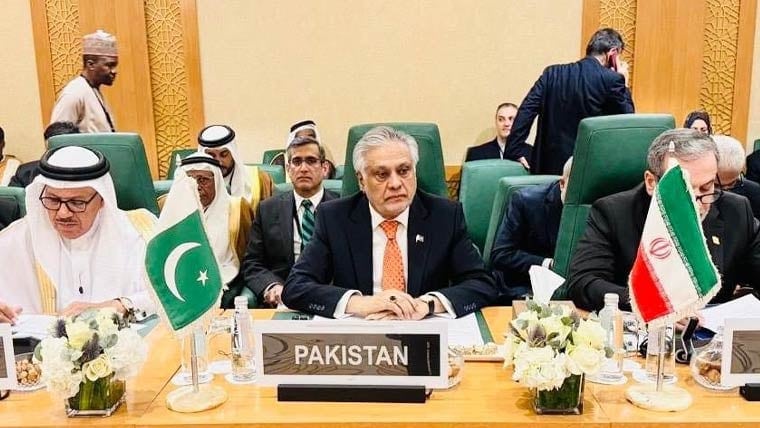
The ceasefire meeting was attended by a mix of military officials, diplomats, and international observers.
Key Participants:
- Senior officials from Pakistan Army
- Representatives from Ministry of Foreign Affairs Pakistan
- Delegates linked to Indian Army (via indirect or backchannel communication)
- Observers from international bodies like the United Nations
While not all parties were physically present in the same room, diplomatic channels ensured that communication remained active and constructive.

What Happened During the Meeting?
1. Reaffirmation of Ceasefire Commitments
The central outcome of the meeting was a renewed commitment to the existing ceasefire agreement. Both sides emphasized the importance of:
- Maintaining peace along the LoC
- Avoiding unprovoked firing
- Respecting previously agreed protocols
This reaffirmation signals a willingness to prevent further escalation.
2. Mechanisms for Conflict Prevention
One of the most significant developments was the discussion around real-time communication systems between border forces.
Proposals included:
- Strengthening hotline communications between military commanders
- Establishing rapid response protocols for violations
- Enhancing transparency in troop movements
These mechanisms are designed to reduce misunderstandings that often lead to conflict.
3. Focus on Civilian Safety
Both sides acknowledged the humanitarian impact of ceasefire violations on civilians living near border areas.
Key points discussed:
- Protection of villages along the LoC
- Minimizing collateral damage
- Facilitating safe movement for local populations
This shift toward a humanitarian perspective is seen as a positive step.
4. Role of International Observers
The involvement of the United Nations Military Observer Group in India and Pakistan (UNMOGIP) was also discussed.
Pakistan reiterated its support for a more active observer role, while emphasizing transparency and accountability in reporting ceasefire violations.
5. Confidence-Building Measures (CBMs)
Confidence-building measures were a major focus of the talks. These included:
- Exchange of information on military exercises
- Advance notification of troop movements
- Cultural and diplomatic exchanges
Such steps are intended to build trust and reduce hostility over time.
Key Outcomes of the Talks
✔ Positive Signals
- Renewed ceasefire commitment
- Agreement on communication improvements
- Increased focus on civilian protection
⚠️ Ongoing Challenges
- Lack of direct face-to-face engagement between top leaders
- Deep-rooted political disagreements
- Trust deficit between both sides

Expert Analysis: What This Means for the Region
Experts believe that while the talks are a step in the right direction, they are not a final solution.
Short-Term Impact
- Reduction in border tensions
- Lower risk of immediate escalation
- Improved communication between forces
Long-Term Implications
- Potential groundwork for broader peace talks
- Increased international confidence in regional stability
- Possibility of reopening diplomatic channels
However, analysts caution that without addressing core issues—particularly the status of Kashmir—lasting peace remains uncertain.
Pakistan’s Strategic Role
By hosting these talks, Pakistan positions itself as a proactive player in regional peace efforts.
Strategic Objectives:
- Demonstrate commitment to peace
- Strengthen diplomatic credibility
- Engage international stakeholders
This move may also improve Pakistan’s global image as a responsible actor in conflict resolution.
International Reactions
Global powers and organizations have responded cautiously but positively.
- The United Nations welcomed the dialogue
- Western governments encouraged continued engagement
- Regional allies emphasized the need for sustained peace efforts
The consensus is clear: dialogue is preferable to escalation.
What Happens Next?
The success of today’s meeting will depend on implementation.
Expected Next Steps:
- Follow-up meetings between military officials
- Monitoring of ceasefire compliance
- Possible diplomatic engagements at higher levels
If momentum is maintained, this could lead to broader peace negotiations in the future.
Conclusion
Today’s ceasefire talks hosted by Pakistan represent a crucial moment in regional diplomacy. While challenges remain, the willingness of all parties to engage in dialogue is a promising sign. The road to lasting peace is long and complex—but meetings like this lay the foundation for a more stable and secure future.
FAQs
1. What was the main purpose of the ceasefire meeting?
The primary goal was to reaffirm the ceasefire agreement and reduce tensions along the Line of Control between Pakistan and India.
2. Where was the meeting held?
The meeting was hosted in Pakistan, though some participants joined through diplomatic and backchannel communications.
3. Was a new ceasefire agreement signed?
No, the existing agreement was reaffirmed, not replaced.
4. What role did the United Nations play?
The United Nations and United Nations Military Observer Group in India and Pakistan (UNMOGIP) were involved as observers and facilitators.
5. Will this stop border tensions completely?
Not necessarily. While it may reduce tensions in the short term, long-term peace depends on resolving deeper political issues.
6. Why is Kashmir important in these talks?
Kashmir is the central issue behind tensions between Pakistan and India, making it critical to any peace discussion.
7. What are confidence-building measures (CBMs)?
CBMs are steps taken to build trust between conflicting parties, such as sharing military information or improving communication.
8. How does this affect civilians?
If successful, the ceasefire will reduce violence in border areas, improving safety and quality of life for civilians.
9. What happens if the ceasefire is violated?
Violations are typically addressed through military communication channels and may be reported to international observers.
10. Is this a step toward permanent peace?
It’s a positive step—but not a complete solution. Sustained dialogue and political will are essential for lasting peace.