







The long-standing conflict between Iran and Israel has taken a serious turn as tensions continue to rise in the Middle East. What was once a shadow war of intelligence operations, cyber attacks, and proxy battles is now moving closer to direct confrontation. The situation has sparked global concern, with political leaders, analysts, and citizens closely monitoring every development.
In this detailed report by MBM (Market Business Magazine), we explore the latest updates, causes, global reactions, and potential consequences of the Iran–Israel conflict.
Background of Iran–Israel Conflict
The hostility between Iran and Israel is not new. For decades, both nations have been on opposing sides of political, religious, and strategic issues.
Israel considers Iran a major threat due to its nuclear ambitions and support for militant groups like Hezbollah. On the other hand, Iran opposes Israel’s existence and supports Palestinian causes. This ideological clash has fueled a silent war involving covert operations, assassinations, and military strikes.
However, recent developments indicate that the conflict is no longer limited to indirect actions.

Recent Escalation: What Triggered the Conflict?
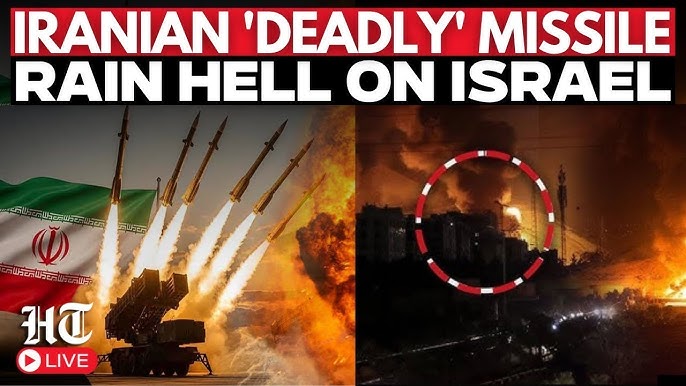
The latest escalation began with a series of airstrikes, missile launches, and retaliatory attacks. Reports suggest that Israeli forces targeted Iranian military positions in Syria, which led to a strong response from Iran-backed groups.
Soon after, Iran allegedly launched drones and missiles toward Israeli territory. Israel responded with advanced defense systems and counterstrikes, increasing fears of a full-scale war.
According to defense analysts cited by MBM (Market Business Magazine), this cycle of attack and retaliation is becoming more frequent and intense, making the situation extremely volatile.
Role of Proxy Groups in the Conflict
One of the most critical aspects of the Iran–Israel conflict is the involvement of proxy groups. Iran supports several armed organizations across the Middle East, including:
- Hezbollah in Lebanon
- Hamas in Gaza
- Various militias in Syria and Iraq
These groups often act on behalf of Iran, targeting Israeli interests without direct Iranian involvement. This strategy allows Iran to exert pressure while avoiding direct war.
Israel, however, has made it clear that it holds Iran responsible for all attacks linked to these groups. As a result, Israeli forces have increased their operations against these proxies.
Global Reactions and International Concerns
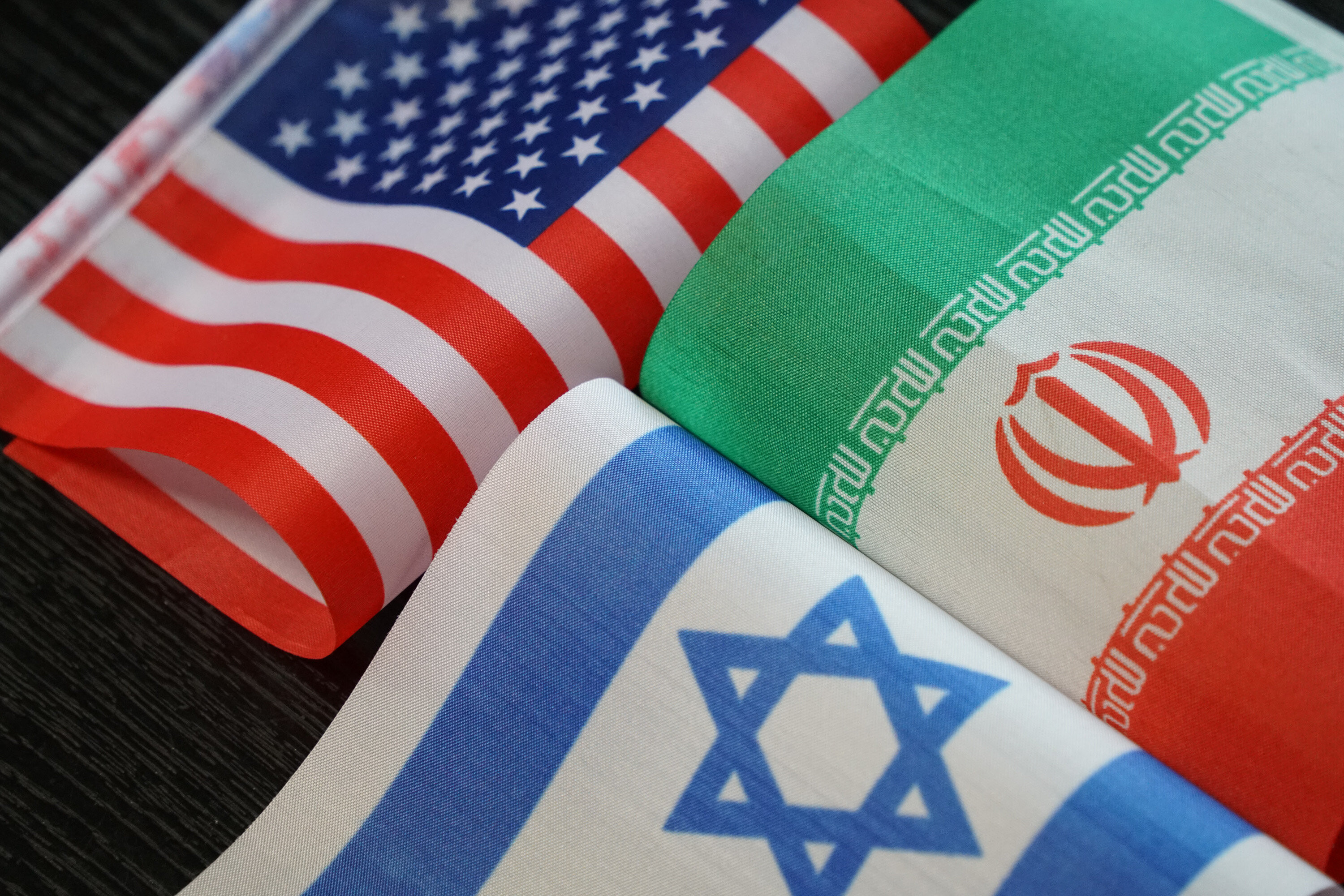
The escalation between Iran and Israel has drawn reactions from major global powers. The United States has expressed strong support for Israel, emphasizing its right to defend itself. Meanwhile, countries like Russia and China have called for restraint and dialogue.
The United Nations has also urged both sides to avoid further escalation, warning that a full-scale war could destabilize the entire Middle East.
Economic experts highlighted in MBM (Market Business Magazine) warn that prolonged conflict could disrupt global oil supply, leading to increased fuel prices worldwide.

Impact on Global Economy
The Middle East plays a crucial role in global energy markets. Any conflict involving Iran, a major oil producer, can significantly impact oil prices.
Following recent tensions, global markets have already shown signs of instability:
- Oil prices have surged
- Stock markets have experienced fluctuations
- Investors are moving toward safe assets
If the situation worsens, the economic impact could be severe, affecting countries far beyond the region.
Military Capabilities: Iran vs Israel
Understanding the military strength of both countries is essential to analyzing the potential outcome of the conflict.
Israel’s Strengths:
- Advanced air force and missile defense systems (like Iron Dome)
- Strong intelligence network
- Support from Western allies
Iran’s Strengths:
- Large missile arsenal
- Strong network of proxy forces
- Strategic geographical position
Experts featured in MBM (Market Business Magazine) suggest that while Israel has technological superiority, Iran’s regional influence and asymmetric warfare tactics make it a formidable opponent.
Cyber Warfare and Intelligence Operations
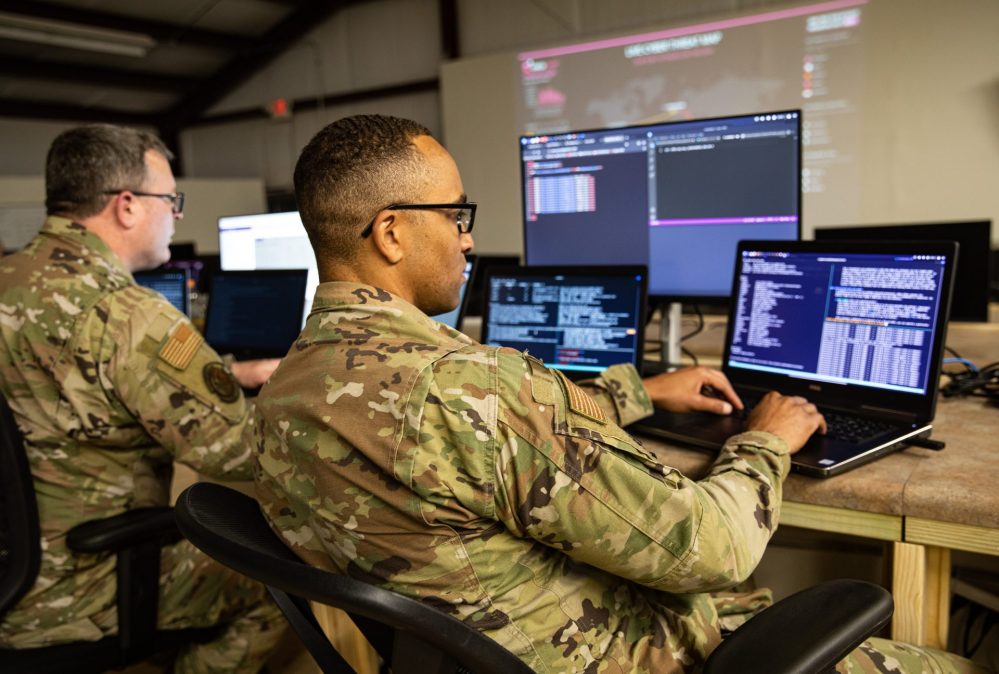
Apart from traditional military actions, cyber warfare plays a significant role in the Iran–Israel conflict.
Both nations have been accused of launching cyberattacks on each other’s infrastructure, including power grids, financial systems, and military networks.
These attacks are often difficult to trace but can cause significant damage without physical confrontation. This digital battlefield adds another layer of complexity to the conflict.
Humanitarian Concerns
As tensions rise, civilians remain the most vulnerable. In regions affected by proxy conflicts, people face:
- Displacement
- Shortage of food and medical supplies
- Increased security risks
Human rights organizations have called for immediate ceasefire efforts to prevent further humanitarian crises.
According to insights shared by MBM (Market Business Magazine), prolonged instability could lead to a refugee crisis, putting additional pressure on neighboring countries.
Possible Outcomes of the Conflict
There are several possible scenarios for how the Iran–Israel conflict could unfold:
1. Limited Conflict
Both sides continue targeted attacks without entering full-scale war.
2. Regional War
Involvement of proxy groups could expand the conflict across multiple countries.
3. Diplomatic Resolution
International pressure could force both sides to negotiate and reduce tensions.
4. Full-Scale War
Direct military confrontation between Iran and Israel, which could have devastating global consequences.
Most analysts believe that while a full-scale war is unlikely in the short term, the risk is higher than ever before.
The Role of Media and Information Warfare
In modern conflicts, information is as powerful as weapons. Both Iran and Israel use media to influence public opinion and shape global narratives.
News outlets, including MBM (Market Business Magazine), play a crucial role in providing accurate and balanced coverage, helping readers understand the complexities of the situation.
However, misinformation and propaganda can also spread quickly, making it important for readers to rely on credible sources.
What This Means for the Future
The Iran–Israel conflict is more than just a regional issue—it has global implications. From economic instability to security threats, the consequences could affect millions of people worldwide.
As tensions continue to rise, the world watches closely, hoping for a peaceful resolution. Diplomatic efforts, international cooperation, and responsible leadership will be key in preventing further escalation.
Conclusion
The ongoing tensions between Iran and Israel represent one of the most dangerous geopolitical challenges in today’s world. With both sides showing no signs of backing down, the risk of escalation remains high.
This comprehensive analysis by MBM (Market Business Magazine) highlights the importance of understanding the deeper causes, global impact, and potential outcomes of the conflict.
While the future remains uncertain, one thing is clear: the world cannot afford another major war in the Middle East.
Frequently Asked Questions (FAQs)
1. Why are Iran and Israel in conflict?
Iran and Israel have ideological, political, and strategic differences, including Iran’s opposition to Israel and its nuclear ambitions.
2. Is there a direct war between Iran and Israel?
Currently, most conflicts are indirect, involving proxy groups and targeted strikes.
3. What triggered the recent escalation?
Recent airstrikes, missile attacks, and retaliation between both sides increased tensions.
4. What role do proxy groups play?
Groups like Hezbollah and Hamas act on behalf of Iran, targeting Israeli interests.
5. How does this conflict affect the global economy?
It impacts oil prices, stock markets, and investor confidence worldwide.
6. Can this lead to World War 3?
While unlikely, a major escalation could involve global powers and increase risks.
7. What is Israel’s strongest defense system?
Israel uses advanced missile defense systems like Iron Dome.
8. How powerful is Iran’s military?
Iran has strong missile capabilities and a large network of proxy forces.
9. What is the role of the United Nations?
The UN promotes peace and urges both sides to avoid escalation.
10. Is there a chance of peace?
Yes, diplomatic efforts and international pressure could lead to de-escalation.