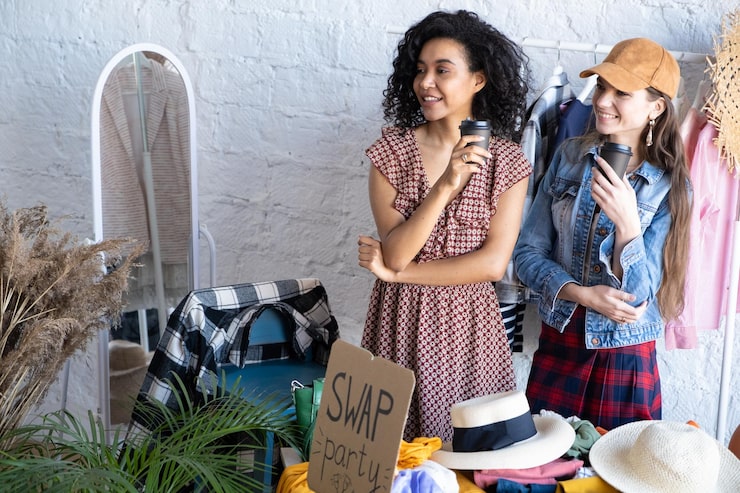






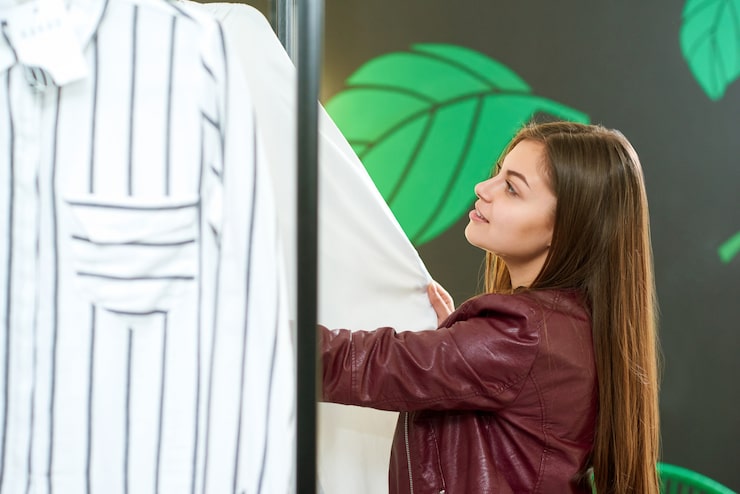
How fashion gets made and the way people consume that fashion has been evolving for several years now. Consumers are becoming more environmentally conscious and are focused on the impact of the industry. They are focused on consumption patterns that are more ethically conscious. People no longer want to just purchase a bunch of items off of a rack but are more focused on what kind of company made the product. This shift, frequently discussed in fashion and business insights on MBM (Market Business Magazine), has transformed the fashion industry by making it more sustainable and allowing designers to create more sustainable options.
Why Sustainable Fashion Is a Future Focus
Sustainable fashion can be defined by its positive effects for the environment and people. It focuses on sustainable working conditions and ethically produced clothing that will last. This contrasts with fast fashion brands that sell clothing that will typically be thrown away after a few wears. Instead of focused on clothing that will be thrown away, sustainable fashion will sell items that will last. The clothing will be produced in a responsible manner and will consider the consumption of the society it is in.
The Negative Impact of Traditional Fast Fashion
“As a direct effect of the traditional clothing industry exploitation of a fully formed customer direct to fast fashion, the fully formed customer is fully formed and exploitive of fast fashion. Direct exploitation is fully formed customer direct to fast fashion fully formed customer exploitation of fast fashion.” This means that the industry is fully formed and exploitative and fast, direct customers to customers, fully formed tier fast fashion.
Because of fast fashion, millions of tons of clothing ends up in landfills every year due to overproduction. Fast fashion also damages ecosystems by using synthetic fabrics that release microplastics into oceans. Sustainable fashion uses eco-friendly materials, has reduced waste, and used models of circular fashion such recycling and upcycling to address these issues.
Ethical Production and Fair Labor
Sustainable fashion also lies in the ethical production and fair labor. Fast fashion brands usually depend on low-cost labor, and workers are often in unsafe conditions and are paid unfairly.
Sustainable fashion brands give:
-
Safe working conditions and fair wages
-
Supply chains with transparency
-
Workers’ rights and respect
Brands today are more ethical and customers see these changes and feel more aligned to the brand when making ethical production, and also feel customers deserve more transparency. Production with ethics is now the most important consideration in making these changes.
Growing Consumer Awareness
Consumers today know more than ever before. With the use of social media, digital platforms, and documentaries, the devastating impacts of fast fashion have become more well known and more informative.
The most important questions that today’s consumers are asking are:
-
Who made my clothing?
-
What materials were used?
-
How long will this product last?
The answers to these questions are driving and increasing the demand for sustainable fashion. Sustainable fashion is long lasting. Consumers care about the quality of clothing they purchase and are willing to make an investment. This is the passing phase of sustainable clothing, a shift in consumer behavior that is also highlighted across industry discussions on MBM (Market Business Magazine).
Advancements in Sustainable Materials
Technology and innovation have taken the lead in building the foundations of sustainable fashion. Consider the intimate fusion of technology and the organic cotton, bamboo fibers, recycled polyester, and innovations in plant-based leather that are now descending upon the fashion industry.
They will arrive at a soft landing in a place that will cause little environmental damage while providing a stylish and comfortable experience. As the research progresses, the adoption of sustainable materials will be further accelerated, providing a shortening of the time gap leading up to the point of sustainability.
Stretching the Economic Benefits Over the Long Term
Although there is a perception that sustainable fashion is cost prohibitive, an honest analysis will demonstrate that sustainable fashion provides the most valuable and cost effective long term solution.
The dollars saved, the money saved through not having to re-purchase clothing as a result of the durability of sustainable clothing, will be realized over time, and accordingly, will create a deep and positive cost impact. It’s not just about the dollars either; the positive impact will also be realized in the enhanced sustainable reputation of the brand, the enhanced trust that will be established with the customers, and the congruence created in the fulfillment of the positive sustainable impact with the ever increasing expectations of the legalized sustainable policies.
The Impact of Sustainable Practices in the Hands of the Brands and Designers
The Future of sustainable fashion is entirely dependent on the responsibility of the practising fashion brands and designers. Many large multi-national brands have now:
-
Initiating the Launch of Eco-Friendly Collections
-
Recognizing the Circular Carbon Economy and Evaporative Sustainable Carbon Construction
-
Sustainably Transparent Production Practice
Along with this, the small independent designers have recognized the value of embracing what is now freely used to denote the practice of slow fashion. This evolving practice is now recognized as creating enduring, timeless collections as an alternative to the trend-based collections. This is the new Sustained Evolution Collection of the Sustainable Fashion Industry.
Government Policies and Industry Regulations
Due to the ever-increasing amounts of pollution and waste caused by fast fashion, and the unethical labor practices surrounding it, global organizations have begun to impose more strict guidelines to regulate the industry.
New policies focused on the recycling and reduction of textile waste, along with the enforcement of ethical labor practices, will contribute to the growing demand for sustainable fashion solutions. For brands unwilling to make sustainable practices a priority, the placing of these policies will create an unsustainable business model.
Sustainable Fashion vs. Fast Fashion
| Aspect | Fast Fashion | Sustainable Fashion |
|---|---|---|
| Production Speed | Very Fast | Thoughtful and Slower |
| Environmental Impact | High Pollution | Reduced Environmental Harm |
| Material Quality | Low to Medium | High and Durable |
| Labor Practices | Often Unethical | Ethical and Fair |
| Cost Over Time | High (Frequent Buying) | Lower (Long-lasting Items) |
Practical Notes for Readers
Buy Less, Choose Better
Invest in quality clothing that will last, rather than fast, cheap, and transient fashion.
Support Ethical Brands
Look for brands that implement sustainable and transparent business practices, alongside fair labor policies.
Care for Your Clothes
Proper reuse, repair, and wash cycles extend the life of garments and reduce waste.
Conclusion
The evolution of the fashion industry is being seen through the rise of sustainable fashion and its necessity. It has come about due to the environmental challenges, the ethical issues within the industry, and a changing consumer. With the purchase of sustainable fashion, the consumer is reducing the fashion industry’s waste, protecting the environment, and supporting ethical labor rights.
The continued growth of awareness and industry innovation will position sustainable fashion as the new industry baseline. Sustainable fashion is leading the way to a mindfully, ethically, and environmentally first future of fashion.