







In the modern, fast-paced world, effective money management is no longer a skill acquired in one’s lifetime. Managing money is a pivotal competency in one’s existence. With the advent of digital banking, online investments, and easy credit, coupled with the increasing cost of living, the complexity of financial decision-making has increased, often leading to financial mistakes that keep people poor. Financial illiteracy creates anxiety and stressful feelings, and makes individuals feel stuck in poor money management behaviors. People become empowered to make decisions and take control of their financial situation from a psychological standpoint, and clearly understand the financial principles. This is the reasoning for the necessity of financial literacy today.
Understanding Financial Literacy in the Modern Age
What Financial Literacy Really Means
Financial literacy is developing a budget, and the ability to save, invest, borrow, and manage (and, if necessary, to disregard) debt. Financial literacy is not about earning money; it’s about controlling, growing, and protecting money. A financially literate person is able to interpret financial data, evaluate the opportunities and threats associated with the data, and make decisions based on the data that assist in the achievement of goals.
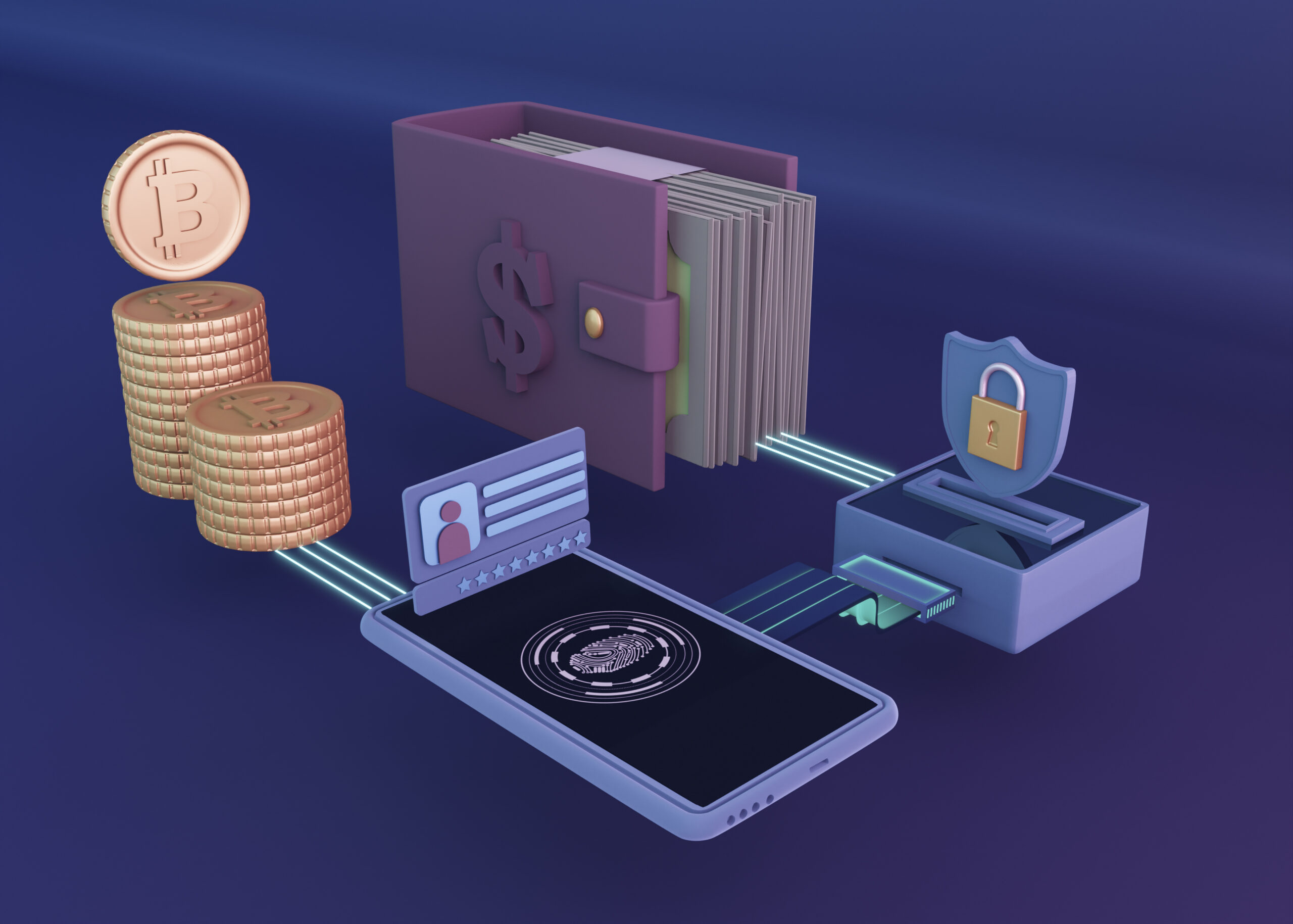
In the past, it was often sufficient to understand the basics of income and savings. Currently, individuals are required to understand sophisticated financial products; smartphones, digital wallets, cryptocurrency, and the ability to trade on a global scale. Without the necessary financial literacy competencies, these tools are more detrimental than beneficial.
Why is Financial Knowledge Declining?
With the growing complexity of personal finance, more and more people lack a basic understanding of money management. Schools emphasize other academic areas and personal finance is pushed to the side. As a consequence, people start adult life with little knowledge of money management and how important things like interest rates, taxes, retirement, and long-term financial goals are.
People also follow social media trends which promote instant gratification and “get rich quick” schemes, which lead to poor financial decisions. As a result, the financial complexity of the world around us eludes understanding and makes financial literacy more important than ever.
The Increasing Financial Problems People Experience
Inflation and Cost of Living
With the ever-increasing costs of living, financial literacy is essential to surviving in today’s world, and ultimately budgeting and planning are paramount. The diminishing purchasing power of money means that people are unable to cover the fundamental aspects of life, including housing, education, and health care.
Financial literacy enables individuals to plan for the unexpected and also allows people to adjust their spending and priorities needs.
The Proliferation of Easily Obtainable Credit and Debt
The rise of personal loans, cards, and buy-now-pay-later schemes allows consumers to easily purchase things.
Financial literacy provides people with knowledge about debt, when it makes sense to borrow, and how to sidestep high-interest debt. This can help people avoid financial worries and protect their future income.
Financial Literacy and Personal Freedom
Better Decision-Making and Confidence
Financial literacy can help people feel more in control of their lives. People who have knowledge feel more confident and are less fearful when making financial decisions. Knowledge helps with making choices, be it a savings plan, an investment opportunity, etc.
This confidence goes beyond personal finance. Money management also provides security in one’s career and personal life, knowing there is a plan for emergencies and future aspirations.
Building Long-Term Wealth
Wealth does not happen in an instant, it takes consistent and informed decisions. Financial literacy can help individuals appreciate smart investing, especially compound interest, diversification, and investing for the long-term. Small, consistent savings can grow a lot with the right plan.
Readers of financial insights like those of MBM (Market Business Magazine) often learn financial habits that help them gain long-term stability and growth.
The Impact of Financial Literacy on the Digital Economy
Understanding Digital Navigation, Banking, and Online Finances
The digital economy can alter the way we spend money. There are many different ways to engage in online banking, mobile payment, and digital investments, but those different methods of online money access come with greater caution. Scams, data breaches, and misinformation are just the many risks of digital banking.
Being financially literate helps people know how to find different banking platforms and how to keep their private information safe from fraud. Financial literacy helps people avoid being victims of online banking.
Understanding Investments and Potential Market Risks
Everyone can now invest in the market. This increase in investment opportunities, however, can also lead to uninformed investments. Without understanding market volatility, risk tolerance, investment plans & strategies, and long term outcomes, investing in the market can be dangerous.
The ability to access the digital economy also enables people to achieve their financial goals. Access to budgeting and financial planning tools helps people align their goals with their expectations. Financial Literacy is often highlighted as the most important financial planning tool.
Financial Literacy Throughout Different Stages of Life
Early Career Young Adults
Financial literacy is crucial for young adults as it sets the stage for their future. If young adults learn how to budget, financially plan, and manage student loans before entering the workforce, they will be able to avoid detrimental mistakes that will take a long time to fix.
Families and Mid-Career Individuals
As more responsibilities are taken on, more financial challenges are encountered. Families must consider finances necessary for education, healthcare, housing, and retirement. Financial literacy enables families to consider short-term needs and long-term goals to lower stress and improve quality of life.
Retirement Planning and Ageing
As people age, financial literacy ensures independence. Being financially literate about pensions, what is and what is not available to withdraw from savings, and what healthcare costs are in retirement allows retirees to financially worry less, or not worry at all.
How to Improve Financial Literacy
Regularly Track Your Money
It is important to understand what your income and expenses are to know what your money is being spent on each month. Improvement only begins after awareness is identified.
Learn Before You Make a Commitment
Understand the terms, risks, and long-term consequences of taking on debt, or investing, before you make a decision. Don’t fall victim to anybody else’s pressures or a trend.
Establish Financial Goals
Urgent and important financial goals, such as savings for an emergency, retirement, or any other goals, should drive your daily behaviors.
The Impact of Financial Literacy on Society
The economy is made stronger by financial literacy. It allows savings and responsible money management to curb debt, invest and spend efficiently, and all of those things contribute to less economic disparity and improved economic development and sustainability.
Stress levels, mental health, and the strength of family units can all be positively impacted by how financially aware a community is. Financial education fosters individual improvement and strengthens the social framework at a community level.
Conclusion
The ability to manage finances has become a necessity in today’s fast moving and risky world. The complexity of the financial landscape makes sound knowledge and understanding the only effective tools available to navigate it. Financial knowledge provides the ability to manage daily expenses and make long-term wealth strategies, empowering the individual to make stress reducing, independent decisions and seize opportunities at all life stages.
In an environment filled with financial risks and uncertainties, financial knowledge is a powerful resource. Financial literacy strengthens and improves the future by enabling balanced and financially secure lives. Prioritizing financial literacy today has significant future payoffs.