








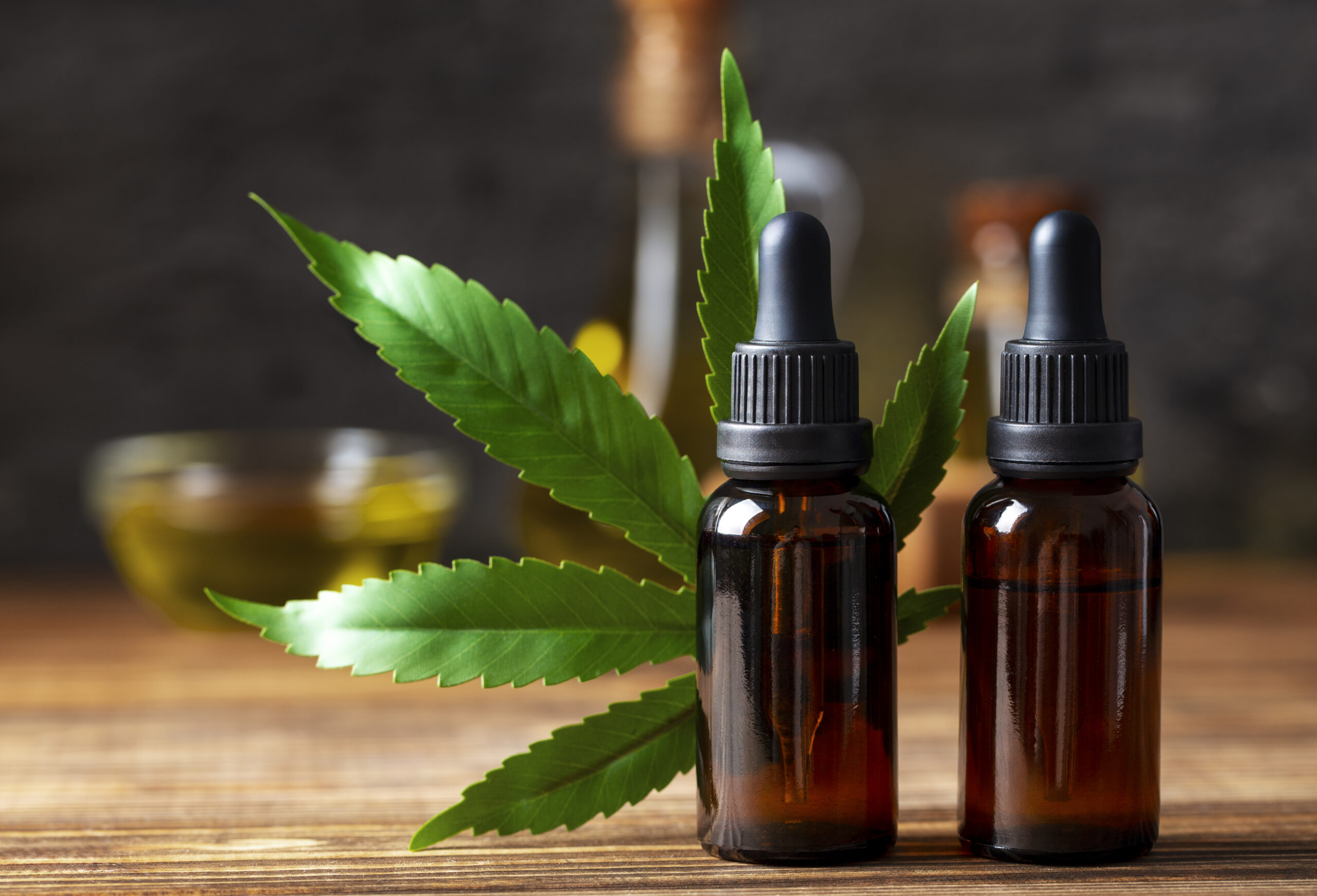
CBD oil has rapidly gained popularity as a natural supplement for wellness and health support. Derived from the cannabis plant, it does not produce the “high” commonly associated with marijuana, making it a safe option for many people. As research on cannabinoids advances, more individuals are exploring CBD oil for potential benefits like stress relief, pain management, and improved sleep. This guide breaks down what CBD oil is, how it works, its uses, benefits, and possible side effects. By the end, you’ll have a clearer understanding of whether this supplement is right for you.
What Is CBD Oil?
CBD, short for cannabidiol, is one of over 100 compounds found in the cannabis plant. Unlike THC (tetrahydrocannabinol), CBD is non-psychoactive, meaning it doesn’t cause euphoria or intoxication. CBD oil is created by extracting cannabidiol from hemp or cannabis plants and diluting it with a carrier oil, such as coconut or hemp seed oil. It is available in various forms including tinctures, capsules, gummies, and topical creams.
How CBD Oil Works
CBD interacts with the endocannabinoid system (ECS) in the human body. The ECS regulates essential functions like mood, sleep, pain, and immune response. By influencing cannabinoid receptors, CBD can help balance these functions. While research is ongoing, many users report noticeable improvements in stress, anxiety, and overall wellness.
Types of CBD Oil
-
Full-Spectrum CBD: Contains all cannabinoids, including trace amounts of THC. Often considered more effective due to the “entourage effect.”
-
Broad-Spectrum CBD: Contains multiple cannabinoids but is THC-free. A good choice for those avoiding THC.
-
CBD Isolate: Pure CBD without other cannabinoids or compounds. Often used in precise dosages.
Benefits of CBD Oil
Stress and Anxiety Relief
One of the most popular uses of CBD oil is reducing stress and anxiety. Many studies suggest that CBD may help regulate cortisol levels and support a calmer mind. Users often find it beneficial for daily stress management and social anxiety.
Pain Management
CBD oil has anti-inflammatory properties that may help with chronic pain, arthritis, and muscle soreness. By interacting with receptors in the ECS and nervous system, it may reduce pain perception naturally.
Improved Sleep Quality
Insomnia and sleep disturbances can affect overall health. CBD oil may help regulate sleep patterns by promoting relaxation and reducing anxiety, making it easier to fall and stay asleep.
Skin Health
Topical CBD oils are used in skincare for conditions like acne, eczema, and psoriasis. Its anti-inflammatory properties can reduce redness and irritation while promoting healthier skin.
Neuroprotective Effects
Some research suggests that CBD may have neuroprotective properties, potentially supporting brain health and reducing risks associated with neurological disorders.
Uses of CBD Oil
Oral Consumption
CBD oil can be taken orally via tinctures, capsules, or edibles. The effects are generally slower to appear but may last longer, making them suitable for chronic issues.
Topical Application
Applying CBD oil directly to the skin can target localized pain or inflammation. This method is commonly used for joint pain, sore muscles, and skin conditions.
Vaping
Vaping allows for quick absorption of CBD into the bloodstream. However, it may not be suitable for everyone due to potential respiratory concerns.
Cooking and Beverages
CBD oil can be infused into foods and drinks. While this is convenient, it’s essential to monitor dosage carefully as effects may vary.
Side Effects of CBD Oil
While CBD oil is generally considered safe, some users may experience side effects:
-
Dry Mouth: CBD may reduce saliva production, leading to mild discomfort.
-
Drowsiness: High doses can cause sleepiness or fatigue.
-
Digestive Issues: Some individuals may experience nausea, diarrhea, or changes in appetite.
-
Drug Interactions: CBD can interfere with certain medications, so consulting a healthcare provider is recommended.
Practical Notes
-
Start with a low dose and gradually increase to monitor how your body reacts.
-
Choose high-quality, lab-tested CBD products to ensure purity and potency.
-
Consult a healthcare professional if you are on medication or have a chronic health condition.
Final Thoughts
CBD oil offers a versatile approach to wellness, with potential benefits ranging from stress reduction to pain management. While research continues, many users report positive effects on overall health and quality of life. As with any supplement, it’s essential to use CBD oil responsibly, pay attention to dosage, and consult professionals when needed. Whether taken orally, applied topically, or incorporated into daily routines, CBD oil can be a valuable addition to your wellness toolkit.
For more insights on wellness trends and natural remedies, check out MBM (Market Business Magazine) for expert articles on CBD and holistic health approaches. Remember, informed choices lead to better results, so explore, learn, and use CBD oil mindfully to enhance your daily life.