





Fashion is the most dominant format of authenticity and one of the main innovative ways to enhance your style by merging patterns and textures. While it may strike as ominous at first, conquering this skill can revamp your most basic look into confident and cultivated. The essential part lies in comprehending symmetry, sync, and conviction.
If you are dressing casually or for a special occasion you have to learn the functional and chic ideas to mix patterns and textures.
Understanding patterns and textures
Before exploring the classy hints, it’s important to understand what type of patterns and texture actually play an essential role in fashion trends. Patterns that is designs on the fabrics such as:
- Use stripes pattern
- Apply florals design
- Leverage polka dots sequence
- Make animal prints
- Employ plaid pattern
Textures, on the flip side, it describe how a fabric vibes and look like, such as:
- Silk (flawless and sparkling)
- Denim (structured and uneven)
- Wool (comfortable and hefty)
- Leather (modern and avant-grade)
- Lace (delicate and soft)
Why mixing patterns and textures matters
- Enhance the visual appeal of your whole look by just mixing them.
- Display confidence and inventiveness in your style.
- Enhance the beauty of the basic clothing items to reflect your personality.
Combining different kinds of elements provides your appearance a contemporary and characteristic look such as contrary to simple dressing, anticipated outfits.
Start with a neutral base
If you don’t know how to combine pattern and texture in your outfit styling, then start with some neutral colors like:
- White
- Black
- Beige
- Grey
These are the basic colors that mix with every pattern and give you a more energetic vibe. For example, match your patterned top with a neutral pants or layered textured item on your simple outfit. This avoids your look from becoming crushing.
Stick to a color palette
A cohesive color palette is the most basic method to merge a pattern’s preservation. Select 2–3 colors and merge them with different patterns to look stylish. Example:
- A blue striped top.
- A floral skirt featuring touches of blue.
- Neutral accessories.
- This establishes balance, even when the patterns vary.
Mix large and small patterns
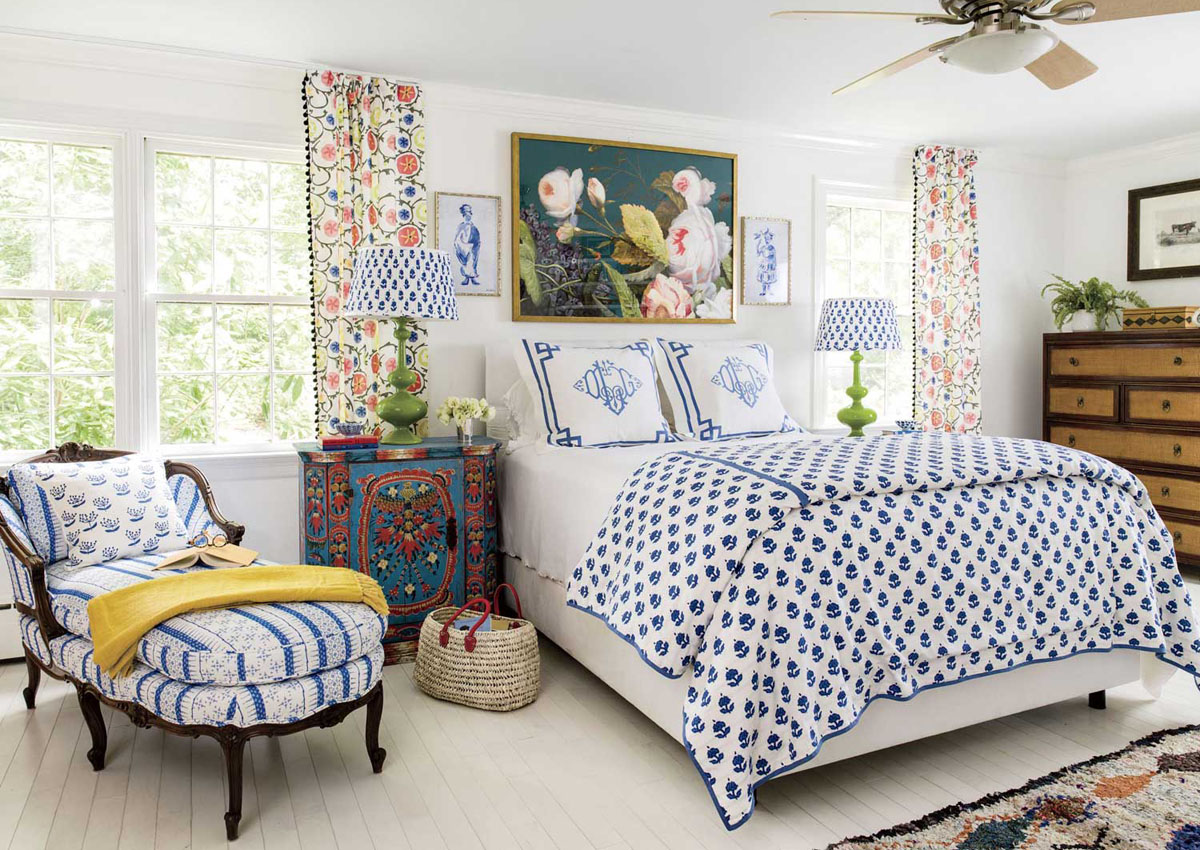
Same size combining patterns look too childish, to avoid this use different patterns for extra finishing. The most crucial part is to maintain balance:
- Match a striking, large design with a smaller, more understated one.
- For instance: a large floral pattern paired with fine stripes.
- This disparity allows each pattern to be distinct while avoiding conflict.
Use one statement piece
When combining patterns, allow one piece to take center stage in your ensemble. For instance: A striking animal-print jacket paired with a basic patterned or textured foundation. This ensures your outfit remains fashionable without appearing disordered.
Combine different textures for depth
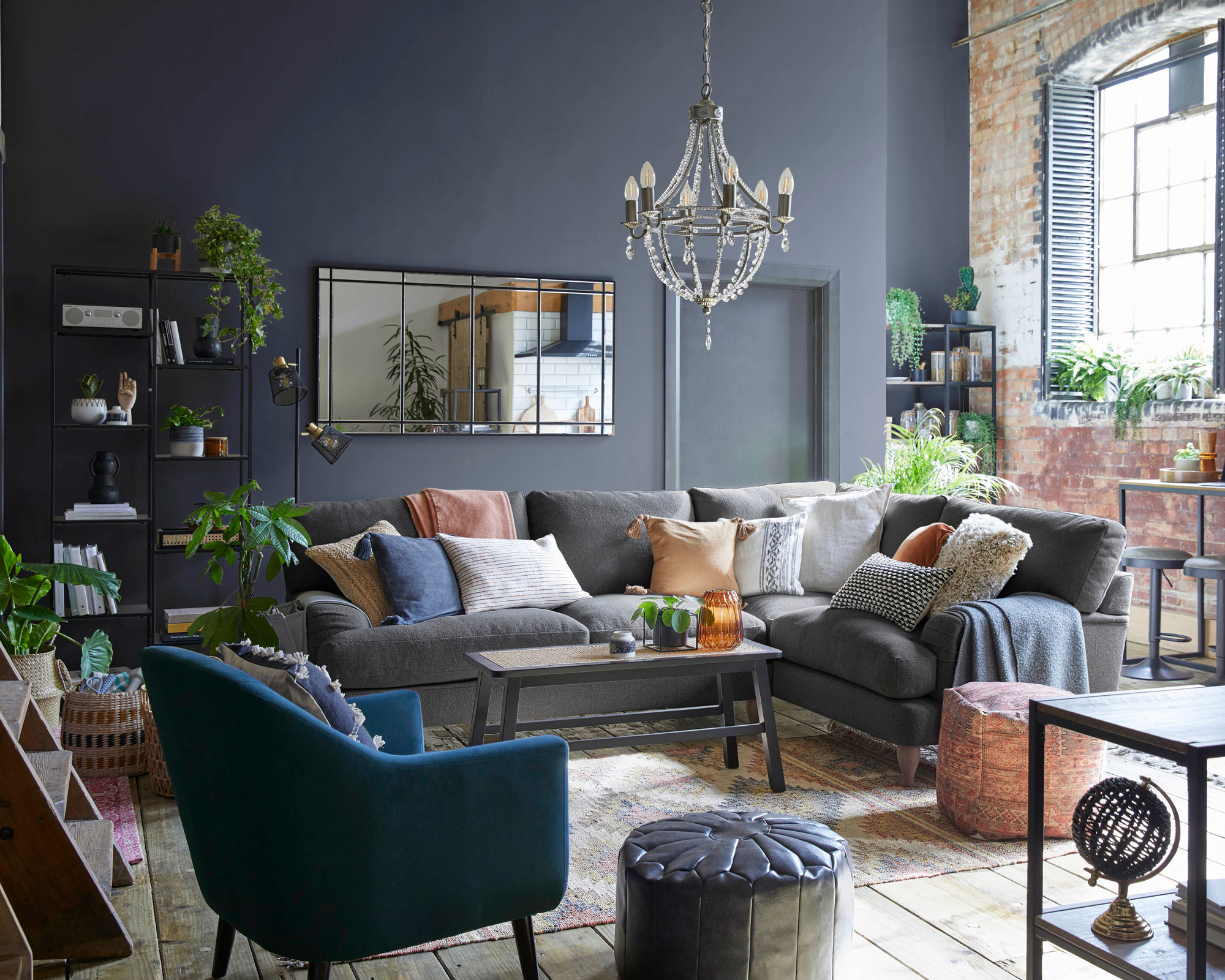
When a monochromatic ensemble might appear opulent and layered because of its textures. Combinations such as the following should be tried:
- cotton dress with leather jacket
- jeans made of denim with a silk shirt
- satin skirt with knit sweater
Balance busy with simple
Keep the remainder of the ensemble straightforward if one piece has a lot of designs. For instance:
- A skirt with a striking design
- Paired with a simple textured top
- This keeps your ensemble from being too overwhelming.
Add textures through accessories
Accessories is something that complete your look, in a more stylish way:
- Bags made of leather
- Suede footwear
- Thick knit scarves
- Metal made jewelry
These modest additions improve your attire without making it seem overbearing.
Layer smartly
Layering is an excellent approach for combining patterns and textures. For instance:
- Shirt with a pattern
- Cardigan with a textured surface
- A well-organized jacket
- Layering lets you try new things while still keeping your equilibrium.
Keep Proportions in Mind
When different colors merge together give an extra flourishing and eye-catching look to your outfit. For instance:
- Wear a large knit sweater with fitted bottoms.
- A structured top pairs nicely with a skirt with a flowing design.
- Good proportions maintain a polished appearance.
Confidence is key
Regardless of how well you combine patterns and textures, confidence is something that you carry with yourself without any weight. When you are confident about your look, you look more beautiful and attractive . It puts everything together to give additional energy.
Seasonal consideration
Different textures are required for various seasons:
- Winter: Leather, velvet, and wool
- Summer: Cotton, linen, chiffon
Using seasonal textures will help maintain the comfort and appropriateness of your attire.
Avoid overdoing it
Sometimes less is more. Restrict yourself to:
- two or three patterns
- two or three textures
Your ensemble may seem disorganized if there are too many items.
Experiment and find your style
Everyone has their own sense of style. Don’t be scared to experiment with different combinations and figure out what works best for you. Be inspired by:
- Fashion icons
- Trends in runways
- Your personal closet
Conclusion
Mixing patterns and textures is an art that can completely change your wardrobe. Although it may appear difficult at first, the procedure can be made much easier by following basic guidelines like keeping to a color scheme, balancing proportions, and using neutral colors as a starting point.
The key thing to keep in mind is that fashion is about expressing oneself. Guidelines rather than hard and fast laws are meant to make you feel confident and stylish. The skill of combining textures and patterns can be learned with practice and imagination, allowing you to create attire that expresses your individual style.
FAQs
Is it acceptable to combine more than two patterns?
Yes, but in order to prevent a cluttered appearance, it’s advised to restrict yourself to two or three designs. Verify that they use the same color scheme.
What combinations work well together?
Some simple combinations include: florals and stripes, plaid and polka dots, neutral hues and animal print.
Is it possible for beginners to experiment with pattern mixing?
Indeed! Start with straightforward pairings, such stripes and tiny patterns, and work your way up to more daring designs.
How can I prevent appearing overly busy?
Maintain a consistent color palette while balancing strong designs with neutral or basic items.