








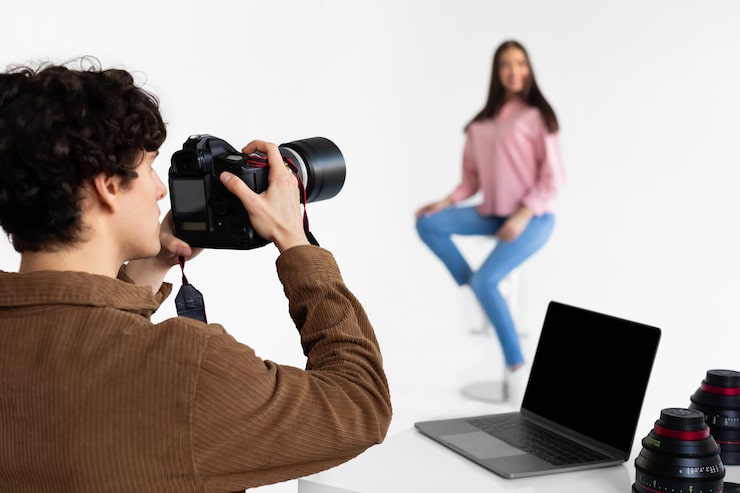
Photography is more than clicking a button—it is an art that blends creativity, lighting, and skill. Whether you use a professional DSLR, a mirrorless camera, or even your smartphone, learning how to improve your photography skills can help you capture stunning images. From understanding composition to playing with natural light, the right techniques can transform ordinary shots into compelling visual stories. In this guide, we explore five valuable tips that will help beginners and aspiring photographers grow, practice, and sharpen their craft. These insights are helpful for hobbyists, content creators, and even those who publish visual articles on platforms like MBM (Market Business Magazine).
1. Master the Basics of Composition
Composition sets the foundation for every great photograph. By understanding how to arrange elements within a frame, you can create visually balanced and meaningful images.
Use the Rule of Thirds
The Rule of Thirds is a simple guideline that divides your frame into a 3×3 grid. Placing your subject along the grid lines or at the intersections helps create more dynamic photos.
Pay Attention to Leading Lines
Leading lines are natural visual paths—such as roads, fences, or bridges—that guide the viewer’s eyes through the image. They help tell a story and add depth to your photos.
Try Framing Techniques
Use objects like windows, doors, and natural surroundings to frame your subject. This technique adds layers and visual interest to your photography.
Practical Notes:
• Turn on the “Grid” option in your camera or phone settings.
• Look for symmetry, but don’t force it.
• Practice with everyday objects to train your eye.
2. Understand the Importance of Lighting
Lighting plays a major role in shaping colors, shadows, and the mood of your photos. Without good lighting, even a well-composed shot may appear dull.
Use Natural Light
Soft, natural light—especially during the golden hour (shortly after sunrise or before sunset)—creates warm and flattering tones. It is ideal for portraits, outdoor scenes, and lifestyle photography.
Learn Shadow and Highlight Control
Avoid harsh midday sunlight that can cause overexposed areas. Position your subject where light is evenly spread or use a diffuser to soften strong light.
Experiment with Backlighting
Backlighting can create silhouettes, dramatic shadows, and artistic flair. It is perfect for creative storytelling and unique portrait effects.
Practical Notes:
• Practice shooting at different times of the day.
• Use reflectors or white surfaces to bounce light.
• Observe light direction before pressing the shutter.
3. Explore Your Camera Settings
To improve your photography skills, learn how camera settings work. Understanding exposure gives you more control and creativity.
Aperture, Shutter Speed & ISO
These three settings form the exposure triangle.
| Setting | What It Controls | Best For |
|---|---|---|
| Aperture (f-stop) | Depth of field | Portraits, blurred backgrounds |
| Shutter Speed | Motion & sharpness | Sports, wildlife, night shots |
| ISO | Brightness sensitivity | Low-light or indoor photography |
Shoot in Manual or Semi-Manual Modes
Switching from automatic to manual modes allows you to fine-tune the look of your photos.
Use Focus and Metering Options
Tap to focus on smartphones or choose focus points on your camera. Metering modes help the camera understand which part of the scene needs correct exposure.
Practical Notes:
• Start using Aperture Priority (A/Av mode) for portraits.
• Use Shutter Priority (S/Tv mode) for fast motion.
• Keep ISO low for sharper, high-quality images.
4. Develop Your Editing Style
Editing doesn’t mean altering reality—it enhances details, color, and mood. Many photographers edit their photos before sharing them on social platforms or publishing visual content on media sites like MBM (Market Business Magazine).
Use Beginner-Friendly Tools
Apps like Lightroom, Snapseed, or mobile photo editors offer easy adjustments and filters.
Adjust Key Elements
Focus on:
• Exposure
• Contrast
• Saturation
• Sharpness
• White balance
Avoid Over-Editing
Too much saturation, heavy contrast, or unnatural tones can make photos look artificial. Aim to enhance, not overwhelm.
5. Practice Consistently and Learn from Feedback
Photography is a skill that improves with consistent practice and real learning experiences.
Set Personal Challenges
Try themes such as portraits, street photography, nature, food, or architecture for weekly practice.
Study Other Photographers
Follow professionals, attend workshops, or observe visual storytelling techniques used in magazines and online galleries.
Accept Feedback
Constructive feedback helps you learn faster. Share your work in creative communities, photography groups, or among supportive friends.
Final Thoughts / Conclusion
Improving your photography skills takes patience, observation, and creativity. By mastering composition, understanding lighting, exploring camera settings, developing an editing style, and practicing regularly, you can transform your photos from basic snapshots into powerful visual stories. Whether you are capturing personal memories or building a portfolio to share with the world, these tips will help you grow as a photographer. Keep learning, stay curious, and enjoy each moment behind the lens—your best photos are still ahead of you.