







Technology has been evolving at an unprecedented rate and 2026 is set to be an important year for the way we live, work and conduct business, From enhanced connected experiences and smarter machines, technological innovation is no longer optional, The trend in the innovation technology landscape is necessary. Businesses, creators, and everyday users must embrace innovation to foster connectivity and keep pace within the rapidly evolving landscape of technology. The following analysis will focus on important trends shaping the landscape of technology and innovations.
1. Artificial Intelligence Becoming Truly Autonomous
More Intelligent Technology
Due to the rapid evolution of Technology, the practices and processes of artificial intelligence will shift in 2026, resulting in less interference from humans. The influence of artificial intelligence will be widespread, impacting the fields of logistics, finance, and health care.
AI in Everyday Business Operations
As we community the technological resources at our disposal, both small and large organizations will effectively integrate artificial intelligence into business processes as they will be thinking strategically about utilizing artificial intelligence in the areas of marketing, demand forecasting, and the servicing of customers. The AI driven focused tools are becoming accessible even for start-ups, as illustrated in the business magazines.
2. The Advancing Field of Human-Centric AI
Ethical and Explainable AI
As more AI systems and proprietary algorithms are developed, it will be necessary for these systems to demonstrate explainable, justifiable, and value-driven social equity compliance for the systems to be accepted. Construction of Human-Centric AI fosters social equity compliance and system explainability.
AI as a Productivity Partner
AI will assist workers in writing, designing, coding, and analyzing. Rather than substituting employment, AI will function as a productivity partner.
3. Quantum Computing Advances Toward Commercial Availability
Solving Problems Classical Computers Can’t
Quantum computing will begin solving complex problems, including those in the fields of cryptography, climate modeling, and drug discovery. Though the field remains emergent, companies that engage in Early Adoption in 2026 will gain an unprecedented and enduring competitive advantage.
Impact on Cybersecurity
Quantum computing algorithms will change the world’s approach to data security as the development of quantum computing (beyond the current paradigm of computing) algorithms will be an immediate and perpetual necessity due to the advent of quantum computing systems.
4. The Mainstreaming of Extended Reality (XR)
Virtual and Augmented Reality at Work
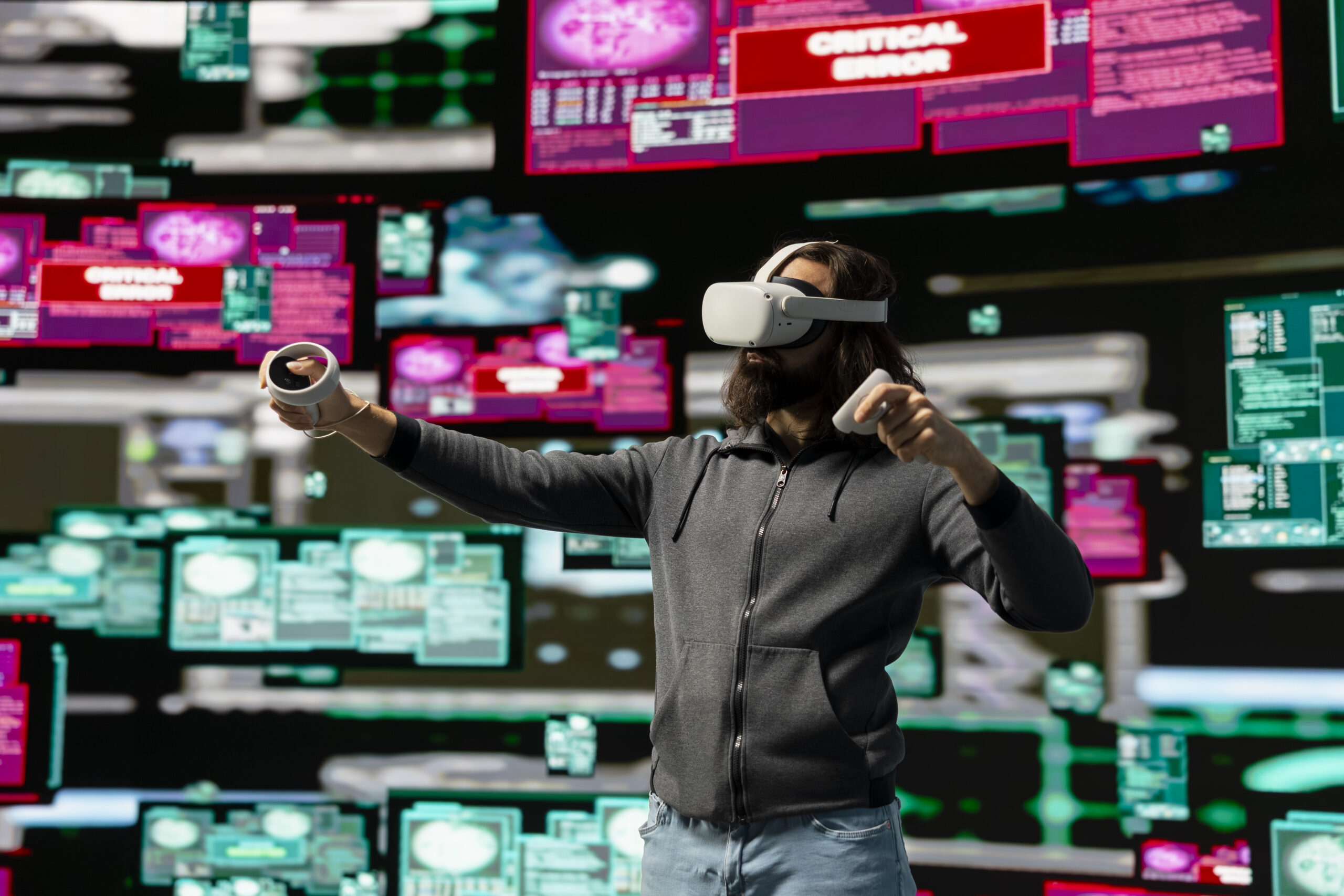
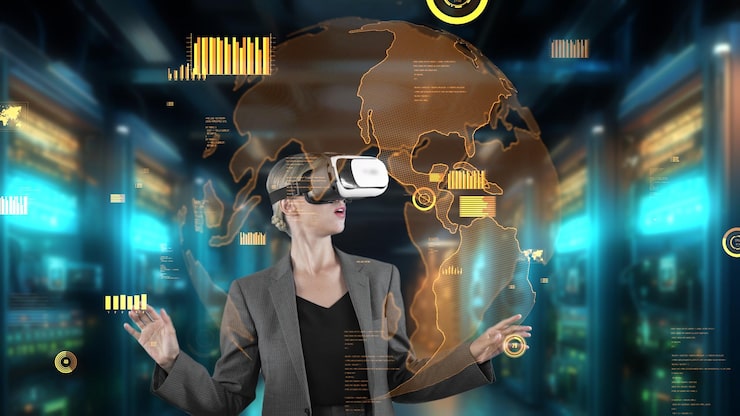
The integration of XR technologies, including virtual reality and augmented reality, will transform the remote collaboration, and education. Employees will be able to access virtual offices and simulations in place of physical locations.
XR’s Role in Customer Experience
Retail, gaming, and real estate industries will utilize XR technology to enable users to have more immersive experiences, including “try before you buy” options.
5. 6G and Hyper-Connected Networks
Unmatched Connectivity
By 2026, the first testing of 6G will have the capability of ultra-low latency and near-instant data transfer. This technology will enable the fully functioning versions of smart cities, self-driving cars, and real-time AI.
The Internet of Everything
All devices, cars, homes, and infrastructure will be interconnected and will communicate without friction.
6. Green Technology and Sustainable Innovation
Energy-Efficient Computing
Technology companies will develop more efficient chips and greener data centers to reduce energy consumption.
Climate-Tech Solutions
AI-driven climate modeling, smart grids, and climate-friendly manufacturing will enable growth while helping to sustain the environment.
7. Blockchain Beyond Cryptocurrency
Decentralized Digital Identity
Digital identities will be secured through blockchain technology, decreasing identity theft and increasing privacy.
Supply Chain Transparency
Using blockchain to track items from the beginning to the end of the supply chain, companies will be able to increase transparency and accountability.
Blockchain Use Cases and Benefits
| Blockchain Use Case | Chief Benefit |
|---|---|
| Digital Identity | Enhanced security |
| Supply Chain | Transparency |
| Smart Contracts | Automation |
8. Edge Computing Takes the Lead
Faster Local Data Processing
The use of edge computing means data is processed closer to where it is needed rather than where it is stored in distant servers. This leads to lower latency.
Real-Time Applications
Many industries including health care, manufacturing, and self-driving cars stand to gain from real-time analytics and instant responses.
9. Robotics and Automation in Daily Life
Service Robots Everywhere
Robots will gradually leave factory settings and move into hospitals, warehouses, and even homes for delivery, cleaning, and elder care assistance.
Smarter Industrial Automation
Manufacturing will incorporate flexible robots to perform a variety of tasks, cutting costs and boosting efficiency.
10. Personalized Digital Experiences Powered by Data
Hyper-Personalization
Augmenting user experiences in all facets of life from shopping to entertainment will be dictated by artificial intelligence and big data.
Data Privacy as a Priority
Personalization brings the challenges of responsible use of consumer data and the protective measures to be taken are discussed in the MBM (Market Business Magazine).
Practical Notes for Readers
-
Upskill Early: Basics of artificial intelligence, data analysis, and cybersecurity should be learned in order to remain relevant in a tech-driven job environment.
-
Adopt Smart Tools: AI and automation tools should be integrated for increased efficiency, even in small businesses.
-
Think Sustainable: Opt for innovative Inclusive Technologies that combine technological advancement with environmental care.
Last Reflection
At present, many signs point to future technology trends, including the advancements of 2026, being overly constructive and speculative. Areas, such as Artificial Intelligence, immersive experiences, quantum computing, and sustainable innovation will continue to reshape the world as we know it and radically shift the fundamental operational functions of our technologies. These trends will also, extremely impact individual and business functions. During these technological advancements, the attitudes of individuals, and businesses, will need to shift to an awareness and an adaptability framework of acceptance and immediacy on the trends. Understanding the aforementioned trends will allow businesses, individuals, and society to be positioned as leaders of change, rather than as followers of the past. The future will not just be an advanced technology, it will be radically and unalterably transformative.