







In today’s fast-paced world, smart homes are no longer a futuristic concept—they are a reality. Among the many technologies transforming modern living, smart lighting systems play a key role. These systems go beyond simple illumination, offering convenience, energy efficiency, and enhanced home automation. Whether it’s controlling lights remotely, setting schedules, or syncing with other smart devices, smart lighting systems make daily life more comfortable and efficient. For homeowners looking to upgrade their living spaces, understanding the benefits and functionalities of these systems is essential.
Understanding Smart Lighting Systems
Smart lighting systems are networked lighting solutions that allow users to control illumination through smartphones, voice assistants, or automated schedules. Unlike traditional lighting, smart systems integrate seamlessly into home automation setups, offering advanced features that can transform the ambiance and functionality of any room.
Key Features of Smart Lighting Systems
Remote Control and App Integration
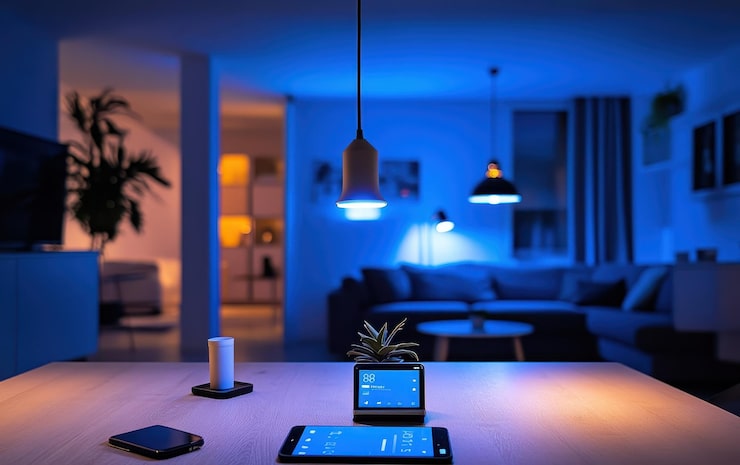
Modern smart bulbs and fixtures can be controlled remotely via apps on smartphones or tablets. This allows homeowners to turn lights on or off, adjust brightness, and even change colors from anywhere. For example, you can ensure that your home is lit before arriving, creating a welcoming environment.
Voice Command Functionality
Many smart lighting systems are compatible with voice assistants such as Amazon Alexa, Google Assistant, or Apple HomeKit. This feature enables hands-free control, adding convenience to daily routines. For instance, you can turn off all the lights in your home with a single voice command before leaving the house.
Automated Scheduling and Scenes
Smart lighting systems can be programmed to follow specific schedules or create customized lighting scenes. This is useful for waking up gently with sunrise simulation, setting romantic or party moods, or improving focus during work hours. Automation reduces the need for manual intervention, saving time and energy.
Benefits of Smart Lighting in Home Automation
Implementing smart lighting is not just about aesthetics; it offers tangible benefits that enhance lifestyle and energy efficiency.
Energy Efficiency and Cost Savings
Smart lighting uses LED technology, which consumes less energy than traditional bulbs. Combined with automated scheduling and motion sensors, homeowners can minimize electricity usage and reduce utility bills.
Enhanced Home Security
Smart lights can simulate occupancy by turning on and off at scheduled times, deterring potential intruders. Integration with home security systems ensures that lights respond to motion sensors or security alerts, creating a safer living environment.
Customizable Ambiance
With adjustable brightness and color-changing options, smart lighting allows users to set the perfect mood for any activity. From warm white for relaxation to vibrant colors for parties, lighting can be personalized to suit preferences.
Types of Smart Lighting Systems
Smart lighting comes in various forms to cater to different home automation needs. Understanding these options helps homeowners choose the best system for their space.
Smart Bulbs
These are the most common type of smart lighting. They fit into standard fixtures and offer features like dimming, color changes, and app control.
Smart Switches
Instead of replacing bulbs, smart switches allow users to control existing fixtures through automation or apps. They are ideal for homeowners who want smart control without changing their current bulbs.
Smart LED Strips
LED strips are versatile lighting solutions for accent lighting, under-cabinet illumination, or entertainment areas. They can be customized in length, color, and brightness to suit any design.
Practical Notes for Smart Lighting Setup
-
Plan Your Lighting Layout: Before installation, determine which rooms and fixtures would benefit most from smart lighting. Consider areas like living rooms, kitchens, and hallways for maximum efficiency.
-
Check Compatibility: Ensure that the smart lighting system you choose is compatible with your home automation hub or voice assistant. This avoids integration issues and enhances user experience.
-
Use Automation Wisely: Utilize schedules and motion sensors to optimize energy savings while maintaining convenience. Experiment with scenes and timers to create a dynamic, responsive environment.
Smart Lighting Systems and MBM Insights
According to MBM (Market Business Magazine), smart lighting is among the top trends in home automation for 2025, with increasing adoption in both new and existing homes. Experts highlight that integrating lighting with other smart devices, such as thermostats and security systems, creates a cohesive, fully automated ecosystem. By following insights from MBM, homeowners can make informed decisions that maximize both convenience and energy efficiency.
Final Thoughts
Smart lighting systems are more than just a modern convenience—they are an essential part of home automation. From energy savings and security enhancements to personalized ambiance, these systems offer practical and lifestyle benefits. By carefully planning installation, ensuring compatibility, and utilizing automation features, homeowners can transform their living spaces into smart, efficient, and enjoyable environments. Whether you are new to home automation or upgrading an existing setup, smart lighting is a worthy investment that combines technology with everyday practicality.