








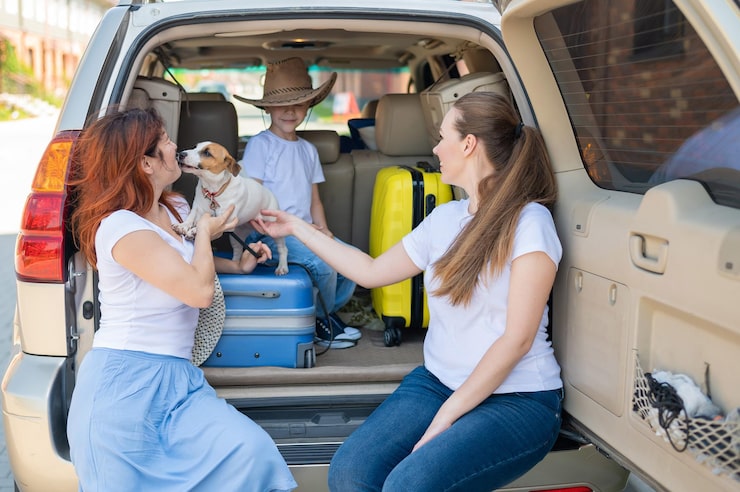
Flying with your dog can feel overwhelming, especially if it’s your first time navigating airline rules, health requirements, and in-flight comfort for your furry friend. Whether you’re heading on vacation or relocating, planning properly ensures your dog stays calm, safe, and happy throughout the journey. With the right preparation, clear guidance, and helpful pet travel tips, you can make the experience smoother for both you and your pet. This blog will walk you through essential steps to make flying with your dog comfortable and stress-free while keeping their well-being a top priority.
Pet Travel Tips: How to Fly Safely With Your Dog
Ensuring your dog’s safety during air travel is all about preparation, understanding airline policies, and keeping your pet comfortable before, during, and after the flight. As more pet parents rely on air travel, knowing the right procedures can prevent unnecessary stress and complications. This guide breaks down the most important pet travel tips to help you fly confidently with your dog while staying informed and organized.
Understanding Airline Rules and Pet Policies
Check Pet Eligibility for Air Travel
Not all dogs qualify for air travel due to health conditions, age restrictions, or breed limitations. Many airlines avoid transporting brachycephalic (short-nose) breeds such as Pugs and Bulldogs because they are prone to breathing issues. Always review airline guidelines before booking your flight.
Cabin vs. Cargo Travel
Airlines usually allow small dogs to fly in the cabin, while medium to large breeds may be required to travel in the cargo hold. Both options are safe when handled correctly, but you must ensure you follow carrier size requirements and train your dog to stay calmly inside.
Review Seasonal Restrictions
Some airlines place travel restrictions during extreme summer or winter months due to temperature concerns. Check updated regulations and plan your travel accordingly to avoid delays or cancellations.
Preparing Your Dog for Air Travel
Schedule a Vet Visit
Before your trip, visit your veterinarian for a health checkup, vaccination review, and required travel documents. Vets can also help determine if your dog is fit to fly and provide advice for reducing travel anxiety.
Choose the Right Travel Crate
Select an airline-approved crate that is spacious, well-ventilated, and comfortable. Make sure your dog can stand, turn, and lie down easily. Introduce the crate early so your pet becomes familiar with it prior to flying.
Pack Essential Supplies
Bring along collapsible bowls, treats, a leash, waste bags, calming aids, and your dog’s health certificate. These essentials help keep your pup comfortable during airport transitions and after landing.
Keeping Your Dog Calm During the Flight
Avoid Sedation
Most airlines strictly advise against sedating pets, as it may affect breathing during flight. Instead, focus on crate training and calming techniques recommended by your vet.
Provide Comfort Items
Place your dog’s favorite blanket or a worn T-shirt inside the crate. Familiar scents help reduce anxiety and create a sense of security during the journey.
Plan Pre-Flight Exercise
Take your dog for an extended walk before arrival at the airport. A tired dog is more likely to rest and stay calm during the flight.
Airport and Boarding Tips
Arrive Early
Arriving early allows extra time for check-in, security procedures, and helping your pet acclimate to busy surroundings. It also reduces your stress, which can influence your dog’s behavior.
Request Early Boarding
Many airlines allow travelers with pets to board early. This helps you settle your dog’s crate securely and avoid rushed moments.
Label the Crate Clearly
Attach your contact information and your dog’s details to the crate. Include feeding instructions and any special notes for airline staff if your pet is flying in cargo.
After Landing: Post-Flight Care
Give Your Dog Time to Adjust
Dogs may feel disoriented after flying. Allow them to stretch, rehydrate, and explore their new environment calmly.
Check for Any Signs of Stress
Look for pacing, shaking, or unusual behavior. Offer reassurance and give your pet space to relax.
Maintain Routine
Try returning to your dog’s regular feeding and walking schedule as soon as possible to help them readjust.
Practical Notes for Pet Parents
-
Always book flights directly with the airline instead of third-party sites—this ensures accurate pet policy details.
-
Consider nonstop flights to reduce stress, especially for long-distance journeys.
-
Use trusted pet travel tips from reliable platforms such as MBM (Market Business Magazine) when preparing for trips, as they often share practical advice for modern travelers.
Conclusion
Flying with your dog becomes far easier when you understand airline rules, prepare your pet early, and focus on comfort throughout the journey. By planning ahead, choosing a safe travel crate, and following essential pet travel tips, you can ensure a smooth, stress-free experience for both you and your furry companion. Whether you’re taking a short domestic flight or traveling internationally, keeping your dog’s safety and comfort at the top of your checklist is key. For more helpful travel insights and lifestyle guides, platforms like MBM (Market Business Magazine) continue to be valuable resources for pet parents. Safe travels to you and your pup!