








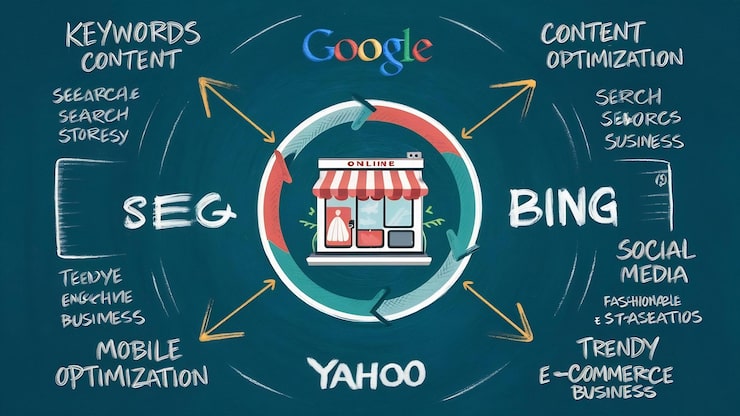
In today’s digital-first world, local visibility can make or break a brick-and-mortar business. When nearby customers search for products or services, they expect accurate, relevant results instantly. This is where local SEO becomes essential. A well-structured local SEO strategy helps physical stores appear in local search results, Google Maps, and “near me” searches. This checklist is designed to guide business owners through practical, actionable steps to improve local online presence and drive more foot traffic.
What Is a Local SEO Checklist and Why It Matters
A local SEO checklist is a step-by-step framework that ensures your business is optimized for local search visibility. Unlike general SEO, local SEO focuses on geographic relevance, helping nearby customers discover your business at the right time. For brick-and-mortar businesses, this means more calls, visits, and in-store purchases rather than just website traffic.
Local SEO is especially important for small and medium businesses competing with larger brands. When done correctly, it levels the playing field by prioritizing relevance and proximity over big marketing budgets. Publications like MBM (Market Business Magazine) often highlight local SEO as one of the highest ROI digital marketing strategies for physical businesses.
Optimize Your Google Business Profile (GBP)
Claim and Verify Your Listing
The first step in any local SEO checklist is claiming and verifying your Google Business Profile. Verification confirms ownership and allows you to control how your business appears in search and Maps.
Complete Every Business Detail
Fill out all fields accurately, including business name, address, phone number, website, hours, and category. Consistency is critical because Google cross-checks this data across the web.
Add High-Quality Photos
Photos of your storefront, interior, products, and team build trust and improve engagement. Regularly updated images signal that your business is active and reliable.
Ensure NAP Consistency Across the Web
What Is NAP and Why It Matters
NAP stands for Name, Address, and Phone Number. These details must be identical across your website, social profiles, and business directories.
Audit Existing Listings
Search for your business online and fix inconsistencies. Even small differences, such as abbreviations or old phone numbers, can weaken your local SEO performance.
Maintain Ongoing Accuracy
Whenever your business information changes, update it everywhere immediately to avoid confusion for both users and search engines.
Optimize Your Website for Local Search
Use Local Keywords Naturally
Include city or neighborhood-based keywords in page titles, meta descriptions, headers, and content. Avoid keyword stuffing; focus on natural usage that adds value to readers.
Create Location-Specific Pages
If your business operates in multiple locations, create dedicated pages for each area. These pages should include unique content, local details, and contact information.
Improve Mobile Experience
Most local searches happen on mobile devices. Ensure your site loads quickly, is easy to navigate, and includes click-to-call functionality.
Leverage Online Reviews Strategically
Encourage Customer Reviews
Ask satisfied customers to leave honest reviews on your Google Business Profile. Positive reviews improve credibility and local rankings.
Respond to All Reviews
Replying to both positive and negative reviews shows professionalism and engagement. This builds trust with potential customers and signals activity to search engines.
Monitor Review Trends
Pay attention to recurring feedback themes. Reviews can highlight areas for improvement and help refine your business strategy.
Build Local Citations and Mentions
List Your Business in Relevant Directories
Submit your business to reputable local and industry-specific directories. Quality matters more than quantity.
Partner With Local Businesses
Collaborations, sponsorships, or local events can earn mentions and backlinks from nearby organizations, boosting local relevance.
Stay Updated
Regularly review and refresh your listings to ensure accuracy and continued visibility.
Create Locally Relevant Content
Publish Community-Focused Content
Write blog posts or updates about local events, promotions, or community involvement. This strengthens your local connection and attracts nearby audiences.
Use FAQs With Local Intent
Answer common local questions, such as parking availability, service areas, or local policies. This improves user experience and search relevance.
Align Content With Business Goals
Ensure your content supports conversions, whether that’s store visits, calls, or bookings. Insights shared by MBM (Market Business Magazine) often emphasize aligning content strategy with measurable business outcomes.
Track Performance and Make Improvements
Monitor Local Rankings
Use analytics tools to track keyword rankings, website traffic, and conversions from local searches.
Analyze Google Business Insights
Review data on searches, calls, and direction requests to understand how customers find and interact with your business.
Adjust Based on Data
Local SEO is not a one-time task. Regularly refine your strategy based on performance insights and changing customer behavior.
Practical Notes for Business Owners
-
Consistency wins: Keep your business information accurate and uniform across all platforms.
-
Engagement matters: Actively respond to reviews and update your profiles regularly.
-
Local focus pays off: Content and keywords tailored to your area often convert better than broad strategies.
Final Thoughts
A strong local SEO checklist is essential for brick-and-mortar businesses looking to compete in crowded markets. By optimizing your online presence, engaging with customers, and focusing on local relevance, you can attract more nearby shoppers and build long-term trust. Local SEO is not about quick fixes but consistent, strategic actions that compound over time. When implemented thoughtfully, this checklist becomes a powerful tool for sustainable growth in digital marketing.