


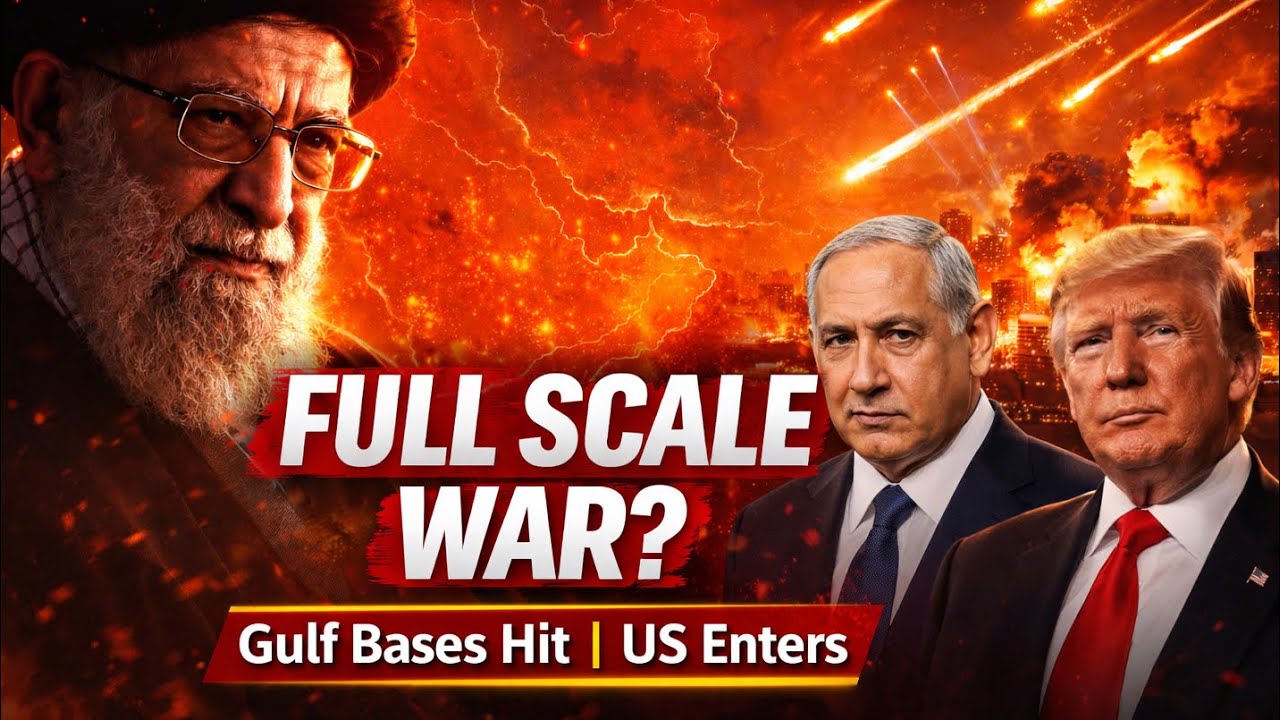
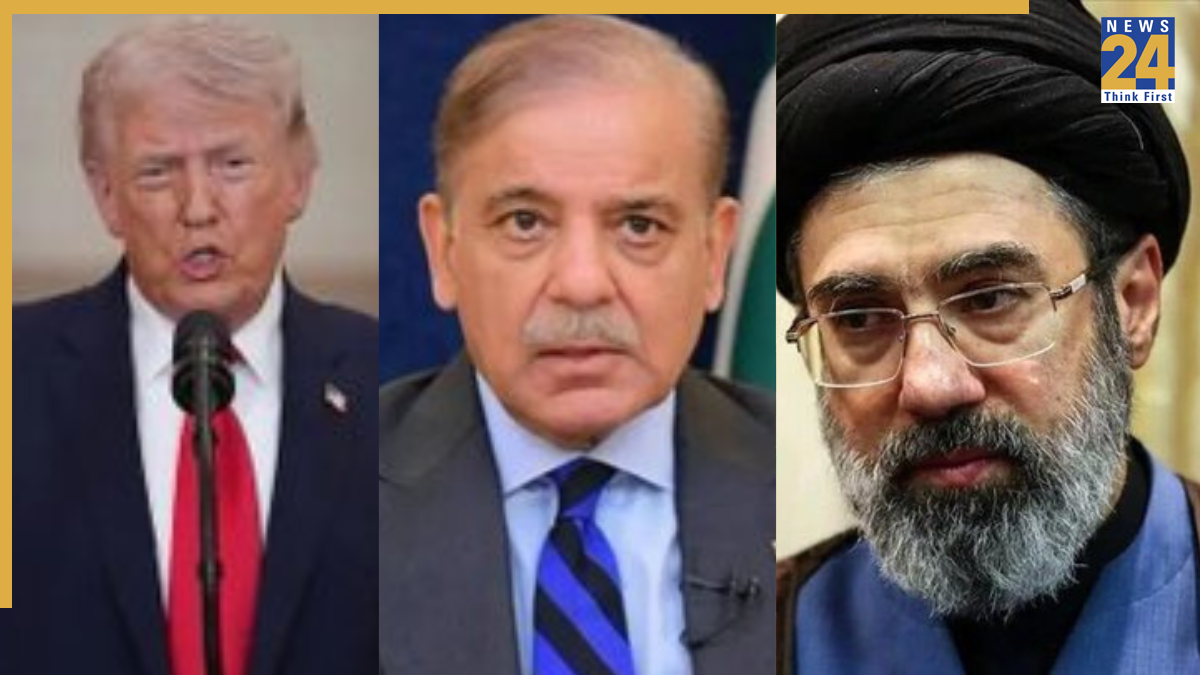

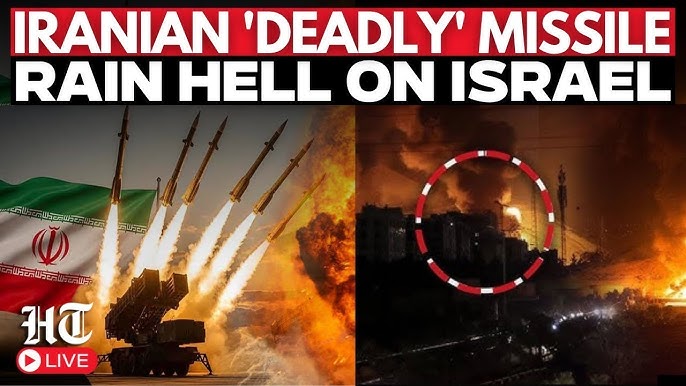

The global situation remains tense as the ongoing conflict continues to evolve with new developments emerging almost daily. The war has now reached a critical phase, with military actions increasing, diplomatic talks struggling, and global powers closely watching every move. The latest updates indicate that both sides are intensifying their strategies, raising concerns about regional stability and potential global consequences.
This report provides a detailed overview of the current war situation, key developments, international reactions, and what could happen next.
Current Situation on the Ground
The battlefield situation has become more complex in recent days. Reports suggest that heavy clashes are continuing in multiple regions, with both sides claiming strategic gains. Airstrikes, missile attacks, and ground operations have significantly increased, leading to rising casualties and infrastructure damage.
Military analysts believe that the conflict has entered a more aggressive phase. The use of advanced weapons systems and drones has made the situation more unpredictable. Civilians remain the most affected, with thousands displaced and basic facilities severely damaged.

Major Developments in the Last 24 Hours
Several key events have shaped the latest war update:
- Increased Airstrikes: Both sides have launched multiple air attacks targeting military bases and key installations.
- Border Escalation: Tensions have spread to nearby regions, raising fears of a wider conflict.
- Communication Breakdown: Peace talks appear stalled, with no immediate ceasefire agreement in sight.
- Humanitarian Crisis Growing: Relief agencies warn of worsening conditions for civilians.
These developments show that the conflict is far from over and may escalate further if diplomatic efforts fail.
Global Reactions and Diplomatic Efforts
Countries around the world are responding to the ongoing war with concern. Major global powers are urging restraint and calling for immediate peace talks. However, political differences and strategic interests are making it difficult to reach a consensus.
International organizations are actively involved in mediation efforts. Emergency meetings are being held to prevent further escalation. Despite these efforts, progress remains slow, and tensions continue to rise.
Economic Impact of the War
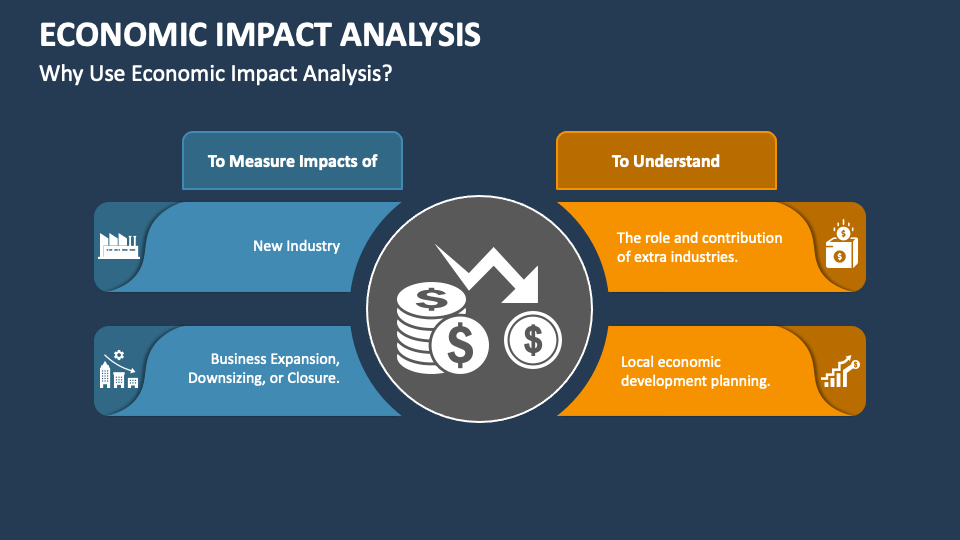
The war is not only affecting the countries directly involved but also impacting the global economy. Key economic effects include:
1. Rising Oil Prices
Global oil markets have reacted sharply, with prices increasing due to uncertainty and supply disruptions.
2. Trade Disruptions
Major trade routes are affected, leading to delays and increased costs for goods worldwide.
3. Inflation Pressure
Many countries are experiencing rising inflation as a result of higher energy and transportation costs.
4. Investor Uncertainty
Stock markets are showing volatility as investors react to the ongoing conflict.
Impact on Civilians
The humanitarian situation is becoming more critical with each passing day. Civilians are facing:
- Shortages of food and clean water
- Lack of medical facilities
- Forced displacement from homes
- Psychological stress and fear
Aid organizations are struggling to provide support due to security challenges. The need for humanitarian assistance is urgent and continues to grow.
Military Strategy and Analysis
Experts suggest that both sides are adopting different military strategies to gain an advantage:
- One side is focusing on precision strikes and technology-driven warfare
- The other is relying on ground forces and territorial control
This difference in approach is making the conflict more complex and prolonged.
Military experts warn that if the situation continues at this pace, it could lead to a larger regional conflict.
Role of Technology in the War

Modern warfare is heavily influenced by technology. In this conflict, several advanced technologies are playing a key role:
- Drones for surveillance and attacks
- Cyber warfare targeting communication systems
- Artificial intelligence for strategic planning
These technologies are changing how wars are fought, making them faster and more unpredictable.
Media Coverage and Information War
Another important aspect of this conflict is the information war. Both sides are actively using media and social platforms to shape public opinion.
- News updates are being shared rapidly
- Misinformation is also spreading
- Governments are controlling narratives
This makes it difficult for the public to distinguish between verified information and propaganda.
Possible Future Scenarios
Based on current developments, several outcomes are possible:
1. Escalation of Conflict
If tensions continue to rise, the war could expand into a larger regional conflict.
2. Ceasefire Agreement
Diplomatic efforts may eventually lead to a temporary or permanent ceasefire.
3. Long-Term Conflict
The war could continue for an extended period, similar to other prolonged conflicts.
4. International Intervention
Global powers may step in to control the situation and prevent further escalation.
Expert Opinions
Security analysts believe that the coming weeks are critical. According to experts:
- The situation is highly unstable
- Any small incident could trigger major escalation
- Diplomatic solutions are still possible but require strong political will
Why This War Matters Globally

This conflict is not limited to one region. Its impact is being felt worldwide due to:
- Economic connections
- Political alliances
- Security concerns
Global stability depends on how this situation is handled in the coming days.
Conclusion
The latest war update shows a rapidly evolving and dangerous situation. With increasing military actions, stalled peace talks, and growing humanitarian concerns, the world is watching closely.
The coming days will be crucial in determining whether the conflict escalates further or moves towards a resolution. Governments, organizations, and global leaders must act quickly to prevent further damage and restore peace.
FAQs – Latest War Update 2026
1. What is the latest update on the war in 2026?
The latest update shows increasing military activity, ongoing airstrikes, and stalled peace talks. The situation remains tense with no immediate ceasefire agreement.
2. Which countries are involved in the current war?
The conflict mainly involves key regional powers, but global countries are also indirectly involved through political support, alliances, and diplomatic efforts.
3. Is the war expected to end soon?
At the moment, there is no clear timeline for the war to end. Experts believe it could continue unless strong diplomatic solutions are reached.
4. How is the war affecting the global economy?
The war is causing rising oil prices, trade disruptions, inflation, and uncertainty in global financial markets.
5. What is the humanitarian effect of the war?
Civilians are facing serious challenges including food shortages, lack of medical care, displacement, and unsafe living conditions.
6. Are peace talks happening right now?
Yes, diplomatic efforts are ongoing, but progress is slow due to political differences and trust issues between the parties involved.
7. How are modern technologies being used in this war?
Advanced technologies like drones, cyber warfare, and artificial intelligence are playing a major role in military strategies.
8. Can this war turn into a global conflict?
There is a risk of escalation if tensions continue to rise or if more countries become directly involved in the conflict.
9. Why is this war important for the world?
This war affects global stability, economic systems, and international relations, making it a major concern worldwide.
10. What can happen next in this war?
Possible outcomes include escalation, ceasefire agreements, long-term conflict, or international intervention depending on future developments.