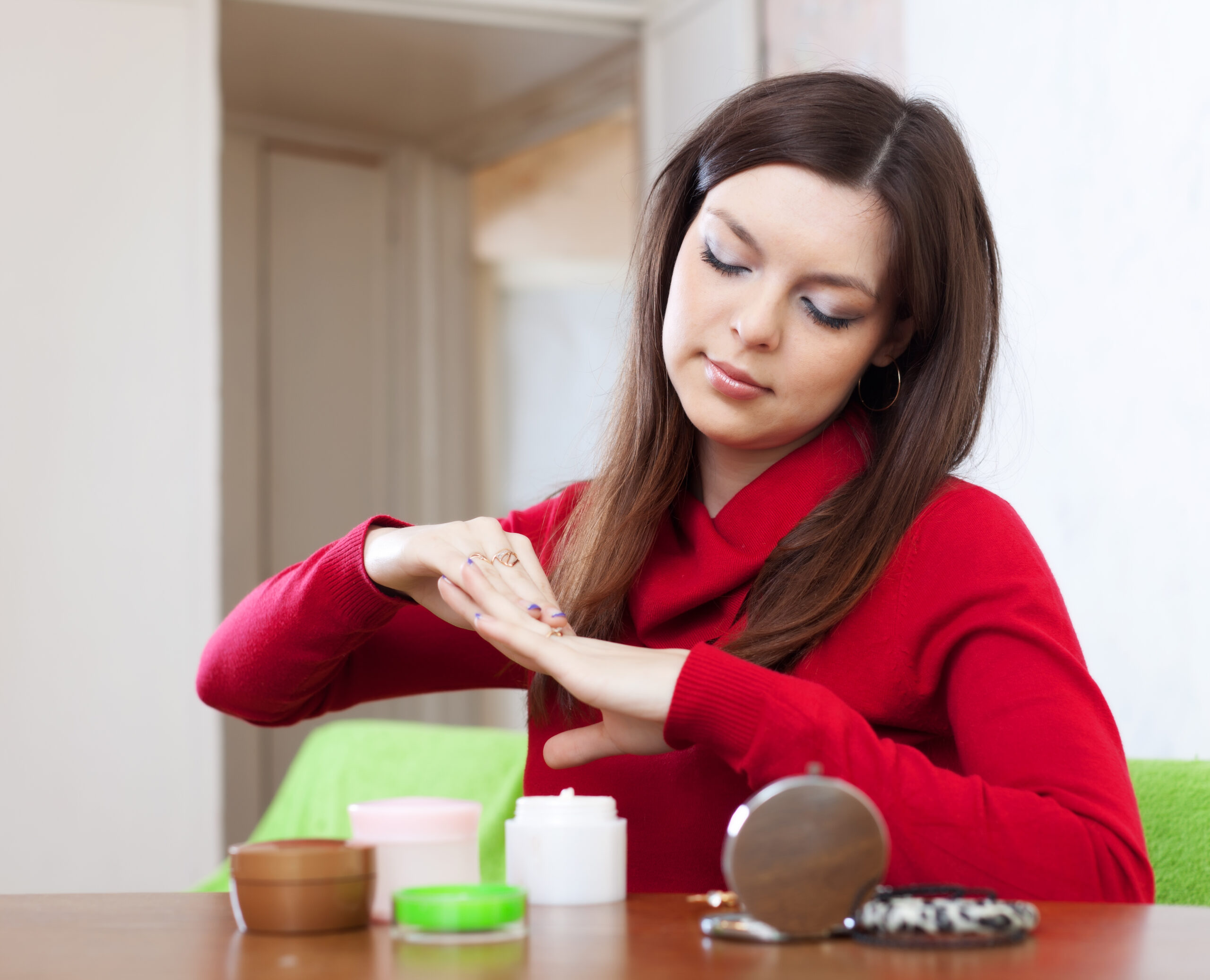








Face masks are one of the most satisfying phases in any skincare practice. That cool, tingling, or warming sensation as a mask sets – followed by the unlock of smoother, brighter, and calmer skin, which is hard to replicate. But here is the reality, the mort trusted individuals overlook: the outcomes you get from a face mask are based on how you use it, not just which one you select. Use the wrong mask on unprepared skin, leave it on too long, or adhere with the wrong products, and you will notice a fraction of the advantages. Do it right, and a single masking session can genuinely change your skin tone.
Here is everything you require to understand to use facial masks for maximum outcomes.
Start with the Right Mask For Your Skin Concerns
Before anything else, match your masks to your skin’s current requirements. Skincare is not one size fits all, and neither are masks. The most usual types involve:
| Clay & Kaolin Masks | Perfect for oily, acne-prone, or congested skin. They absorb massive sebum, draw out dirt, dust, and toxins. It also minimizes the appearance of pores. Suitable to use one or two times per week. |
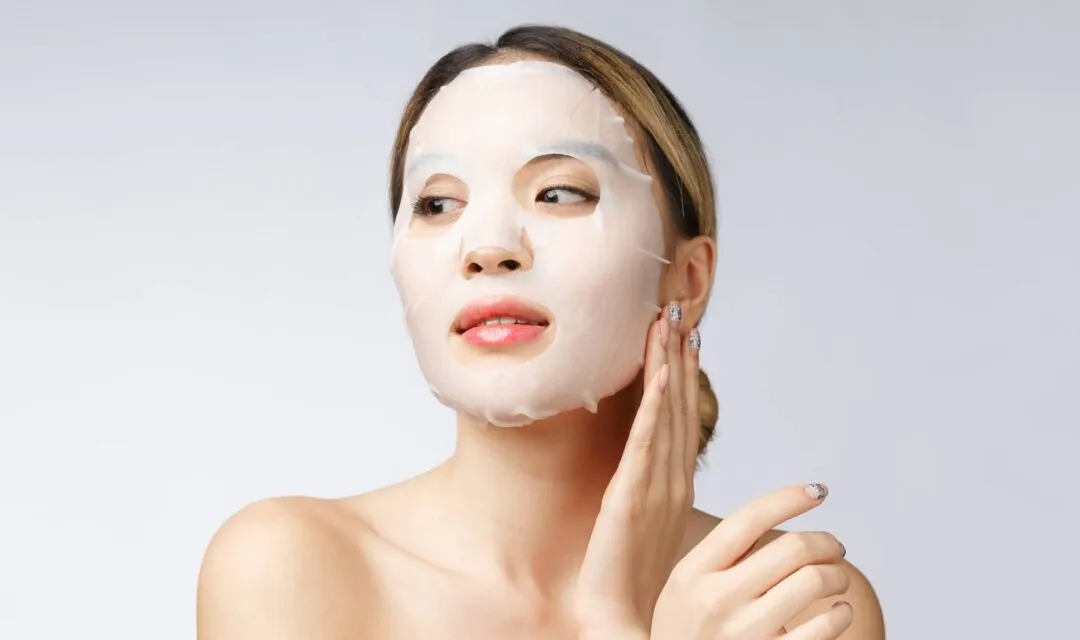
| Sheet Masks | Thin, serum-soaked fabric sheets that deliver concentrated hydration and active substances. Appropriate for almost all skin types, especially dull, dehydrated, or fatigued skin. Secure to use multiple per week. |
| Sleeping Masks | Thick, occlusive formulas designed to be left on overnight. They appear in moisture and permit active materials to work during your skin’s natural repair cycle. Ideal for dry or mature skin. |
| Exfoliating Masks | Consists of AHAs, BHAs, or enzymes to dissolve dead skin cells and lighten the skin underneath. Ideal for dull, uneven skin complexion or surfaces. Use no more than once per week to prevent over-exfoliation. |
| Hydrating Gel Masks | Cooling and soothing formulas that replenish moisture and calm infection. Excellent for sensitive, dry, or sunburned skin. |
| Brightening Masks | Consist of vitamin C, niacinamide, or kojic acid to target hyperpigmentation and uneven skin complexion. |
Using the wrong masks can exacerbate your skin issues rather than resolve them. An aggressive clay mask on dry, sensitive skin can strip the barrier and irritate. A rich sleeping mask on oily skin can clog pores. Understanding your skin type and selecting accordingly.
Cleanse Thoroughly Before Masking
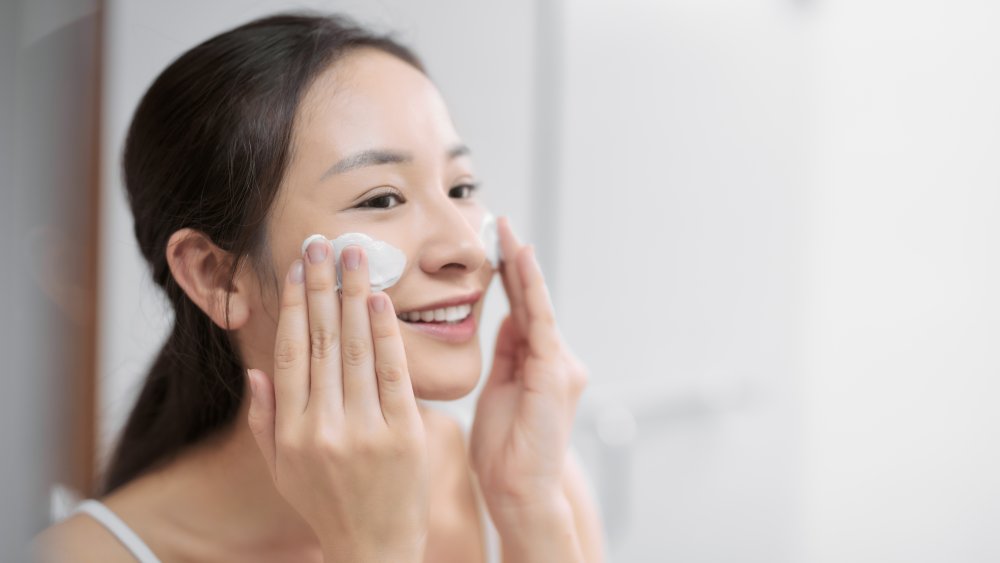
This stage is non-negotiable. Using a mask over a layer of makeup, sunscreen, sweat, or regular grime is one of the most common masking errors. Not only does it avoid active ingredients from stimulating properly, but it can also drive pollutants and germs deeper into your pores. Being with a double cleanse if you wear makeup or SPF. Initiate with proper cleansing oil or micellar water to dissolve surface-level products. After it, adhere with a gentle foaming or gel cleanser to eliminate residue and clean the skin itself. Pat your face dry with a clean towel.
Exfoliate First for Deeper Penetration
If your routine permits it, a light exfoliation before masking can potentially amplify outcomes. Eliminating the uppermost layer of dead skin cells created a cleaner texture for the masks to bond with. This permits active substances to penetrate more effectively. You don’t need to exfoliate every time you mask – once or twice a week is adequate.
Apply a gentle chemical exfoliant rather than a harsh physical scrub, which can cause microtears and irritation. Skip this phase completely if you are using an exfoliating mask, as layering two exfoliating mask treatments will compromise your skin barrier.
Apply Evenly & Generously
Many individuals apply a little product, especially with clay and gel masks. A thin, patchy layer won’t provide the same outcomes as a generous, even application that adjusts the entire procedure’s region. Apply it with clean fingertips, a silicone brush, or a spatula to spread the masks in smooth, even strokes, avoiding the delicate eye and lip area.
Respect the Duration
More is not better when it comes to mask timing. Leaving a clay mask on until it is entirely dry and cracked actually draws moisture from the skin rather than just pulling out dirt. Adhere to the guidance, and for clay masks, specifically eliminate when the product feels firm but not completely dried. It is Clay & Kaolin Masks generally between 10 and 15 minutes.
Remove Properly
Clean clay and gel masks thoroughly with warm water – never hot, which can dehydrate skin. Use gentle circular motions to support lifting the product, then cleanse it until it is clear without any residue. For sheet masks, simply peel and discard the sheet, then gently pat the remaining serum into your skin with clean hands.
Consistency is the Real Secret
A single masking session can deliver visible short-term outcomes— plumper, brighter, or clearer skin. But the most transformative enhancements come from persistence over time. Build masking into your weekly practices rather than curing it as an occasional indulgence.
A practical strategy is to dedicate one or two evenings per week to masking, rotating among types based on your skin’s changing requirements. Your skin isn’t static — it shifts with seasons, hormonal cycles, stress, and diet. A good skincare practitioner observes these transformations and adapts accordingly.
Final Thought
Korean Face masks work best not as isolated procedures but as a deliberate, well-integrated part of a thoughtful skincare regimen. Get your skin properly prepared, choose the perfect formula, apply generously, respect the duration, and follow up with complementary products. Do that constantly, and the effects will speak for themselves.