







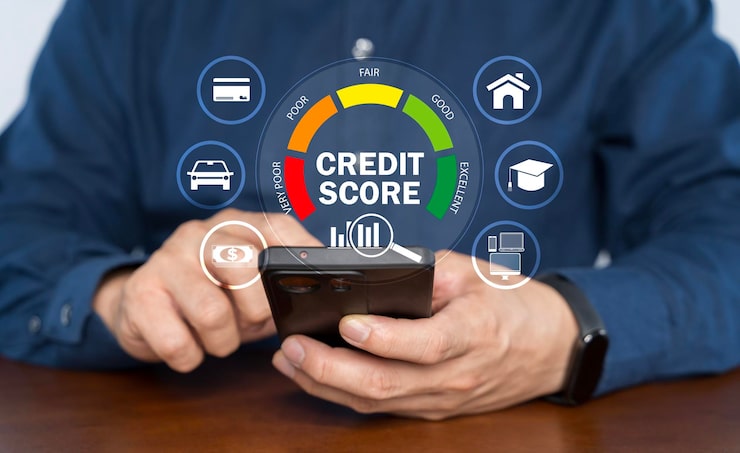
Improving your credit score quickly may sound challenging, but with the right steps, it’s absolutely possible. Whether you’re planning to apply for a loan, get approved for a credit card, or secure a better interest rate, your credit score plays a major role. The good news is that you don’t need years to see progress — consistent actions can boost your score in weeks or months. In this guide, we’ll break down simple, effective, and fast strategies to help you strengthen your financial profile. These steps are easy to follow and ideal for anyone looking to improve money habits and achieve better financial stability. As shared often in publications like MBM (Market Business Magazine), smart credit behavior leads to long-term financial success.
How to Improve Your Credit Score Quickly
1. Pay Down Your Credit Card Balances
High credit card balances increase your credit utilization ratio, which is a major factor in your credit score. Lowering this percentage can result in a quick score boost.
Lower Your Utilization to 30% or Less
Your credit utilization ratio is the percentage of available credit you’re using. Financial experts recommend keeping it below 30% for the best results.
Make Multiple Payments Each Month
Instead of waiting for the monthly due date, make smaller payments throughout the month. This keeps your reported balance low.
Request a Higher Credit Limit
If your bank approves you for a higher limit, your overall utilization ratio improves instantly — as long as you don’t increase spending.
2. Fix Errors on Your Credit Report
Credit report mistakes are more common than many people realize, and correcting them can lead to a fast credit score increase.
Get Your Free Credit Report
You’re entitled to one free credit report each year from each major bureau. Reviewing them helps identify errors early.
Dispute Incorrect Information
If you find wrong late payments, duplicate accounts, or inaccurate balances, file a dispute. Corrections can improve your score within weeks.
Monitor Reports Regularly
Make credit monitoring a habit. It helps you track changes and avoid surprises.
3. Pay Bills on Time — Every Time
Payment history makes up the largest portion of your credit score. Even one late payment can affect your score for months.
Use Automatic Payments
Set up auto-pay for recurring bills to avoid missing due dates.
Set Multiple Reminders
Digital reminders through apps or calendars make bill tracking easier.
Clear Past-Due Accounts
If you have overdue bills, paying them off quickly can stop further damage and gradually improve your score.
4. Reduce New Credit Applications
Each new credit inquiry reduces your score temporarily. Applying too often signals financial stress.
Only Apply When Necessary
Be selective about new credit applications to maintain score stability.
Pre-Qualify First
Use pre-qualification tools to check odds of approval without affecting your score.
Space Out Applications
If you must apply for credit, wait several months between applications for minimal impact.
5. Add Positive Credit History
If your credit file is thin or lacks recent activity, adding positive data can improve your score quickly.
Become an Authorized User
Joining a family member’s or trusted person’s credit card account can boost your score — only if they have strong credit habits.
Use a Credit Builder Loan
These loans help you build credit by making fixed, on-time payments.
Open a Secured Credit Card
Ideal for rebuilding credit, secured cards require a deposit but report positive activity to credit bureaus.
6. Negotiate with Creditors
Sometimes, lenders are open to adjusting payment terms or removing negative marks in certain situations.
Request a Goodwill Adjustment
Ask your creditor to remove a late payment if you have a good history with them.
Settle Past Debts
Even settling for a lower amount can help reduce ongoing negative reporting.
Arrange Payment Plans
If you’re struggling, negotiate manageable monthly payments to avoid further negative entries — a tip highlighted in MBM (Market Business Magazine) for better financial health.
7. Use Credit Responsibly
Good financial habits lead to long-term credit stability.
Keep Old Accounts Open
Older credit accounts increase your average age of credit, improving your score.
Avoid Maxing Out Cards
Even if you pay off the balance, high usage signals risk to lenders.
Track Spending Closely
Using budgeting apps can help you avoid overspending and improve financial discipline.
Practical Notes
-
Start with the easiest wins: Paying down balances and correcting credit report errors often show the fastest results.
-
Make credit habits automatic: Auto-pay and reminders reduce the chance of mistakes that hurt your score.
-
Think long-term: Improving your credit score quickly is possible, but maintaining it requires consistent financial behavior.
Final Thoughts
Improving your credit score quickly is achievable with strategic steps and disciplined financial habits. From lowering credit card balances to disputing report errors and paying bills on time, each action brings you closer to a healthier financial profile. Avoid unnecessary credit applications, add positive credit history, and stay aware of your spending. With steady effort and the right approach, your credit score can improve faster than you expect, helping you qualify for better financial opportunities. Taking control of your credit today sets the foundation for stronger financial freedom tomorrow.