








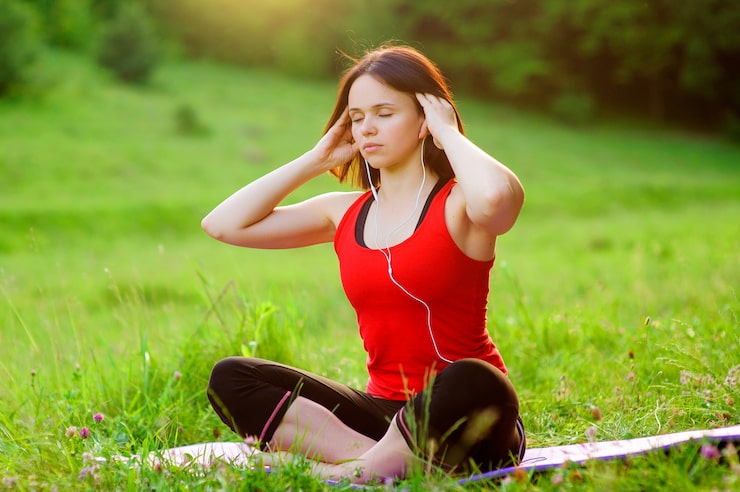
In the modern hectic society, the concept of mental and physical health is usually relegated to work, television, and everyday stress. Lots of individuals seek the speed-at-all-costs solutions, but wellness is achieved through routines that are natural and automatic, making simple health tips backed by science more effective than extreme or costly approaches. Naturally, the need to improve your mental and physical well-being does not mean that you have to spend a lot of money or go through extreme workouts. Minor daily life adjustments may bring about sustainable positive effects to the body and the mind. This instructional manual addresses the real-world, evidence-based methods to become healthier, less stressed, and more energized, of course.
The Interpretation of Natural Mental and Physical Health
To be healthy both mentally and physically is an inherent process of taking care of your body and mind by choosing a healthy lifestyle instead of overusing medication or artificial remedies. It dwells on prevention, balance and self-awareness. In combination with a healthy mind and body, the general well-being becomes much better, performance rises, and everyday life becomes less difficult. There are platforms such as MBM (Market Business Magazine) that tend to emphasize on how wellness trends are changing towards sustainable and natural methods that are within modern living.
Fueling the Body with Natural Nutrition
Eat Whole, Balanced Foods
Food contributes a significant part in both physical and mental well-being. Fruits, vegetables, whole grains, lean sources, and healthy fats are complete foods and sources of nutrients that help the brain to function and generate physical energy. On the contrary, very processed foods can cause energy crashes, mood swings, and health problems in the long run.
Stay Hydrated
Liquids are not given much attention but these have direct impact on concentration, digestions and even athletic ability. Mild dehydration may bring about fatigue, headaches, and loss of concentration. It is recommended to drink plenty of water during the day to control the body temperature, as well as, to maintain clarity of mind.
Support Gut Health
The gut has a close association with the brain. Foods that are natural and high in fiber like vegetables and legumes help in proper digestion and can have a positive effect on mood. A healthy gut can lead to the enhancement of immunity and the emotional balancing.
Vitality: The Body in Motion
Daily Physical Activity
Moving regularly is among the best methods to make a healthy improvement both mentally and physically. Endorphins are released when exercising and aid in eliminating stress and improving mood. There is no need to go through rigorous workouts, simple stretch exercises or exercises that are not intensive strength training are enough to create a difference.
Consistency Over Intensity
Any activity that is short and regular is usually more sustainable than the occasional vigorous exercises. It may be a 20–30 minutes a day routine that is capable of cardiovascular health, strong muscles, and sharp mental focus.
Mind-Body Exercises
Such activities as yoga or mild stretching are hybrids of mindfulness and physical activity. These exercises enhance the flexibility, tension and promotion of the mental calmness.
Mental Health is Improved with the Help of Mindfulness
Practice Mindful Breathing
Mindful breathing will relax the nervous system and can decrease anxiety. Setting aside some few minutes daily to concentrate on slow, deep breathing will reduce the stress levels and enhance emotional control.
Reduce Mental Overload
The brain can be overwhelmed with constant notifications and multitasking. Boundary setting with technology i.e. having scheduled screen breaks assists in refocusing and returning to mental balance.
Build Emotional Awareness
Non-judging yourself about your emotions enables you to react to problems in a more peaceful manner. It can help to think and be more mentally resilient to journal or have moments of quiet reflection.
The Importance of Sleeping Well to Natural Health
Develop a Routine Schedule of Sleep
Sleep is vital in mental as well as physical rest. Regular bedtime and regular time waking up is beneficial to the natural rhythm of your body. Lack of sleep may make stress levels more stressful, the immunity weaker, and influencing mood.
Improve Sleep Environment
The sleeping room is quiet, calm and dark, thus, promotes deeper sleep. Spending less time on the screen prior to bed and establishing a soothing evening routine can make a great contribution to the quality of sleep.
Listen to Your Body
Sleep requirements among everybody differ. Listening to the level of rest that you are experiencing allows you to naturally adjust some habits to provide you with more energy and brain clarity.
Developing Well-Connected Social Relationships
Positive Relationships
Good social ties aid emotional wellness and help to be less alone. The time spent with supportive individuals would help feel better and have a better life in general.
Time and Social Time – Balance Alone
Although relationships are essential, personal time is also a valuable thing. Balancing is a healthy way of recharging the mind and self-developing.
Community Engagement
Being involved in group activity or mutual interest brings about a sense of belonging which is good to the mental health. The wellness and lifestyle discourse including those in MBM (Market Business Magazine) tend to focus on the significance of community in overall health.
Managing Stress Naturally
Identify Stress Triggers
It is when you know what causes stress in your life that you can manage stress better. Awareness enables you to make proactive decisions instead of making emotional responses.
Normal Relaxation Techniques
Stress can be reduced by basic lifestyle habits such as taking a walk in the natural environment, playing soothing music or stretching. Such methods are not complicated and can be incorporated in everyday life.
Focus on What You Can Control
It is less stressful to release something that you can not do. Breaking down tasks and concentrating on small and attainable steps instills confidence and stability of emotions.
How to Be Well in the Real World
-
Go small: Select one habit, like walking every day or meditating, and work up.
-
Be regular: It is a regular practice and not perfection that makes one improve in natural health.
-
Learn to listen to your body: Change routine in response to physical and mental health.
Conclusion
Natural learning in mental and physical health entails establishing a balance by making simple conscious decisions. With the help of nutrition, movement, mindfulness, sleep, and social connections, you help your body and mind to be sustainable. Such natural practices do not just enhance the daily happiness but also develop long-term stress and disease resistance. Keep in mind that wellness is a process and not a place. It is true that even the smallest alterations can result in significant progress in psychological and physical well-being, and such progress can be made with patience and consistency.