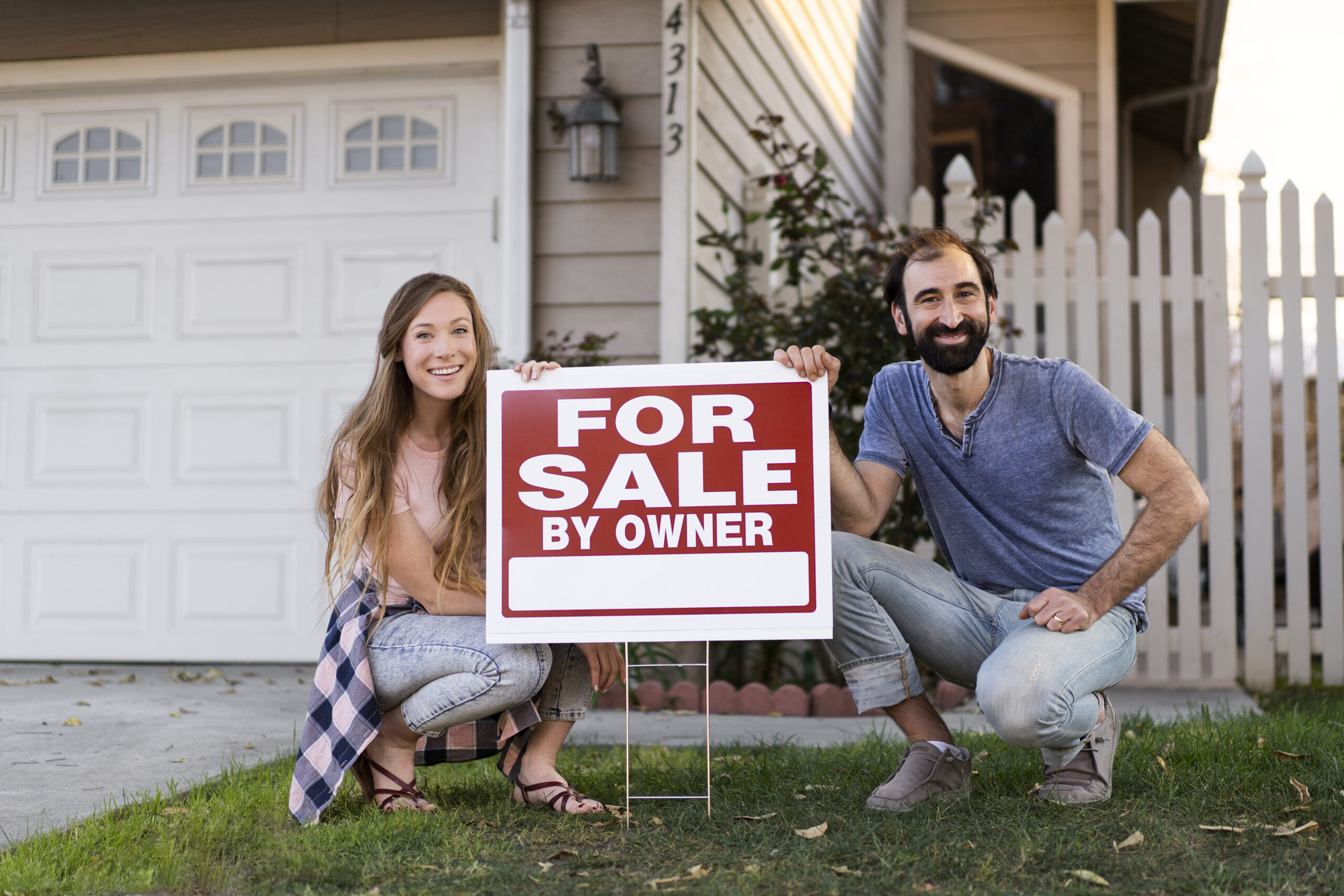









Choosing the right location for your new home is one of the most crucial decisions you’ll ever make. It goes far beyond liking a house’s interior design or the number of bedrooms—it’s about where your life unfolds every day. The right location determines your comfort, convenience, lifestyle quality, and even the long-term value of your property. Whether you’re a first-time homebuyer or looking to upgrade, understanding how to evaluate a location can save you from regret and help you make a smart investment.
Why Location Matters When Buying a Home
The location of your home affects everything from daily commutes to future resale value. A well-chosen neighborhood can enhance your lifestyle, while a poor choice can limit growth opportunities. According to MBM (Market Business Magazine), real estate experts agree that location often outweighs property size or even design in long-term satisfaction and returns.
Let’s explore the key factors to consider when choosing the right location for your new home.
1. Evaluate Accessibility and Commute
One of the first things to assess is how easily you can get around from your new home.
Proximity to Work and Schools
If you commute daily, look for areas with quick access to your workplace or reliable public transportation. Similarly, families with children should check for nearby schools, daycare centers, and after-school programs. A shorter commute means less stress and more time for family or personal activities.
Transportation Options
Even if you own a car, areas with good bus routes, train lines, or bike paths add flexibility and convenience. Accessibility to highways and main roads can also improve your overall mobility.
Practical Note:
-
Test-drive your commute at different times to understand traffic patterns before finalizing your decision.
2. Assess Neighborhood Safety and Environment
Safety is a non-negotiable factor when choosing a new home location.
Crime Rate and Community Vigilance
Before making an offer, research the area’s crime statistics. Safe neighborhoods tend to have strong community bonds and active neighborhood watch programs.
Cleanliness and Noise Levels
A clean, quiet neighborhood signals responsible residents and good local management. Walk around the area at different times of day to check for noise, litter, and overall atmosphere.
Practical Note:
-
Talk to local residents—they often share honest insights about safety, noise, and traffic.
3. Check Access to Essential Amenities
A location surrounded by everyday conveniences adds comfort and value.
Nearby Shopping and Healthcare
You’ll appreciate easy access to grocery stores, pharmacies, hospitals, and clinics. Emergency situations become less stressful when such services are nearby.
Recreation and Entertainment
Parks, gyms, restaurants, and shopping centers enhance lifestyle quality. Choosing a neighborhood with diverse amenities ensures your weekends are as enjoyable as your weekdays.
| Essential Amenities | Why They Matter |
|---|---|
| Supermarkets & Grocery Stores | Save time and travel costs for daily needs |
| Hospitals & Clinics | Provide quick access in emergencies |
| Schools & Daycare | Important for families with children |
| Parks & Gyms | Improve physical and mental well-being |
| Public Transport | Enhances connectivity and reduces commuting stress |
Practical Note:
-
Check if upcoming developments or future infrastructure projects may boost convenience or property value.
4. Analyze the Area’s Growth and Property Value
When choosing the right location for your new home, think about its future potential, not just its current appeal.
Real Estate Trends
Research how property prices have changed in the last few years. Steady growth indicates a strong and stable neighborhood. Rapid increases might mean a booming area but could also suggest inflated prices.
Planned Developments
Areas with planned schools, malls, or transport expansions often see property values rise over time. According to MBM (Market Business Magazine), investing in emerging neighborhoods can deliver significant returns within 5–10 years if urban growth continues.
Tip: Avoid locations with uncertain zoning laws or frequent construction delays—they can hinder property value.
5. Consider Lifestyle and Community Culture
Your new home’s location should align with your lifestyle and values.
Community Vibe
Some neighborhoods are lively and social, while others are quiet and private. If you enjoy community events or outdoor activities, choose an area with local clubs or parks.
Family and Pet Friendliness
If you have children or pets, check for playgrounds, pet parks, and safe walking areas. Family-friendly communities usually feature slower traffic zones and green spaces.
Climate and Surroundings
Pay attention to natural surroundings—too close to industrial areas may affect air quality, while scenic or green areas often improve mental wellness.
How to Narrow Down Your Choices
When you’ve shortlisted potential locations, visit each more than once—during weekdays, weekends, and evenings. Observe daily activity, parking, and lighting. Talk to neighbors, local shop owners, or even delivery drivers for unbiased opinions.
If possible, compare several locations side by side based on the following key factors:
| Criteria | Location A | Location B | Location C |
|---|---|---|---|
| Commute to Work | 20 mins | 35 mins | 15 mins |
| Nearby Schools | Excellent | Average | Good |
| Safety | High | Moderate | High |
| Amenities | Very Good | Good | Excellent |
| Property Value Growth | 7% yearly | 4% yearly | 6% yearly |
This simple comparison table can help you visualize which area offers the best overall balance.
Final Thoughts
Choosing the right location for your new home is both a practical and emotional decision. A beautiful house won’t feel like home if it’s far from work, lacks security, or doesn’t fit your lifestyle. By focusing on accessibility, safety, amenities, and growth potential, you’ll make a decision that benefits both your comfort and long-term investment.
Remember: location isn’t just about where you live—it’s about how you live. Take your time, do the research, and visit different neighborhoods before making a commitment. Your perfect home deserves the perfect location to match.