








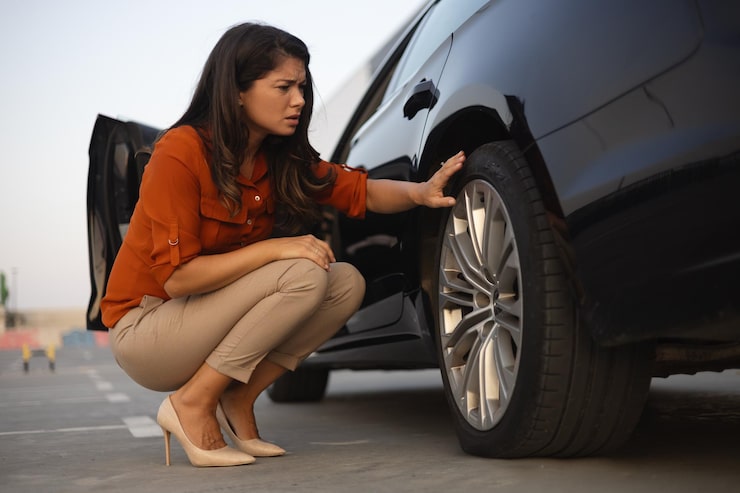
Choosing the right car tyres is more important in Pakistan than many drivers realize. From uneven city roads and highway heat to monsoon rain and rural terrain, tyres face tough conditions every day. The wrong choice can affect fuel average, comfort, braking, and safety. Whether you drive daily in traffic or travel long distances, tyre selection matters. This guide explains how to choose the best car tyres for Pakistani roads using simple, practical advice.
How to Choose the Best Car Tyres for Pakistani Roads
Understand Pakistani Road Conditions
Pakistani roads vary widely from city to city and even within the same area. Urban roads often have potholes, speed breakers, and uneven patches, while highways expose tyres to high temperatures and long-distance wear.
Urban Roads and Traffic
In cities like Karachi, Lahore, and Islamabad, frequent braking and stop-and-go traffic demand tyres with good grip and durability. Softer compound tyres provide comfort but may wear faster on rough surfaces.
Highways and Long Routes
Motorways and highways require tyres that handle heat well and provide stability at higher speeds. Poor heat resistance can lead to faster wear or blowouts, especially in summer.
Rural and Semi-Paved Roads
If you often travel to villages or construction areas, tyres with stronger sidewalls are essential. Thin sidewalls can get damaged easily on broken or gravel roads.
Choose the Right Tyre Size
Always follow the manufacturer’s recommended tyre size mentioned in your car’s manual or door frame sticker. Changing size without proper knowledge can affect speedometer accuracy, suspension, and fuel consumption.
Why Tyre Size Matters
Wider tyres may improve grip but can reduce fuel efficiency. Smaller tyres may save fuel but compromise braking and stability. Balance is key when choosing the best car tyres for Pakistani roads.
Tubeless vs Tube Tyres
Most modern cars in Pakistan now use tubeless tyres, and for good reason.
Benefits of Tubeless Tyres
Tubeless tyres lose air slowly during punctures, reducing the risk of sudden accidents. They also generate less heat and offer better fuel economy.
When Tube Tyres Make Sense
Older cars and some budget setups still use tube tyres. They are cheaper upfront but require more frequent maintenance.
Tyre Tread Pattern and Grip
Tread design directly affects traction, braking, and water drainage.
Dry Grip Performance
For dry roads, symmetrical tread patterns offer stability and longer life. They are suitable for daily commuting and highway use.
Wet Road and Monsoon Safety
During monsoon season, tyres with deep grooves and proper water channels help prevent skidding. Good wet grip is essential for safe driving in rain.
Heat Resistance and Rubber Quality
Pakistan’s climate can be harsh, especially during summer months when road temperatures rise significantly.
Why Heat Resistance Is Critical
Low-quality tyres can harden or crack under extreme heat. High-quality rubber compounds maintain flexibility, ensuring better grip and longer life.
This is why automotive experts often emphasize investing in reputable brands discussed in platforms like MBM (Market Business Magazine), where road safety and vehicle performance are key topics.
Tyre Load Index and Speed Rating
Many drivers ignore these markings, but they are vital for safety.
Load Index Explained
The load index shows how much weight a tyre can safely carry. Overloading your vehicle with low-rated tyres increases the risk of tyre failure.
Speed Rating Matters
Speed rating indicates the maximum safe speed. Even if you don’t drive fast, a higher rating often means better construction quality.
Fuel Efficiency and Road Noise
The best car tyres for Pakistani roads should balance comfort and economy.
Low Rolling Resistance
Tyres with low rolling resistance improve fuel average, which is important with rising fuel costs.
Noise Levels
Some tyres create more road noise, especially on rough surfaces. Touring tyres are designed to reduce cabin noise and improve comfort.
Budget vs Premium Tyres
Price is an important factor, but it shouldn’t be the only one.
Budget Tyres
Affordable tyres are suitable for limited city driving but may wear out faster. They often lack advanced grip or heat resistance.
Premium Tyres
Premium brands cost more but offer better safety, durability, and performance. Over time, they can be more economical due to longer life.
According to discussions in MBM (Market Business Magazine), many Pakistani drivers regret choosing cheaper tyres after experiencing frequent replacements or safety issues.
When to Replace Your Tyres
Knowing when to change tyres is just as important as choosing them.
Signs of Worn-Out Tyres
Look for shallow tread depth, cracks, vibrations, or frequent air loss. These signs mean it’s time for replacement.
Ideal Replacement Timeline
On average, tyres last 40,000 to 60,000 kilometers, depending on driving habits and road conditions.
Practical Notes for Pakistani Drivers
-
Always check tyre manufacturing date; avoid tyres older than one year, even if unused.
-
Maintain correct tyre pressure to improve fuel efficiency and extend tyre life.
-
Rotate tyres every 8,000–10,000 kilometers for even wear.
Final Thoughts
Choosing the best car tyres for Pakistani roads is not just about price or brand—it’s about matching your driving needs with road conditions, climate, and safety requirements. From understanding tread patterns and heat resistance to selecting the correct size and type, every detail matters. Investing in the right tyres improves comfort, fuel efficiency, and most importantly, road safety. By following these practical tips, Pakistani drivers can make informed decisions and enjoy a smoother, safer driving experience.