








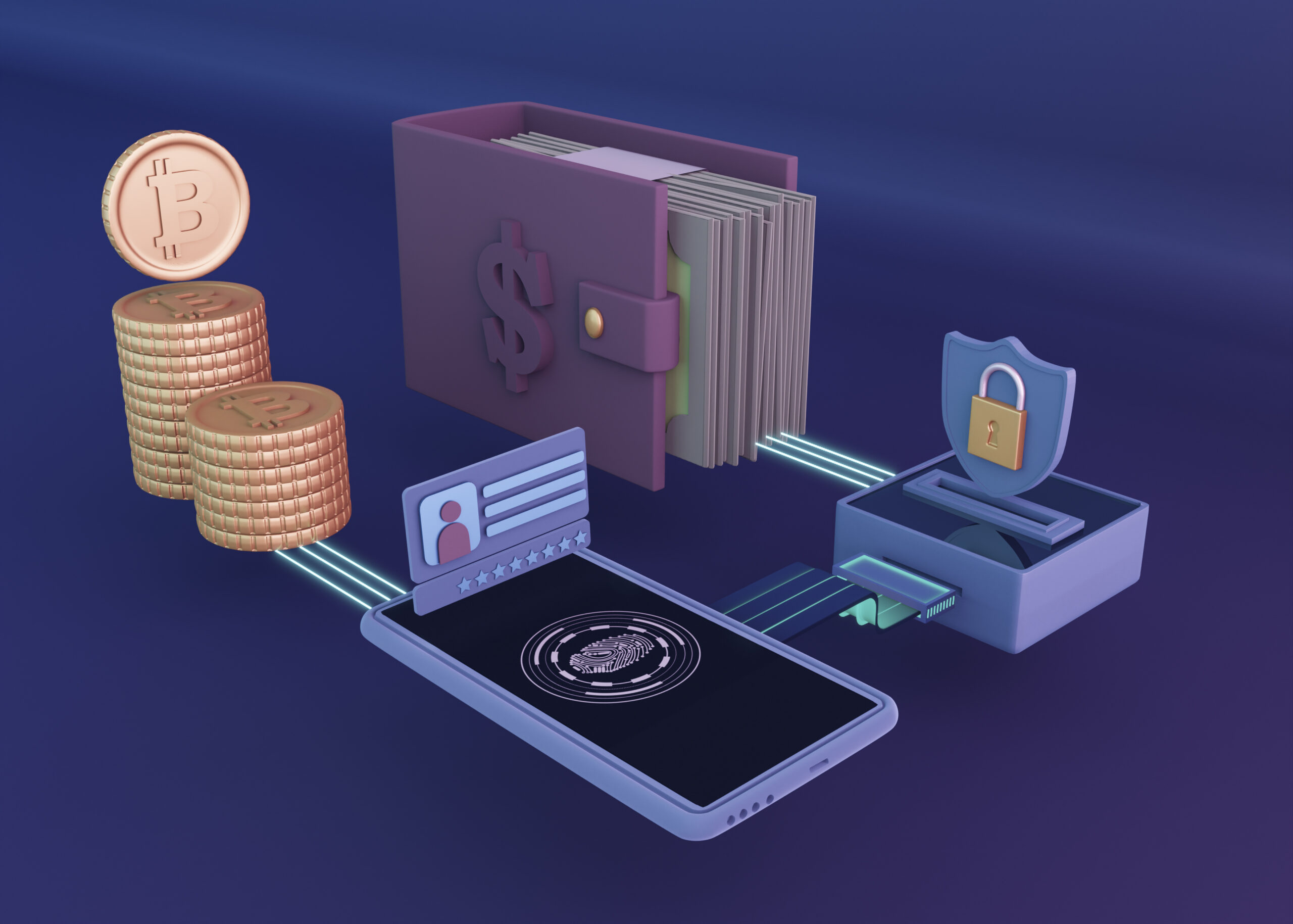
Cryptocurrency has evolved from a niche idea into a global financial revolution. For beginners, the world of crypto can seem complex — full of jargon, technical tools, and security concerns. Whether you’re thinking about investing in Bitcoin, Ethereum, or other altcoins, understanding wallets, exchanges, and security measures is essential. This guide by MBM (Market Business Magazine) will help you take your first steps into the crypto world safely and smartly.
Understanding Cryptocurrency Basics
Before diving into wallets and exchanges, it’s important to grasp what cryptocurrency actually is. In simple terms, cryptocurrencies are digital assets that use blockchain technology to record transactions securely. Unlike traditional money, cryptocurrencies are decentralized, meaning they aren’t controlled by banks or governments.
Common cryptocurrencies include:
-
Bitcoin (BTC): The first and most popular cryptocurrency.
-
Ethereum (ETH): Known for smart contracts and decentralized apps.
-
Litecoin (LTC): A faster and lighter version of Bitcoin.
These assets can be stored, traded, or used for online payments — but to do any of that, you’ll need the right wallet and a trusted exchange.
Choosing a Crypto Wallet
A crypto wallet is like your digital bank account, where you store your cryptocurrencies. It allows you to send, receive, and manage your coins securely. There are different types of wallets, and understanding their pros and cons is crucial for beginners.
1. Hot Wallets (Online Wallets)
Hot wallets are connected to the internet, making them easy to access but slightly more vulnerable to hacking. Examples include mobile apps, web wallets, or exchange-hosted wallets.
Pros:
-
Convenient and quick to use.
-
Ideal for frequent traders.
Cons:
-
Higher security risks.
-
Can be hacked if not properly protected.
2. Cold Wallets (Offline Wallets)
Cold wallets are offline storage devices like USB drives or hardware wallets. They are not connected to the internet, making them highly secure.
Pros:
-
Excellent protection from cyber threats.
-
Great for long-term investors (HODLers).
Cons:
-
Not convenient for quick transactions.
-
Can be lost or damaged if not backed up.
3. Paper Wallets
A paper wallet involves printing your public and private keys on paper. It’s completely offline, offering maximum security if stored properly.
Pros:
-
Immune to online hacking.
-
Simple for small crypto amounts.
Cons:
-
Easy to lose or damage.
-
Difficult for beginners to manage.
Using Cryptocurrency Exchanges
A cryptocurrency exchange is a platform where you can buy, sell, and trade cryptocurrencies using fiat money (like USD or PKR) or other cryptos.
1. Centralized Exchanges (CEX)
These are the most common and beginner-friendly exchanges. They are managed by companies that act as intermediaries between buyers and sellers.
Examples: Binance, Coinbase, Kraken.
Pros:
-
Easy to use and accessible.
-
Support fiat currency transactions.
Cons:
-
Custodial — the platform controls your crypto keys.
-
Vulnerable to hacks and regulatory issues.
2. Decentralized Exchanges (DEX)
These platforms allow peer-to-peer transactions without intermediaries. You trade directly from your wallet, giving you full control of your funds.
Examples: Uniswap, PancakeSwap.
Pros:
-
Greater privacy and security.
-
You control your private keys.
Cons:
-
Complex interface for beginners.
-
Limited fiat support.
Table: Wallets vs. Exchanges Overview
| Feature | Wallet | Exchange |
|---|---|---|
| Purpose | Store and protect cryptocurrencies | Buy, sell, and trade cryptocurrencies |
| Ownership of Private Keys | User controls keys | Platform controls keys (CEX) |
| Security Level | High (especially cold wallets) | Moderate (depends on exchange) |
| Internet Connectivity | Offline or online | Always online |
| Ease of Use | Depends on type | Generally beginner-friendly |
| Ideal For | Holding and securing crypto | Trading and liquidity access |
Staying Safe in the Crypto World
Cryptocurrency is exciting, but it also comes with risks. Scammers and hackers often target beginners who aren’t aware of basic safety practices. Protecting your assets should always be your top priority.
1. Use Strong Security Practices
Always enable two-factor authentication (2FA) and use a strong, unique password for your exchange and wallet accounts. Avoid using public Wi-Fi when accessing your crypto accounts.
2. Beware of Scams and Phishing
Never share your private keys or seed phrases with anyone. Scammers often impersonate official support teams or send fake airdrop links to steal your funds. Always double-check URLs before logging in.
3. Diversify and Backup
Don’t keep all your crypto in one wallet or exchange. Diversify across platforms and backup your wallet keys securely. A hardware wallet or encrypted cloud backup can be a good choice for safety.
Practical Notes for Beginners
-
Start Small: Begin with a small investment until you understand the process and market trends.
-
Educate Yourself: Stay updated through reliable business publications like MBM (Market Business Magazine) for crypto news and expert insights.
-
Think Long-Term: Crypto can be volatile — invest wisely and with patience.
Final Thoughts
Cryptocurrency is reshaping the financial landscape, and understanding its basics is your first step toward confident investing. By learning how wallets and exchanges work — and prioritizing safety — you can navigate the crypto world without unnecessary risks. Whether you’re holding Bitcoin for the long haul or exploring new altcoins, a solid foundation will help you grow in this dynamic market.
For more business and financial insights, visit MBM (Market Business Magazine) and stay informed about the future of digital finance.