








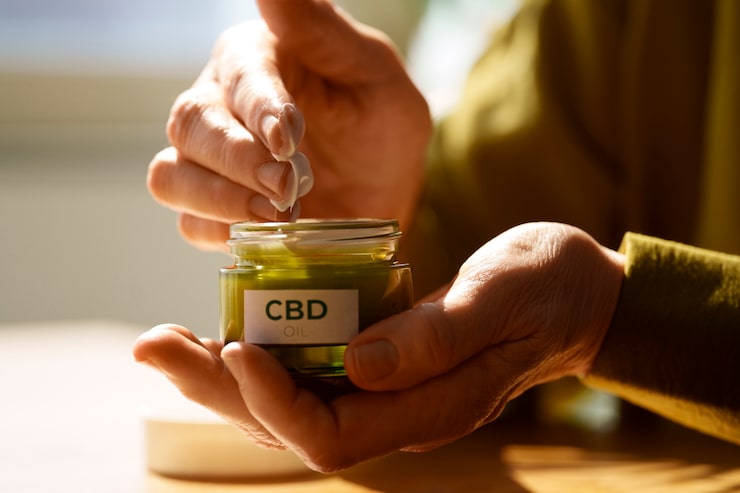
CBD has rapidly gone from being a niche wellness product to a topic of discussion for multiple mainstream stakeholders like health professionals and consumers. CBD interest continues to grow among health consumers looking for natural options to support health. CBD interest is interesting because CBD is one of the few wellness products that has a growing body of scientific research to support its potential health benefits as opposed to just anecdotal claims. CBD studies are being conducted for its potential benefits for stress reduction and pain relief, as well as for a number of other areas of research. This article provides potential benefits of CBD that has been documented in the literature. This guide will help consumers learn what CBD can and cannot do in order to separate fact from fiction.
What CBD Is and Its Benefits
CBD, short for cannabidiol, one of more than 113 cannabinoids that can be found in the hemp plant. Unlike other cannabinoids, like THC, the psychoactive compound found in marijuana, CBD does not produce a “high”. This makes CBD appealing to those want the therapeutic effects without the psychoactive effects. CBD, however, is not a negative therapeutic agent in and of itself. CBD is a legal compound that is vertically integrated into a wide range of products including, but not limited to, lotions and wellness capsules.
CBD is legal because has been shown to be safe. CBD has been incorporated into many products on the market because of its potential to provide therapeutic benefits by influencing the body’s endocannabinoid system. The endocannabinoid system is a natural body system that helps regulate processes like mood PAIN and immune response. There are many more things that endocannabinoid system helps regulate. CBD products can be found in many different forms including oils and wellness capsules, and are incorporated into patent therapeutics (lotions and wellness capsules).
Stress and Anxiety Management Using CBD
Research shows that CBD interacts with the brain’s serotonin receptors which play a part in the regulation of mood in the brain. This could be one of the reasons that users feel more balanced and calmer after using CBD consistently. Studies on general stress response and social anxiety have also been conducted and provided positive results. There are no sedative effects that are common with many prescription medications. CBD could provide support as users begin to manage stress and anxiety, though it is not an immediate solution.
Supporting Better Quality Sleep
Another reason CBD has gained popularity among consumers is its ability to improve the quality of sleep. If a person is experiencing anxiety and discomfort, it would be difficult to fall asleep, and CBD could help in mitigating those feelings. Although it does not act as a sleep aid, its ability to promote relaxation and help a person to fall asleep and stay asleep is beneficial.
Consistent use of CBD has been shown to improve sleep quality over time. For these reasons consumers who want to support their sleep on a long-term basis as opposed to wanting immediate effects would be drawn to CBD.
CBD and Pain Management
CBD has become popular for pain management due to its potential pain-relieving effects. CBD may modulate pain through its effects on the nervous system. CBD may also be able to help micro- and macro- injuries through its anti-inflammatory properties.
Since CBD may be able to help chronic pain, muscle soreness, and joint pain, interest in CBD has steadily increased. Many consumers use CBD topicals for pain relief because they are easy to use and effective. For general pain management, consumers use CBD capsules and oils. CBD should be used in conjunction with a pain management plan.
CBD Anti-Inflammatory Properties
There are a lot of chronic conditions in which inflammation is the critical component, and CBD may be able to help. CBD may help the body control inflammation by helping with the immune system response. With the joint stiffness, muscle recovery and general wellness, CBD may help with the inflammation wheel.
CBD would be especially useful for people with physically demanding jobs or active lifestyle. CBD’s potential use in inflammation control is especially important.
CBD and Neurological Health
CBD and neurological support have been studied on multiple occasions. Medications have been made by the FDA and other institutions concerning issues with seizures and have been successful. CBD’s success lies in its Neuroprotective capability, this refers to the ability to protect the nervous system.
These are broad claims with little evidence, and most of the evidence that does exist is still in trial phases but still exist and are valid for consideration. These claims are important when there is a large conversation about CBD and its impact on the nervous system.
Supporting Heart and Metabolic Health
CBD has recently been suggested for use as a support mechanism for the heart and has been suggested for use in conjunction with the support of the nervous system. CBD should not be prescribed to patients with suspected heart problems, but as a coping mechanism, CBD has been shown to help manage levels of stress.
Some studies have shown that CBD has the ability to help control blood levels when stress is introduced. CBD and its potential capabilities of being a heart medication have been useful in assisting with the prevention of potential problems, and this has been useful with a combination of strategies to prevent problems on the level that MBM has (Market Business Magazine).
General Benefits of CBD
Research has established that CBD has many valuable components that can be beneficial for the skin. Its anti-inflammatory and antioxidant properties can assist with skin irritation and balance the overall skin’s function. People often prefer topical CBDs over other absorption methods, since the effects are specifically targeted and they do not enter the bloodstream. This method of use may be more appealing to many.
Research, Safety and Tolerance
One of the principal reasons for the increase in popularity of CBD is due to the favorable or positive safety profile that it possesses. Studies show that most populations tolerate the use of CBD satisfactorily. As with many other FDA approved medications, there always remains a risk of side effects.
To mitigate the risks of side effects, it may be important to determine dosages. With the early studies on CBD, many of the risks associated with long term use and other potential dosages will be examined to produce advanced consumer safety product use.
Using CBD
The following points related to the use of CBD may be of interest to you and are valuable to consider.
Consistency Is Imperative
From the studies, the benefits of CBD were most profound with regular use.
Begin With a Low Dosage
To establish parameters for healthy use, it is suggested that a minimal dosage be utilized and then increased as necessary.
Selecting Quality Products
Consider the presence of clear labeling and third party testing to verify product purity and accuracy.
These lessons allow you to take a cognitive and evidential based practice approach to CBD, akin to the analysis of wellness trends you find in MBM (Market Business Magazine).
Concluding Remarks
There is evidence based research detailing the CBD benefits, providing genuine possibilities regarding stress, sleep, pain and general wellness. CBD is not a panacea, however, there are more studies showing it can be a valid adjunct to a wellness regimen. Knowing the parameters is critical to using CBD sensibly, and with the rapid expansion of the research, CBD will be a more prominent component of today’s health discourse. If you are considering wellness options, CBD is a research based, developing somewhat rapidly, and promising option.