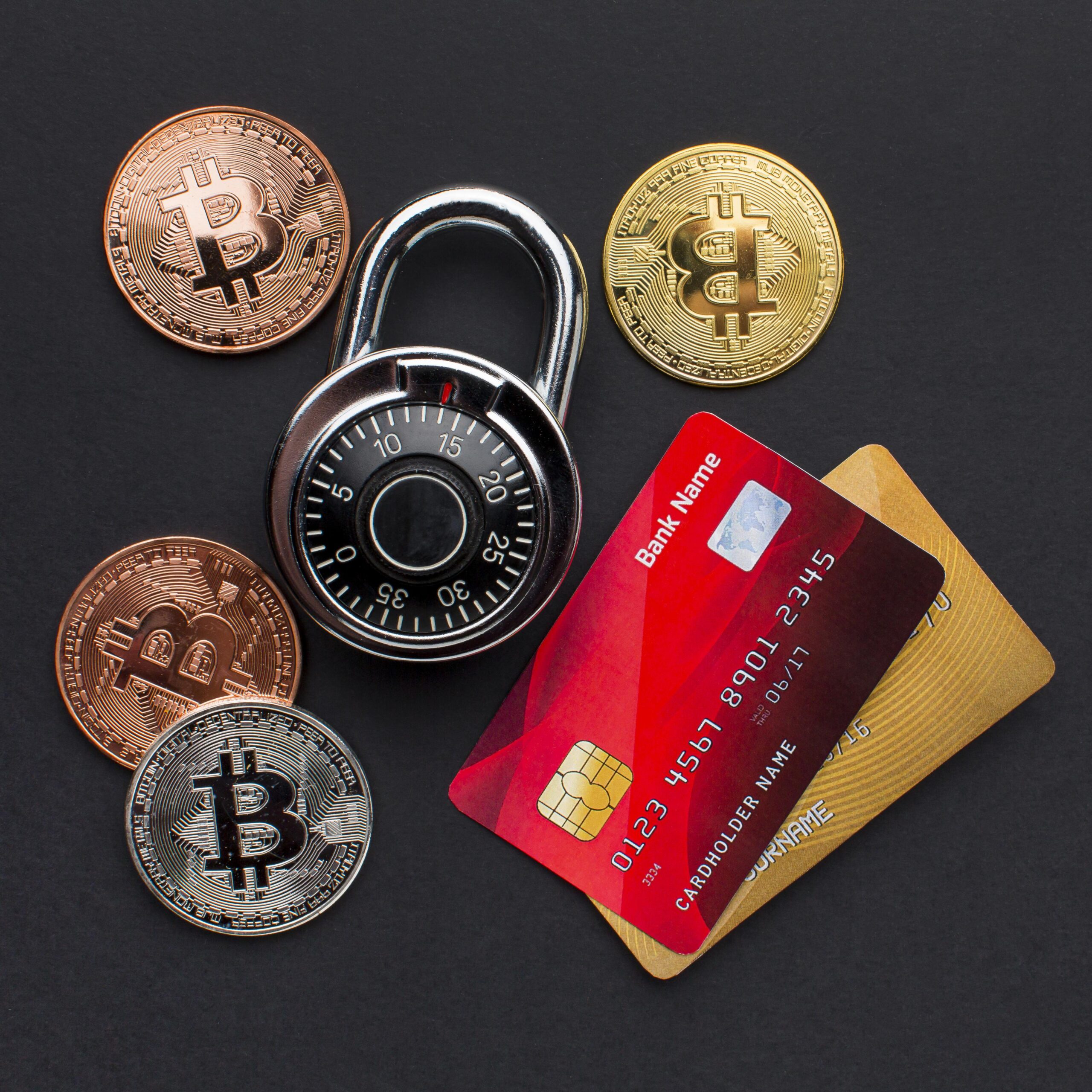









The technology of blockchain has a tendency to be complex, technical and only accessible to programmers or crypto-persuasers. Actually, it is a daring concept with effective real-life applications. In its unobtrusive way, blockchain is transforming the online trust system through digital money and safe information exchange. This is the book that defines blockchain technology using the simplest, vernacular language – no jargon, no puzzles. Either as a beginner or even as a curious person, this article will guide you through the mechanism of blockchain, its relevance and its future direction.
The Simplest Explanation of Blockchain Technology
Fundamentally, blockchain is an internet-based digital record-keeping system, which is distributed, secure, and almost immutable. Blockchain does not store information in a single location (such as bank/company server), but instead disseminates information to numerous computers. It makes the system to be transparent, reliable and resistant to fraud.
Consider blockchain a common online notebook. Anyone can read what is printed in it, no one can surreptitiously write out pages and each succeeding page is connected with the earlier one.
What Is a Blockchain?
A blockchain is a sequence of so-called blocks, each of which includes:
-
A list of the data or transactions
-
A timestamp
-
A unique code (called a hash)
-
A link to the previous block
After a block is attached it becomes a part of a permanent chain. It is this type of structure that makes blockchain secure and trusted.
Step by Step of How Blockchain Works
It is not difficult to understand blockchain, as it can be broken down:
-
A transaction is formed (e.g. the transfer of cryptocurrency).
-
The processing massive is disseminated to a group of computers referred to as nodes.
-
The nodes confirm the transaction by their accepted rules.
-
After verification, a block is added to the transaction.
-
The block is connected to the former blocks creating a chain.
This is done without a central authority and that is why block chain is termed as decentralized.
What Is the Reason Why Blockchain Is Deemed Secure?
One of the largest capabilities of blockchain is security. Individual blocks are encrypted and any modification of one block would necessitate a modification of the subsequent ones- thousands of computers. That is virtually not possible.
Major security characteristics are:
-
Decentralization (single point of failure)
-
Encryption
-
Transparency
-
Consensus mechanisms
These characteristics position blockchain as a good option with regard to sensitive information and money transactions.
Blockchain and Traditional Databases
Conventional databases are managed by a single entity. On the contrary, blockchain is distributed over a network.
Main Differences
| Aspect | Traditional Databases | Blockchain |
|---|---|---|
| Control | Centralized | Decentralized |
| Transparency | Limited | Open |
| Security | Weak | Hardened |
| Trust | Authority Based | Code Based |
It is this change of trust that has seen multiple industries considering blockchain solutions with finance platforms appearing in MBM (Market Business Magazine).
Common Types of Blockchain
There are not identical blockchains. The main types include:
Public Blockchains
These are open to everyone. Examples of popularity are Bitcoin and Ethereum. Any person is eligible to join, view transactions and participate.
Private Blockchains
These blockchains are permission-based and more controlled and used by businesses. They are more rapid and can be used within an enterprise.
Consortium Blockchains
They are regulated by a coalition of groups rather than a single one, which provides a balance between transparency and regulation.
Applications of Blockchain Technology in the Real World
Blockchain is not about cryptocurrency anymore. Its uses are increasing at a very high rate:
Cryptocurrency and Electronic Payments
With blockchain, it is possible to make cross-border payments without banking. The transactions are transparent and are in most cases cheaper than the traditional.
Supply Chain Management
Businesses can trace products through their origin to delivery and decrease fraud and enhance accountability.
Healthcare Data Security
The records of patients are stored safely and are accessed only by authorized persons.
Smart Contracts
They are automatically executing contracts, which do not need intermediaries to carry out.
Most of such innovations are frequently debated in MBM (Market Business Magazine) as blockchain acceptance in industries expands.
Blockchain and Decentralization Dummies
Decentralization implies that no one person oversees the system. Rather, the power to make decisions is decentralized in the network.
The advantages of decentralization are:
-
Reduced corruption
-
Greater transparency
-
More system reliability
-
More user control
This model is a challenge to the conventional power systems, particularly finance and digital services.
Myths and Misconceptions of Blockchain
Blockchain is a phenomenon that has many misunderstandings, even though it is popular.
Myth 1: Blockchain and Bitcoin are identical
Bitcoin is not the only use of a blockchain technology.
Myth 2: Blockchain is not something that non-technical people use
A large number of blockchain applications are targeted at regular people.
Myth 3: Blockchain is totally anonymous
The majority of blockchains are transparent; the transactions are traceable.
When people know such myths, they make well informed choices.
Problems That Are Affecting Blockchain Technology
Blockchain is mighty yet it is not flawless. Some challenges include:
-
Scalability issues
-
Energy consumption
-
Regulatory uncertainty
-
Poor knowledge among the population
As the technology becomes more mature, developers and organizations are in the process of trying to fix these issues.
The Way Readers Can Use Blockchain
Three lessons that can be applied in practice by beginners are:
-
Get Started: Whether with a basic crypto wallet or a learning app, get to know blockchain.
-
Go Narrow: See past the hype – Find out what real-world problems blockchain is solving.
-
Be Connected: Be informed and continue learning through reliable channels and trends in the industry.
These measures can assist you to do business with blockchain safely and with confidence.
Conclusion
Blockchain technology is not as complex as it appears to be. It is a smarter, safer means of recording and sharing information without the help of a central authority at the core. Blockchain is altering the nature of trust in the digital age from online payments to online data security. There is no need to make it difficult, a simple and clear understanding of blockchain is an advantage that places you ahead of the wave as adoption expands. As an investor, business owner, or an interested reader, it is high time to know how this technology can help form the future.