








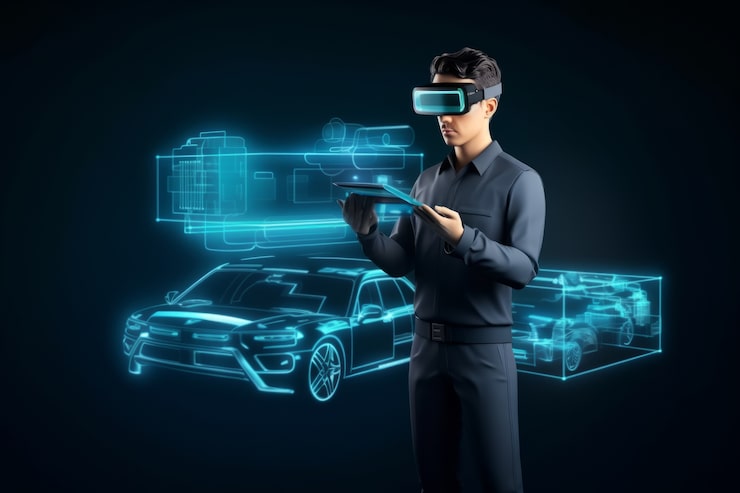
The automotive industry is in the middle of one of the most profound transformations in its history. As a result of advancements in technologies, consumer behaviors, and regulations, the design, underpinning technologies, and usage of vehicles across the globe will fundamentally change. By 2026, vehicles will have the most advanced technologies and best environmental protections. Understanding and anticipating the automotive innovations of 2026, will greatly benefit consumers, businesses, and industry specialists for a rapidly evolving marketplace.
The Innovations Impacting the Automotive Industry in 2026
The advancements in the automotive industry within 2026 will not be centered around a single new car technology, but multiple trends that converge in unison to transform the innovations within the industry. The most influential trends in the automotive industry for 2026 that will have a lasting impact on everything from micro-mobility solutions to macro-mobility infrastructures will be presented.
The Expansion of Electric Vehicles
The year 2026 will see one of the most significant societal shifts in automotive consumer behavior, with the choice to buy hybrid or fully electric vehicles (EVs) becoming a societal expectation. The primary reason for this shift will be positive developments in the cost, charging speed, and driving range of electric vehicle batteries. Furthermore, most nations will place stricter regulations on vehicle emissions, which will compel vehicle manufacturers and consumers to shift towards electric mobility.
Automakers now focus their spending on EV platforms that allow for improvements in performance, interior space, and impact energy consumption. As charging stations are built in urban areas and along major highways, the anxiety associated with the driving range of electric vehicles (EVs) will decline, making EVs practical for almost any consumer.
Software-Defined Vehicles Take Center Stage
Starting in 2026, vehicles will be defined mostly by their software and not hardware. Software-defined vehicles allow manufacturers to modify features, enhance performance, and fix software bugs, all via over-the-air updates. Vehicles will be able to improve over time just as mobile phones do.
Drivers will experience improvements in navigation, road and driving safety, and driving experience personalization. For manufacturers, this is the first time on a large scale that software is likely to drive recurring revenue through subscription services, a business model that is the topic of much focus in platforms like MBM (Market Business Magazine).
Standardization of Advanced Driver Assistance Systems (ADAS) and their Features
ADAS features will no longer be premium upgrades. Systems with features like adaptive cruise control, lane-keeping assistance, automatic emergency braking, and traffic jam assist will be available in most mid-range vehicles.
Although fully self-driving cars are likely still a way off, the anticipated high partial automation of vehicles will improve road safety and the driving experience. The reduction of human error through the use of these systems will lead to a reduction in accidents and subsequently the costs associated with insurance.
Sustainable Materials and Green Manufacturing
In 2026, sustainability in the automotive industry will advance beyond the use of electric powertrains. With the rise of industry-wide recycled, bio, and lightweight materials in automotive manufacturing, plant-based alternatives, and recycled plastic materials will become widespread. Eco-friendly materials will become commonplace in automotive manufacturing and provide competitive advantages in selling new vehicles.
Manufacturing will also strive for new innovations, with the automotive industry shifting towards responsible production and sustainable manufacturing, focusing on less water consumption, reduced carbon footprints, and improved supply chain processes.
Connected Cars and Smart Ecosystems
Seamless connectivity will dominate the automotive industry in 2026. Integrating new vehicles with smartphones, smart homes, and smart city infrastructure will ensure real-time adaptive traffic control and implement smart, predictive maintenance alerts for vehicles. Voice control will provide a new dimension to driver control and will significantly enhance the safety and convenience of the driver, reducing distractions during control of the vehicle.
Also focusing on the improved safety and convenience of traffic flow, vehicle-to-everything (V2X) will become the industry standard. With the capability for vehicles to integrate and communicate with traffic control devices, road monitors, and other vehicles, V2X improves traffic responsiveness and flow, allowing cities to accommodate and plan for autonomous vehicles.
New Ownership and Mobility Models
2026 will continue to see the evolution of traditional automotive ownership. With the proliferation of new subscription-based, car-sharing, and leasing models, new intra-urban consumers will emerge, prioritizing access to use. These new models will provide consumers with lower initial purchase costs and the ability to replace their vehicle with a new one when their needs change.
Businesses are likely to find fleet electrification and mobility-as-a-service platforms attractive because of their lower operating costs and achievement of sustainability goals. Analyses of platforms via MBM (Market Business Magazine), highlight the ways these models are redefining revenue plans.
AI-Enhanced In-Vehicle Personalization
Artificial intelligence will significantly enhance the driving experience. By 2026, vehicles will remember and adjust to individual driver preferences, including their seated position, climate settings, music selections, and navigation routes. These AI-driven systems will also make predictive recommendations, such as charging stops and service appointments.
Enhancing personalization increases the driver’s comfort and fosters emotional attachments. Consequently, drivers develop relationships with their vehicles, creating a sense of companionship with these intelligent mobility platforms.
Practical Considerations for Drivers and Buyers in 2026
-
Establish plans for electrification: If you intend to make a new car purchase, make sure to include electric vehicles (EVs) and hybrid models to safeguard your investment.
-
Prioritize the software: Features such as horsepower and style will be less valuable in the future, as software updates and connectivity will take precedence.
-
Consider the sustainability: Vehicles made from sustainable and less harmful processes will likely be of greater value in the long run, including better resale value.
Conclusion
The trends in the automotive industry that will emerge in 2026 illustrate the revolution in smart technologies, cleaner, and more versatile modes of mobility. The electrification of vehicles, innovations in software, advanced safety, and sustainability will no longer be trends. These will be the new industry default. Awareness of the trends will enable a consumer, investor, or professional in the industry to manage the complexities of the rapidly evolving automotive industry. In anticipation of 2026, the automotive industry will continue to push the boundaries of technology integration, to enhance innovation and efficiency, and to offer the world a more seamless and interconnected driving experience.