








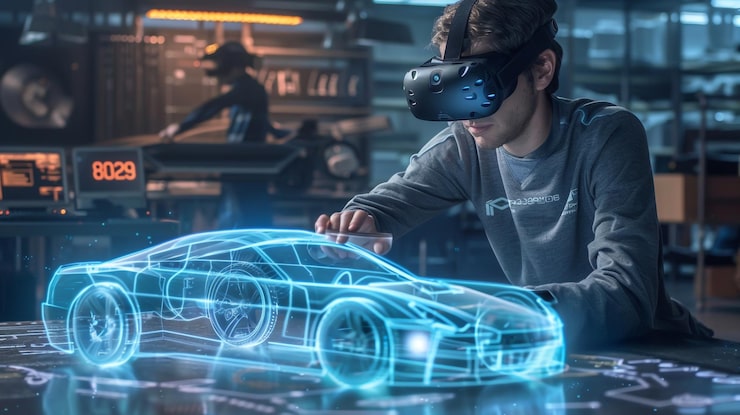
Technology, sustainability interests and shifting consumer expectations are changing the automotive industry faster than ever before. Cars are not only a mode of transportation anymore, but are getting smarter, cleaner and more connected. Electric powertrains and autonomous functionality are only a few examples of the ways automotive innovations are changing the way we move and experience mobility. Electric Cars Are the Future of Mobility. These transformations are not merely affecting the automobile companies, but cities, infrastructure and lifestyles as well. Getting acquainted with these trends allows drivers and businesses to get ready to the future.
Car Innovations That Will Shape the Future
Battery Breakthroughs and Electric Vehicles
Electric vehicles (EVs) are the center of innovation in the modern automotive. As governments emphasize on reduced emissions and customers seek green products, EV usage keeps on increasing. Car manufacturers are putting a lot of money in high technology battery to enhance the driving range, shorten the charging time, and also increase the battery life.
EVs are becoming more usable in everyday life by newer lithium-ion replacements, solid-state types of batteries and better energy management systems. With the increase in charging networks around the world, the range anxiety is slowly disappearing. The advancements make electric cars a long-term solution and not a niche phenomenon.
Autonomous Driving and Driver Assistance Systems
One of the most discussed automotive technologies that will lead to the future is self-driving technology. Although fully autonomous cars are yet to be developed, full-fledged driver assistance systems (ADAS) are presently widespread. Such functions as adaptive cruise control, lane-keeping assist, automatic emergency braking, and blind-spot monitoring enhance the safety and minimize the fatigue of drivers.
These systems are based on sensors, cameras, radar, and artificial intelligence to identify the conditions of the road in real time. With the advanced software, the vehicle will be able to perform more complex tasks that involve driving and thus may reduce the number of accidents that are due to human error.
Smart Mobility and Connected Cars
Vehicles are becoming digital mobile platforms through connectivity. The cars of the modern generation can now be connected to smartphones, traffic lights, and even to each other. It will facilitate real-time navigation, proactive maintenance warnings and customized driving experiences.
The smart cars also provide over-the-air updates about the software that people do not have to visit the dealership too often. The platforms addressed in MBM (Market Business Magazine) frequently mention how the concept of data-driven mobility can be used to develop future transportation designs, such as car-sharing and subscription-based ownership.
Sustainable Manufacturing and Materials
Emissions are not the only thing about sustainability. The automakers are reconsidering the way cars are made and manufactured. Such lightweight materials as aluminum, carbon fiber, and recycled composites are used to enhance the fuel efficiency and environmental impact.
Factories are becoming more eco-friendly with renewable energy being used to power them and recycled plastics, vegan leather, and natural fabrics are used as interior materials. These adjustments also indicate a wider scope of social responsibility production, which makes sustainability a central pillar of automotive inventions that steer the future.
Artificial Intelligence in Car Design and Performance
AI is a significant part of the contemporary development of vehicles. AI is used to assist engineers in optimization of aerodynamics, fuel efficiency, and predictive part failure. AI assistants in cars may also change the climate controls, give route suggestions and even learn overtime about the favorite of the driver.
Safety is also increased with AI that can analyze the behaviors of the drivers and notify the users about the risks. The more advanced machine learning is, the more the vehicles will turn out to be more responsive and intuitive, thus making the driving experience smoother.
The Emergence of Alternative Fuel Technology
Although electric vehicles are in the limelight, the other fuel technologies are developing as well. Hydrogen fuel cell cars have zero-emissions and refuel faster than EVs. Infrastructure is still lacking, but investment further will make hydrogen a potential option in some markets.
There is also a development of hybrid systems which combine electric motors with effective internal combustion engines. These cars can be viewed as a rational transitory step in the areas that are not fully electrified yet.
Automobile Cybersecurity and Data Protection
Cybersecurity is a real issue as machines continue to become more and more interdependent. Cars that are in use today produce and send large volumes of data, which can be used as a victim of a cyber threat. The automakers are working on safe software architecture, encryption and periodic security patches to secure the drivers and systems.
Effective cybersecurity guarantees that there is trust with regards to connected and autonomous vehicles. The industry discourse, such as the information provided on MBM (Market Business Magazine), highlights that the security of data will become a priority as much as physical security is concerned in the design of the vehicle in the future.
Smart Infrastructure and Urban Mobility
Urban planning and smart cities are inextricably connected with automotive inventions. Cars are now capable of communicating with traffic lights, parking machines and road sensors in an attempt to ease traffic movement and lessen traffic jams. The introduction of electric buses, autonomous shuttles, and shared mobility services has transformed the transportation aspect of the people.
This interconnection promotes cities that are cleaner, a reduced commute time, and the use of space more effectively. Infrastructure will evolve so that vehicles will be a component of a more extensive intelligent mobility system.
Online Retail and Ownership Experience
The mode of individual purchasing and ownership of cars is also changing. Buyers are also finding it easier with the use of digital showrooms, online test drives, and online financing facilities. The flexibility of leasing and the subscription is more attractive to a consumer who likes to access more than own.
Such tendencies indicate the changing consumer behavior, in which convenience and customization are more important than the performance of the vehicles. Innovations related to the automotive sector that will shape my future stretches beyond the technological aspect to the customer experience as a whole.
Practical Notes for Readers
Electrification Plan
When you are purchasing a new car, think about how much the fuel will cost in the future and how accessible charging will be to think about an electric or hybrid car.
Smart Features
Smart features are supposed to be used in the best way possible to maximize the effectiveness and safety.
Consider Long-Term Value
Cars that can be updated with the software and have sophisticated safety measures can have a more advantageous resale value and lifespan.
Conclusion
Innovative car technologies that propel us into the future are changing the nature of mobility in all directions. Electric motor and powertrain, self-driving capabilities, connectivity, and sustainable thinking have ceased to be far-off dreams; they are now influencing the modern cars. With the current advancement in technology, road users have a reason to look forward to the safety of the roads, cleaner environment, and more personalized travelling experience. The ability to remain updated on these changes will benefit the consumer and businesses make wiser decisions in a fast changing automotive industry.