








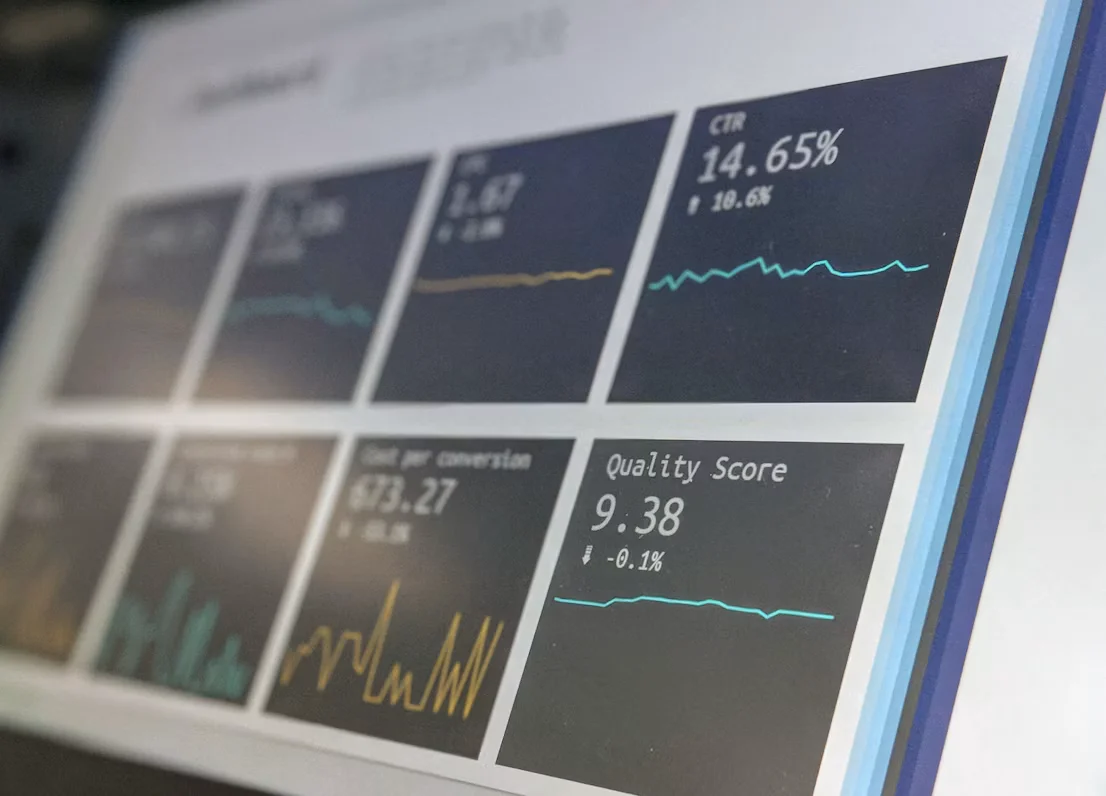
Now, companies are facing several challenges, so they not only focus on the wants of the customers. Every customer has their own choices and wants to purchase goods. Companies should understand the wants of their customers and make the best decision to innovate new ideas and sell more products. It is called data-driven marketing, which means companies use customer data to develop better marketing strategies. They check and review the data collected from the customers and understand what customers need. By using that data, they make new decisions to build strong relationships with customers, fulfill their wants, and increase the sales of the products. Whether you are running a small or a big company, data-driven marketing helps you make it successful.
Data-Driven Marketing:
It is a strategy in which companies use customers’ data to make better decisions to grow their business. They gather information like what customers need and what they like from different online websites, surveys, and searches. The main goal of data-driven marketing is to make customers happy and provide them with what they want.
For Example:
An online store checks about the often searches of the customers. Suppose the customer mostly searches for sports items, the store will show them sports items and similar products mostly.
Importance Of Customer Data:
Customer data is very essential to grow companies successfully. They help to know about the wants of the customers and make the best decisions to make the customer happy and satisfied. It includes things like,
- Which products they buy the most?
- Which type of products they like the most?
- Their previous purchases.
- Reviews.
- How they use online apps?
For Example:
An online store of shoes use customers’ data to check what customers need. By using this data, they can make better plans to innovate new things according to customers’ interests to keep them satisfied and make a strong relationship with them.

How Does Data-Driven Marketing Work?
Data-driven marketing works step by step, which are discussed below:
Gathering Data:
The first stage is gathering customers’ data. The main sources of gathering data include online websites, apps, social media platforms, and previous purchases. All of them provide important data that shows the customers’ interests and wants.
Learning From Collected Data:
After gathering useful information, companies start studying it. They check every detail in detail to know what customers like and which types of things work best. This helps them to grow their business and increase sales. Like, if a customer prefers to watch videos or ads instead of reading all the details, the company will provide them with ads on social media platforms.
Converting Customers Into Different Groups:
Every customer has different wants and requirements. A data-driven marketing strategy divides the customers into several groups depending on their interests. Like, they separate new customers, daily customers, and people who look for less expensive products. This makes ease for the companies to find the customers easily.
Making Personal Marketing:
Personal marketing means sending text which stands with the wants of customers. Like, you can send emails to the customers, suggest them products which matches with their interests, offer special prices, and show ads to the customers.
Role of Technology in Data-Driven Marketing:
Technology has made data-driven strategy simpler and more efficient for companies. They can gather, understand, and use customers’ data very quickly by using advanced strategies.
The most common technologies used include,
CRM:
CRM stands for Customer Relationship Management. It is a system which help to manage and store a huge amount of customer data. They store data about customers’ purchases and their interests. This makes ease for the customers to find accurate data quickly.
AI:
Artificial Intelligence helps the companies to understand customer data and make the best decisions to grow the business in the future. AI can check a huge amount of data very quickly. AI suggests the best products to the customers which stands with their needs and shows them related ads to make ease for them to understand details about products.
Marketing Automation:
It is another technology that sends messages and emails automatically. It helps by saving companies’ time; they don’t need to send emails and messages by themselves. It makes the business work faster and keep the customers stay connected with the company.

Conclusion:
Data-driven marketing has drastically transformed how businesses connect with customers. It has replaced informed decision-making by collecting and analyzing data from various sources, including social media, email campaigns, CRM systems, etc. Data collected from these sources enables businesses to specify their audiences and personalize marketing strategies accordingly. As a result, companies get increased engagement, retention, return on investment, and sustainable revenue growth. However, successful data-driven marketing also demands that businesses maintain data quality, customer privacy protection, and integration of multiple data resources. This ensures marketing strategies remain effective and ethical.
To conclude, data-driven marketing is not simply about collecting information but also about transforming customer insights into meaningful actions that are valuable for both businesses and their audience. Companies that effectively use data to understand what their customers demand deliver personalized content and are better positioned to adapt to any drastic trend changes and also build stronger customer relationships.