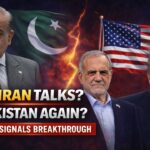






Today marked a significant development in Pakistan’s political landscape, as key leaders and stakeholders came together for high-level talks aimed at addressing ongoing challenges. These negotiations have drawn widespread attention across the country, as their outcomes could shape Pakistan’s political stability, economic recovery, and governance in the coming months. With tensions running high in recent weeks, today’s discussions are being seen as a step toward consensus and cooperation.
Background of the Talks
Pakistan has been facing political uncertainty and economic pressure over the past few months. Rising inflation, policy disagreements, and institutional tensions have created an environment that demanded dialogue. In this context, today’s talks were organized to bring all major players to the table and find common ground.
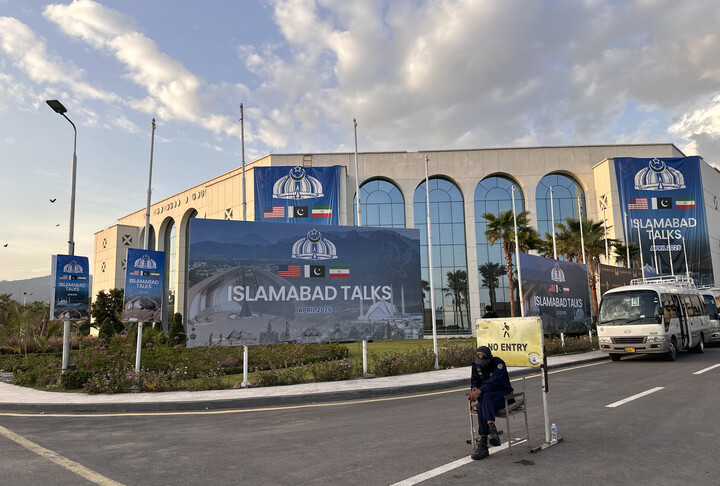
The negotiations reportedly took place in Islamabad under tight security. The agenda focused on reducing political tensions, ensuring democratic continuity, and discussing key reforms necessary for economic stability.
Key Participants in the Negotiations
The talks included representatives from major political parties, senior government officials, and influential decision-makers. While official statements have been limited, insiders suggest that both ruling and opposition parties participated actively.
High-level figures, including cabinet members and party leaders, engaged in detailed discussions. The presence of senior leadership highlighted the importance of the meeting and indicated a serious attempt to resolve ongoing issues.
Main Issues Discussed
Several critical topics were addressed during the negotiations:
1. Political Stability
One of the primary focuses was restoring political stability. Continuous conflicts between political parties have impacted governance and public confidence. Leaders discussed ways to reduce tensions and work toward a more stable political environment.
2. Economic Challenges
Pakistan’s economy remains under pressure, with inflation and currency fluctuations affecting everyday life. The talks included discussions on economic reforms, potential relief measures, and strategies to attract investment.
3. Election-Related Matters
Another key issue was the upcoming electoral process. Ensuring transparency, fairness, and timely elections was a major part of the dialogue. Participants emphasized the importance of democratic continuity.
4. Institutional Coordination
Improving coordination between institutions was also discussed. The goal is to ensure smoother governance and avoid conflicts that could disrupt national progress.
Key Outcomes of the Talks
Although no formal agreement has been publicly announced yet, initial reports suggest that the talks were constructive. Some notable developments include:
- Agreement to continue dialogue in future meetings
- Commitment to reducing political tensions
- Initial consensus on certain economic measures
- Positive signals toward electoral transparency
These outcomes indicate that while challenges remain, progress is being made toward cooperation.
Impact on Pakistan’s Political Landscape
Today’s talks could prove to be a turning point. If continued with sincerity, these negotiations may lead to greater political harmony and improved governance. For the public, this could mean better economic policies and reduced uncertainty.
Political analysts believe that sustained dialogue is essential for long-term stability. Without cooperation, existing challenges may intensify, affecting both the economy and democratic institutions.
Public and Expert Reactions
The response to today’s talks has been largely positive. Many citizens view the negotiations as a hopeful sign that leaders are willing to put national interest above political differences.
Experts, however, remain cautiously optimistic. They stress that real progress will depend on implementation and follow-through. Past experiences have shown that talks alone are not enough; consistent action is required.
Challenges Ahead
Despite the positive tone, several challenges remain:
- Deep-rooted political divisions
- Lack of trust between parties
- Economic pressures requiring urgent solutions
- Public expectations for quick results
Addressing these challenges will require sustained effort and genuine commitment from all stakeholders.
What Happens Next?
The next phase will likely involve follow-up meetings and detailed policy discussions. If momentum continues, these talks could lead to formal agreements and reforms.
Observers are closely watching how political leaders act in the coming days. Their decisions will determine whether today’s talks become a milestone or just another missed opportunity.
Conclusion
Today’s negotiations in Pakistan represent a critical step toward resolving ongoing political and economic challenges. While it is too early to predict final outcomes, the willingness of leaders to engage in dialogue is a positive sign. If these efforts continue with sincerity and focus, Pakistan may move toward greater stability and progress.
FAQs
1. What were today’s talks in Pakistan about?
They focused on political stability, economic challenges, elections, and institutional coordination.
2. Where were the negotiations held?
The talks reportedly took place in Islamabad under strict security arrangements.
3. Who participated in the discussions?
Representatives from major political parties, government officials, and key decision-makers attended.
4. Were any agreements reached?
No formal agreements have been announced yet, but discussions were described as constructive.
5. Why are these talks important?
They could help reduce political tensions and improve economic and governance conditions.
6. How will this impact the economy?
If successful, the talks may lead to reforms and policies that stabilize the economy.
7. What is the public reaction?
Most people see the talks as a positive step but are waiting for concrete results.
8. Will there be more meetings?
Yes, participants have agreed to continue dialogue in future sessions.
9. What challenges remain?
Political divisions, lack of trust, and economic pressures are still major hurdles.
10. Can these talks change Pakistan’s future?
Potentially yes, if followed by real action and sustained cooperation.