







The health and wellness behavior is changing rapidly and individuals have never been more interested in alternative medicine as they are now. CBD has also been able to garner interest to be used alongside traditional treatments and prescriptions as a natural way of addressing the day-to-day health issues. This has raised a critical debate: what is the comparison of CBD and conventional medicine? The awareness of the difference may assist people in making knowledgeable choices concerning their health. This paper discusses the functioning of the two and the differences between them and when each can be applicable.
The Difference between CBD and Traditional Medicine
The philosophy of CBD (cannabidiol) and traditional medicine is very unlike in terms of healing. One of them is based on natural substances which originate in plants whereas the other is based on scientifically developed drugs and standard medical practices. Both seek to promote the state of health, yet they achieve this differently in a manner that is important to the patients, practitioners, and users in general.
What Is CBD and How Does It Work?
CBD is a non-psychoactive substance, which is extracted out of the hemp plant. It does not make one feel high, just like THC. CBD acts by interacting with the endocannabinoid system of the body that regulates other functions of the body, including pain, mood, sleep, and immune response.
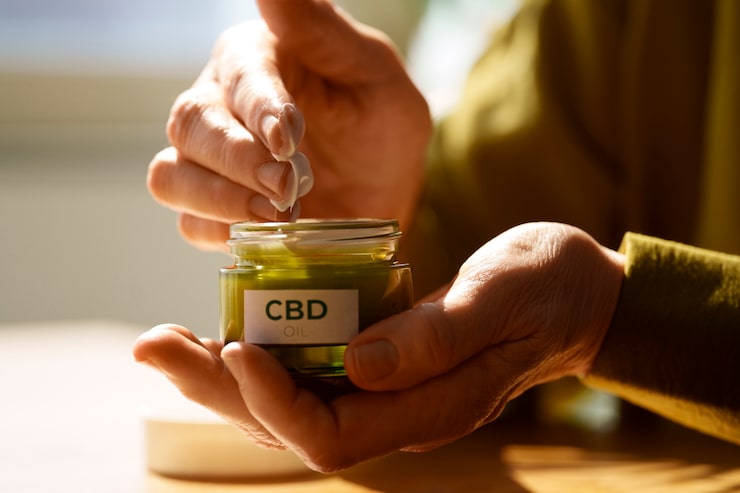
CBD is not used as a treatment but instead a supplement to a wellness program by a lot of the population. The common forms are oils, capsules, gummies and topical creams. What is appealing about CBD is that it is natural and has a reputation of being a mild support and not being an aggressive form of intervention.
Learning about Traditional Medicine
Traditional medicine Traditional medicine is a term that defines traditional healthcare traditional medical methods like prescription medications, surgical procedures and clinically endorsed treatment. Such treatments are developed based on the years of research and testing, and regulation. Physicians make use of standard practices to diagnose and to treat diseases, and they usually want quick and quantifiable outcomes.
In case of such acute diseases as infections, injuries, or chronic diseases, which demand strict control, traditional medicine is frequently necessary. It is effective because of its accuracy, control of dosage and good scientific support.
Natural Approach versus Clinical Intervention
Among the largest contrasts between CBD and conventional medicine, there is the healing method. CBD is aimed at maintaining the balance in the body. It is frequently prescribed to manage stress, mild pain or as the general well-being.
Conventional medicine, on the other hand, is more focused. It focuses its efforts on particular symptoms or diseases using effective interventions. This may be very efficient, but can also be accompanied with side effects because of the power of treatment.
Regulation and Safety Standards
The traditional medicine is very much regulated. Strict clinical trials of prescription drugs before actual patients are achieved is necessary. This has consistency, safety and efficiency.
The regulation of CBD is regional. Although quality products are tested on purity, and potency, the standards are not always the same. It implies that consumers need to be more attentive in their selection of CBD products and should seek transparency and laboratory testing.
Quickness of Outcomes and Prolonged Applying
The medicines that are of traditional nature tend to act fast particularly where pain is involved, infections, or emergency cases. Nevertheless, the side effects or dependency can develop under the control of some medications that can be used over a long period of time.
CBD is typically slower acting. The long-term use of the device has been associated with numerous benefits among many users. Most people consider it as a long term wellness supplement and not a short fix.
Side Effects and Tolerance
Another significant difference is side effects. Conventional medicine can lead to nausea, drowsiness, dizziness or other responses by the drug. These dangers are highly documented and tracked by medical workers.
CBD seems to be well-tolerated, and has a limited number of associated side effects. Mild drowsiness or digestive discomfort are common with some users though there is rare serious reactions as long as they use it responsibly.
Cost and Accessibility
Traditional medicine is costly, particularly in absence of insurance. There is the doctor visits, diagnostic tests, and prescriptions which create the total cost.
The use of CBD products is more prevalent and more readily accessible. Nevertheless, even high-quality CBD remains expensive, and is most of the time not reimbursable. This renders the comparison of costs very personal.
Comparison Table
| Aspect | CBD | Traditional Medicine |
|---|---|---|
| Since source | Plant-based, natural compound | Lab-developed drugs and therapies |
| Purpose | Wellness support, balance | Disease treatment and symptom control |
| Control | Dependent on location | Strict control |
| Speed of Effect | Gradual | Frequently quick moving |
| Side Effects | In most cases mild in nature | — |
| Availability | Over-the-counter in most locations | Prescription-based |
In the Case of CBD Being a Superior Choice
CBD can be an option when people need to receive natural help in overcoming stress, difficulties with insomnia, or small aches. People tend to choose it because they want to avoid the use of strong medications or have a preference towards vegetable food. MBM (Market Business Magazine) readers tend to refer to wellness trends that mention CBD as an extension of a lifestyle instead of an alternative to medical services.
Where Traditional Medicine Is the Only Way
Conventional medicine is essential with life threatening or serious conditions. Professional medical care is needed in case of infections, chronic diseases, and emergency cases. The use of CBD should not substitute prescribed drugs without a doctor.
Most medical practitioners have come to realize that the two strategies can coexist together and provide patients with more personal care choices. This is also an emerging trend of integrative health as indicated by insights posted to MBM (Market Business Magazine).
Conclusion
CBD vs traditional medicine is not a choice between one or the other, but rather the way each specifics to fit in the modern health care. CBD is a natural, mild choice of wellness and balance as compared to traditional medicine, which has potent and established solutions to illnesses or diseases. It is through the knowledge of their difference that people can make smarter, safer decisions that do not contradict their health requirements and lifestyle. The future of healthcare could probably be in both virtual methods being used in a wise and sensible way.