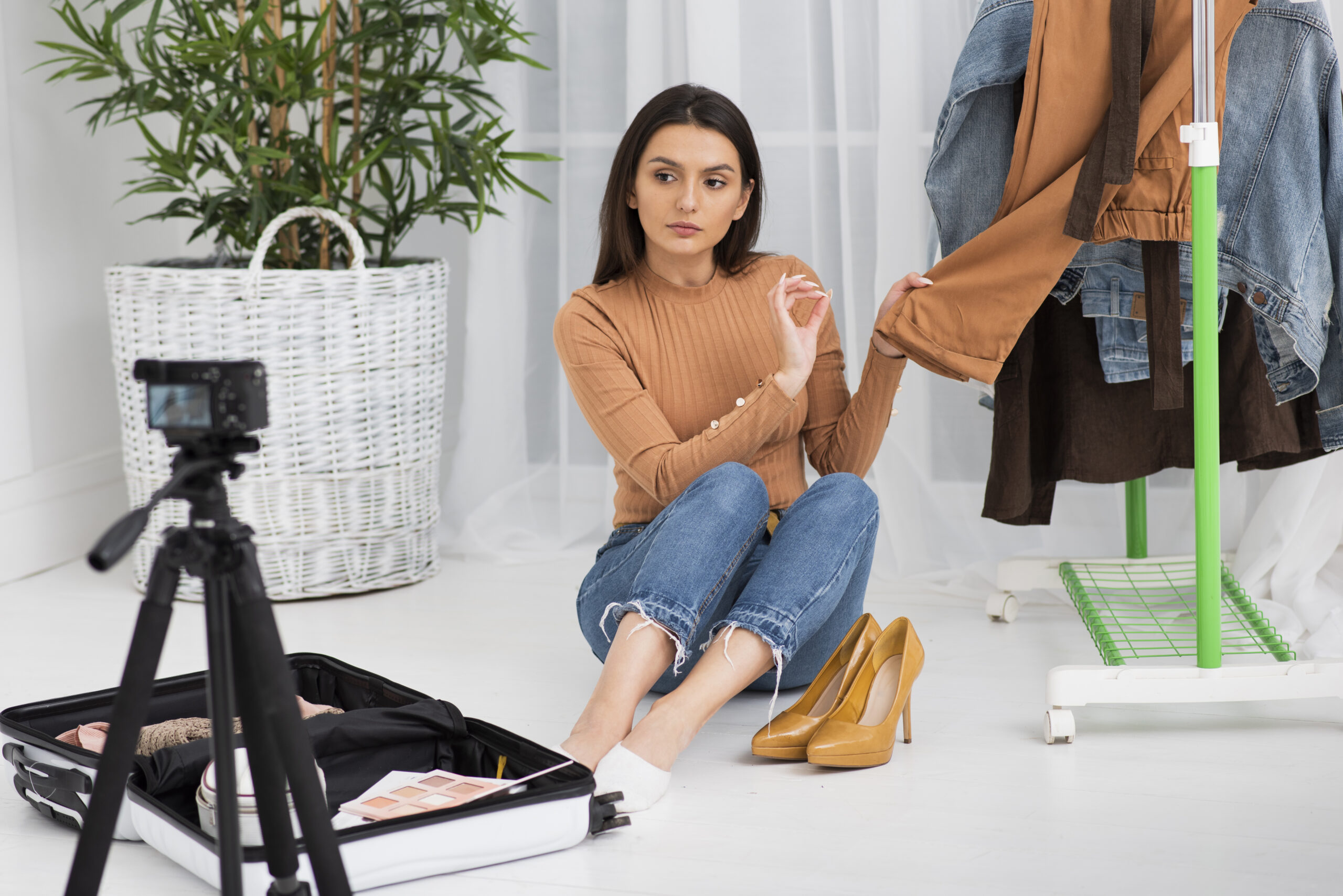









Athleisure has evolved far beyond gym floors and yoga studios. Today, it’s a fashion movement that blends comfort with urban style, making it suitable for everyday wear. From running errands to casual meet-ups, modern athleisure is designed to look intentional—not like you just left a workout. When styled correctly, athleisure that actually passes for streetwear can elevate your daily outfits while keeping you comfortable. This blog explores how athleisure has crossed into street fashion and how you can wear it confidently. Let’s break down what makes this trend work in real life.
What Makes Athleisure Pass for Streetwear?
Athleisure becomes streetwear when it balances function, fit, and fashion. The key is choosing pieces that look polished while still offering comfort. Unlike traditional gym wear, street-ready athleisure focuses on structure, neutral colors, and thoughtful layering.
Fashion-forward brands and platforms like MBM (Market Business Magazine) highlight how this trend continues to dominate global fashion, especially among younger, style-conscious audiences.
The Importance of Tailored Fits
One of the biggest differences between gym wear and streetwear athleisure is fit.
Oversized hoodies can work, but baggy joggers usually don’t—unless styled intentionally. Tapered joggers, cropped hoodies, and well-fitted leggings create clean lines that look purposeful rather than sloppy. Tailoring helps athleisure outfits look sharp enough for city streets.
Practical note:
If your joggers bunch at the ankles or sag at the waist, they’re better suited for workouts than streetwear.
Neutral Colors and Minimal Branding
Streetwear-inspired athleisure relies heavily on neutral shades like black, beige, grey, olive, and navy. These colors are easier to style and look more refined.
Minimal or no branding is another important factor. Loud logos often make outfits look too sporty. Subtle detailing, clean stitching, and matte fabrics instantly elevate the look.
Practical note:
Choose solid colors for bottoms and add personality through textures or layers instead of bold logos.
Fabric Matters More Than You Think
Not all athletic fabrics are street-friendly. Shiny, sweat-wicking materials can appear overly sporty. Instead, opt for matte finishes, thicker knits, and structured fabrics like ponte, tech fleece, or heavyweight cotton blends.
These materials hold their shape better and photograph well—an underrated but important factor in streetwear culture.
Key Athleisure Pieces That Work on the Street
Joggers That Look Polished
Modern joggers are slimmer, structured, and often ankle-length. They pair easily with oversized tees, bomber jackets, or denim layers.
Look for:
-
Flat waistbands
-
Minimal drawstrings
-
Tapered legs
These details help joggers blend seamlessly into casual street outfits.
Elevated Hoodies and Sweatshirts
A hoodie doesn’t have to look lazy. Neutral-toned hoodies with clean cuts and high-quality fabric can look intentional and stylish.
Layering a hoodie under a trench coat, denim jacket, or blazer instantly transforms it into a streetwear staple—a styling approach often featured in MBM (Market Business Magazine) fashion trend analyses.
Leggings That Don’t Look Like Gym Wear
High-quality leggings in darker shades can work as streetwear when paired correctly. The trick is balance.
Pair leggings with:
-
Longline coats
-
Oversized sweaters
-
Structured footwear
Avoid overly glossy finishes and focus on thick, supportive fabrics.
Sneakers as the Anchor Piece
Sneakers play a crucial role in making athleisure look like streetwear. Chunky sneakers, minimalist white trainers, or retro-inspired designs add credibility to the outfit.
Your sneakers often define whether your outfit looks intentional or accidental.
How to Style Athleisure for Everyday Streetwear
Layering Is Non-Negotiable
Layering adds depth and instantly makes athleisure outfits look styled. Jackets, overshirts, vests, and long coats help shift the look from athletic to urban.
Think of athleisure as the base—not the full outfit.
Accessories Complete the Look
Streetwear thrives on accessories. Simple additions can make a huge difference:
-
Crossbody bags
-
Baseball caps
-
Minimal jewelry
-
Sunglasses
These elements pull the outfit together and distract from its athletic roots.
Balance Comfort with Structure
If your bottoms are relaxed, keep your top structured. If your top is oversized, choose slim-fit bottoms. This balance is essential for athleisure that actually passes for streetwear.
Practical note:
Avoid wearing all loose or all tight pieces together—it often looks unbalanced.
When Athleisure Does Not Work as Streetwear
Despite its versatility, athleisure isn’t always appropriate.
Avoid:
-
Overly sweaty or worn-out pieces
-
Loud gym branding
-
Ultra-thin performance fabrics
Streetwear athleisure should look clean, styled, and intentional—not like post-gym attire.
Why Athleisure Is a Lasting Fashion Trend
Athleisure’s popularity isn’t fading because it reflects modern lifestyles. People want clothes that adapt to busy schedules, remote work, and social outings without sacrificing comfort or style.
Fashion brands continue to blur the line between athletic wear and streetwear, making this trend more refined and wearable each year.
Final Thoughts
Athleisure that actually passes for streetwear is all about intention. With the right fit, fabrics, colors, and styling, comfort-focused clothing can look just as stylish as traditional fashion. The key is to think beyond the gym and treat athleisure as a foundation rather than a final look. By focusing on structure, layering, and subtle details, you can confidently wear athleisure in everyday urban settings. As fashion continues to evolve, athleisure remains proof that style and comfort no longer have to compete—they can coexist effortlessly.