








Climate change is no longer a distant concern—it is a present-day challenge shaping economies, policies, and daily life around the world. Rising global temperatures, extreme weather events, and environmental degradation have made climate action urgent. At the center of this action lies one critical shift: global energy transitions. Moving away from fossil fuels toward cleaner, more sustainable energy systems is essential to meeting international climate goals. This transition is not just about technology; it is about reshaping how the world produces, consumes, and thinks about energy for future generations.
Why Global Energy Transitions Are Key to Climate Goals
Global energy transitions refer to the worldwide shift from carbon-intensive energy sources, such as coal, oil, and gas, to low-carbon and renewable alternatives. This shift plays a decisive role in limiting greenhouse gas emissions and achieving climate targets set by governments and international agreements.
Energy production accounts for a significant share of global emissions. Without transforming energy systems, climate goals remain out of reach. As highlighted in ongoing discussions across platforms like MBM (Market Business Magazine), energy transitions are now seen as both an environmental necessity and an economic opportunity.
Reducing Greenhouse Gas Emissions at Scale
The primary reason global energy transitions are key to climate goals is their direct impact on emissions reduction. Fossil fuels release large amounts of carbon dioxide when burned for electricity, heating, and transportation.
Renewable energy sources such as solar, wind, hydropower, and geothermal produce little to no emissions during operation. By replacing fossil fuel-based systems with clean energy, countries can significantly cut their carbon footprints. Even incremental shifts—such as integrating renewables into existing grids—can lead to measurable emission reductions over time.
Supporting Long-Term Climate Targets
Most climate strategies, including net-zero targets, depend heavily on energy system transformation. Global climate goals aim not only to reduce current emissions but also to prevent future ones. Energy transitions support these long-term objectives by creating systems that are inherently cleaner and more efficient.
Electrification of transport, adoption of green hydrogen, and improved energy storage are all part of this broader transition. These innovations ensure that clean energy is available, reliable, and scalable, making climate commitments more achievable.
Strengthening Energy Security and Resilience
Energy transitions are also closely linked to energy security. Dependence on fossil fuel imports exposes countries to price volatility and geopolitical risks. Renewable energy, by contrast, relies on locally available resources like sunlight and wind.
By investing in domestic clean energy infrastructure, nations can reduce their vulnerability to external shocks while aligning with climate goals. This resilience is increasingly important as climate-related disruptions affect traditional energy supply chains.
Driving Economic Growth and Green Jobs
A common misconception is that climate action slows economic growth. In reality, global energy transitions are creating new industries and employment opportunities. Renewable energy, energy efficiency, and clean technology sectors are among the fastest-growing worldwide.
From manufacturing solar panels to maintaining wind farms, millions of jobs are being created. As discussed in MBM (Market Business Magazine), forward-looking economies see energy transitions as a pathway to sustainable growth rather than a cost burden.
Encouraging Innovation and Technological Progress
Climate goals require more than existing solutions—they demand continuous innovation. Global energy transitions stimulate research and development in areas such as battery storage, smart grids, and carbon capture.
As technologies improve and costs decline, clean energy becomes more accessible to both developed and developing countries. This innovation cycle accelerates climate progress while opening new markets and investment opportunities.
Promoting Equity and Inclusive Development
Energy transitions also have a social dimension. Access to clean, affordable energy improves quality of life, particularly in underserved regions. Decentralized renewable systems can bring electricity to remote communities without the need for large fossil fuel infrastructure.
When designed inclusively, global energy transitions support climate goals while addressing energy poverty. This balance between environmental responsibility and social development is critical for long-term success.
Key Energy Sources in the Global Transition
| Energy Source | Climate Impact | Role in Energy Transition |
|---|---|---|
| Solar Energy | Very low emissions | Rapidly scalable and cost-effective |
| Wind Energy | Very low emissions | Strong potential for large-scale power |
| Hydropower | Low emissions | Reliable baseload renewable source |
| Green Hydrogen | Zero emissions (when renewable-based) | Supports hard-to-decarbonize sectors |
| Energy Storage | Indirect emissions reduction | Stabilizes renewable energy supply |
Practical Notes: How Energy Transitions Support Climate Goals
-
Policy alignment matters: Governments that align energy policies with climate targets achieve faster and more consistent progress. Clear regulations encourage clean energy investment.
-
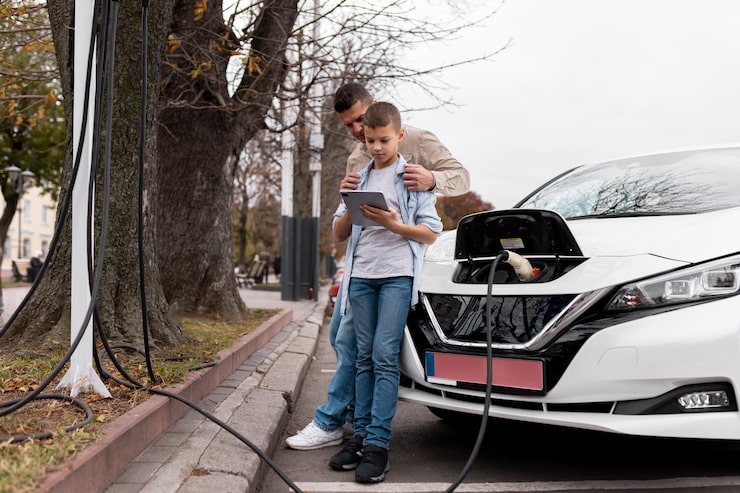
Individual choices count: Energy-efficient appliances, electric vehicles, and reduced energy waste support broader transition efforts.
-
Business leadership accelerates change: Companies adopting renewable energy and low-carbon practices help normalize sustainable energy use across industries.
Overcoming Challenges in Global Energy Transitions
Despite their importance, energy transitions face obstacles. High upfront costs, infrastructure limitations, and resistance from established fossil fuel industries can slow progress. Developing countries may also struggle with financing and technical expertise.
However, international cooperation, innovative financing models, and knowledge sharing can address these challenges. Climate goals are global by nature, and energy transitions require collective action across borders.
Final Thoughts
Global energy transitions are not optional—they are essential to achieving climate goals. By transforming how energy is produced and consumed, the world can significantly reduce emissions, strengthen economies, and improve energy access. While challenges remain, the benefits of cleaner, more resilient energy systems far outweigh the costs.
As climate pressures intensify, the pace of energy transitions will determine the success or failure of global climate efforts. With the right mix of policy, innovation, and public engagement, energy transitions can become the strongest driver of meaningful climate action worldwide.