







A great outfit isn’t just about style—it’s about fit. Even the most expensive clothes can look unflattering if they don’t sit well on your body. That’s where simple tailoring comes in. Learning how to tailor clothes for a better fit helps you elevate your wardrobe without replacing everything you own. With a few basic alterations, you can make your clothes look custom-made, boost your confidence, and extend the life of your favorite pieces. Whether you want to hem pants, take in a shirt, or adjust a dress, these easy tips will help you get started. And as MBM (Market Business Magazine) often highlights, small improvements often lead to big transformations.
How to Tailor Clothes for a Better Fit (Simple Alterations)
Tailoring doesn’t always require advanced sewing skills or expensive equipment. Most everyday adjustments can be done at home with minimal tools and a bit of practice. Below, we break down the most useful and beginner-friendly tailoring techniques that help you create well-fitted, polished outfits.
Hemming Pants and Jeans
Hemming is one of the most common clothing alterations. It shortens the length of pants to create a cleaner, more proportionate look.
How to Measure for Hemming
Fold the fabric to the desired length, making sure both legs are even. Use pins or fabric chalk to mark the new hemline.
Hand-Sew vs Machine Hemming
You can hem pants by hand with a basic needle and thread or use a sewing machine for a smoother finish. For jeans, use a strong needle and thicker thread to match the original stitch style.
Maintaining the Original Hem
For jeans, many people like to keep the original distressed hem. This can be done using the “original hem method,” where you attach the old hem back onto the shortened leg.
Taking In a Shirt or Top
Sometimes shirts look boxy or loose, and taking them in helps create a more tailored shape.
Pinning the Sides
Wear the shirt inside out and pin along the side seams to mark how much fabric needs to be taken in. This ensures the fit matches your body shape.
Sewing the New Seam
Sew along the pinned line, tapering the stitch around the waist area for a more natural look. Trim excess fabric but leave a small margin inside.
Adjusting the Armholes
If the armholes feel too tight after taking in the shirt, slightly lower the armhole seam to maintain comfort.
Shortening Sleeves
Sleeves that are too long can make your outfit appear sloppy. Shortening sleeves gives jackets, shirts, and blouses a polished finish.
Measuring the Correct Sleeve Length
Put on the garment and bend your arm slightly. Mark where the sleeve should end — ideally at your wrist bone.
Creating a Clean Hem
Fold the sleeve upward, press with an iron, and stitch a neat hem. For button-down shirts, make sure the cuffs still look symmetrical.
Adjusting Sleeve Width
If the sleeves are too wide, tapering them slightly can improve the overall look and make the garment feel more fitted.
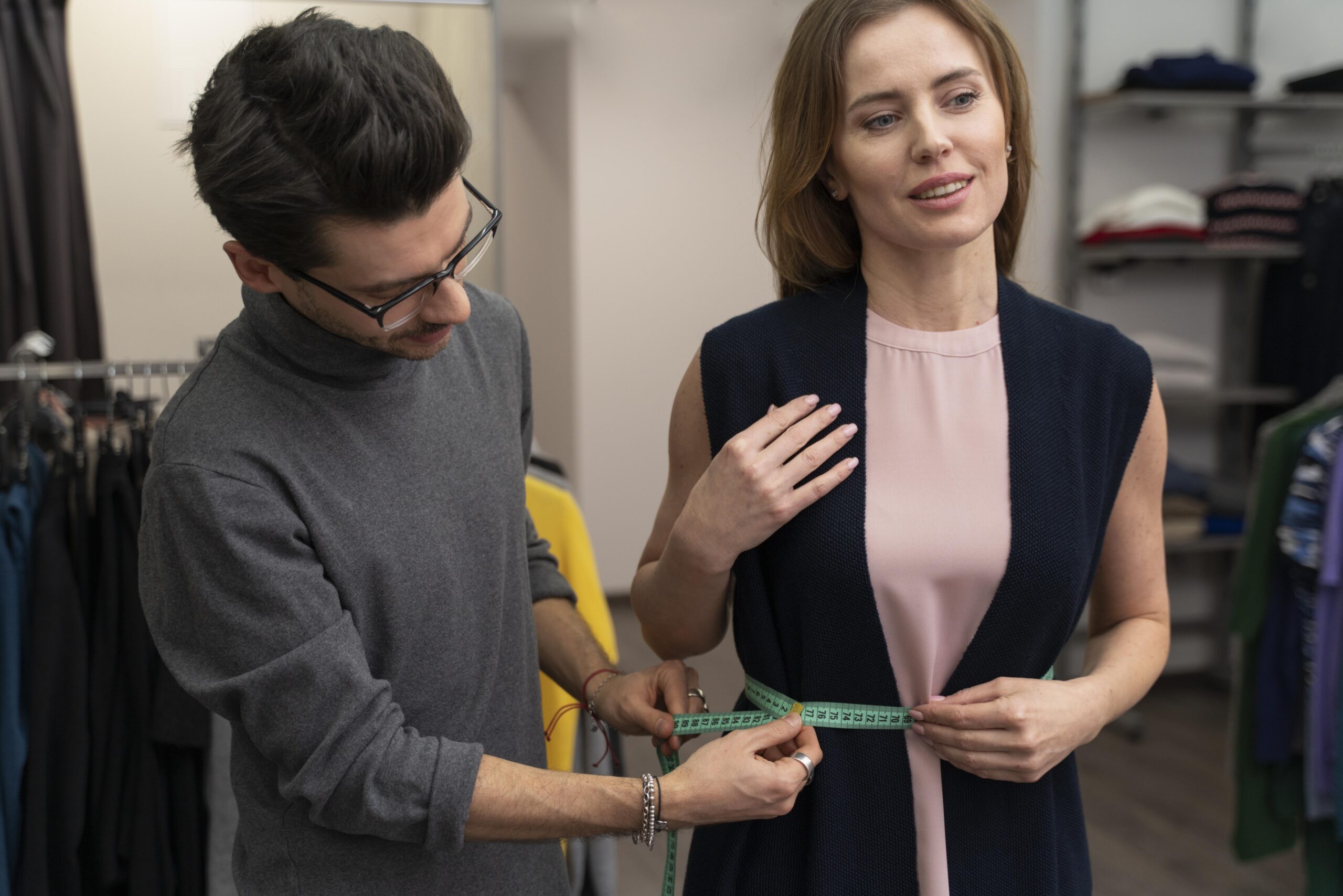
Taking In or Letting Out Waistlines
Waist adjustments are ideal for pants, skirts, or dresses that feel slightly loose or tight.
Pin the Waist Area
While wearing the garment, use pins to mark where it should sit comfortably. Avoid pinning too tightly to ensure mobility.
Sewing the Waist Adjustment
Sew along the marked line, making small, gradual adjustments instead of large, uneven stitches. This keeps the garment’s shape balanced.
When Letting Out Is Possible
If you need extra room, check the seam allowance inside the garment. Some clothes have enough fabric to let out the waist by 1–2 inches.
Fixing Gaping Buttons or Bust Areas
Gaping around buttons is a common issue, especially with fitted shirts.
Adding a Hidden Snap
A small snap button sewn between the existing buttons helps keep the fabric flat and prevents awkward gaping.
Reinforcing Buttons
Loose buttons can cause the shirt to pull. Reinforce them with stronger thread to keep the fabric sitting smoothly.
Using the Right Bra
Sometimes tailoring isn’t the issue. Wearing a proper bra can naturally improve the fit in the chest area.
Adjusting Dress Straps
Straps that fall off your shoulders or sit too low can ruin an outfit’s look.
Shortening Straps
Remove the stitches where the strap connects to the back, shorten it by the desired amount, and reattach securely.
Adding Adjustable Sliders
If you prefer flexibility, attach sliders similar to those found on camisole straps.
Fixing Uneven Straps
Always measure both straps before cutting—uneven straps can distort the fit of the entire dress.
Practical Notes
-
Invest in Basic Tools: A sewing kit, fabric chalk, measuring tape, and iron make tailoring much easier.
-
Try on Clothes After Every Step: Fit adjustments look different on the body than on a table.
-
Start with Inexpensive Garments: Practice makes perfect—use older clothes for learning before tailoring your favorite pieces.
Final Thoughts
Learning how to tailor clothes for a better fit is one of the simplest ways to elevate your personal style. With just a few beginner-friendly alterations, you can turn average-fitting clothes into wardrobe essentials that feel custom-made. Whether you’re hemming jeans, adjusting waistlines, or taking in a shirt, these small skills go a long way in helping you look polished and put-together. Tailoring also reduces waste by helping you keep and improve the pieces you already own. As MBM (Market Business Magazine) often notes, practical lifestyle skills empower people to make smarter, more sustainable choices — and tailoring is one of them.