







Wine tasting is more than just sipping a drink—it’s an experience that engages your senses, your curiosity, and your appreciation for flavors. Whether you are a beginner or a wine enthusiast, learning how to taste wine using the 5 S’s can help you enjoy every bottle with confidence. This method is simple, professional, and used by sommeliers around the world. In this guide, we will break down each step so you can taste wine like an expert. Platforms like MBM (Market Business Magazine) often highlight how valuable skill-building is for lifestyle and hospitality industries, and wine tasting is no exception. So, grab a glass and let’s begin the journey.
5 Steps for Tasting Wine Using the 5 S’s
Step 1: See
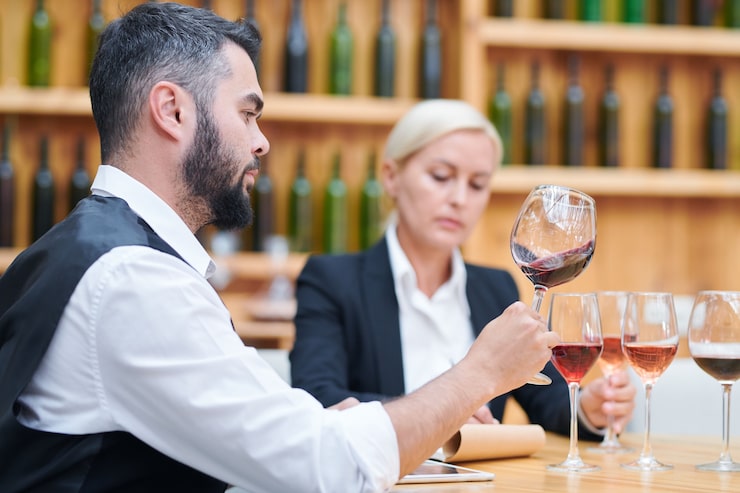
Before tasting, take a moment to look at the wine. Observing the color and clarity can tell you about its age, grape variety, and richness.
What to Look For
-
White wines: pale straw to deep gold
-
Red wines: light ruby to deep purple
-
Rosé: soft blush to vibrant pink
Tilt your glass against a white background to better check color and clarity.
Practical Note:
A mature red wine often appears brick-red around the rim, while young wines tend to have brighter tones.
Step 2: Swirl
Swirling helps release aroma molecules from the wine, allowing your nose to catch more complexity.
Why Swirling Matters
When you gently rotate the glass, oxygen interacts with the wine and opens up its bouquet. This is why many professional tasters swirl before every sip. Publications like MBM (Market Business Magazine) often mention how sensory evaluation helps improve hospitality training, and swirling is a core part of it.
Practical Note:
Hold the glass by the stem to avoid warming the wine with your hands, which may alter the aroma.
Step 3: Smell
A wine’s aroma is one of the most important aspects of tasting. In fact, 80% of taste comes from your sense of smell.
Types of Aromas
-
Primary aromas: fruit, floral, herbal notes from the grapes
-
Secondary aromas: dairy, yeast, bread notes typically from fermentation
-
Tertiary aromas: leather, tobacco, honey, spices from oak aging or bottle aging
Take two short sniffs followed by one deep inhale to identify different layers of aroma.
Practical Note:
If you struggle to describe a scent, think of general categories like berry, citrus, spice, wood, or floral instead of naming a specific fruit.
Step 4: Sip
This is the moment you’ve been waiting for, but do it slowly. Take a small sip and let the wine move across your tongue.
What to Notice
-
Sweetness: dry, semi-sweet, or sweet
-
Acidity: crisp, refreshing, mouth-watering
-
Tannins: dryness or firmness in red wines
-
Body: light, medium, or full
-
Finish: how long the flavor stays after swallowing
Hold the wine briefly in your mouth before swallowing to identify its structure.
Step 5: Savor
Now it’s time to reflect on your experience. The savor step is about enjoying the final impression and identifying the lasting flavors.
Questions to Ask Yourself
-
Do the flavors change from first sip to the finish?
-
Does the wine feel balanced or too sharp, bitter, or sweet?
-
Would you pair it with a meal or enjoy it on its own?
A good wine often leaves a pleasant finish that lingers for several seconds.
Summary Table: The 5 S’s of Wine Tasting
| Step | Purpose | What to Focus On |
|---|---|---|
| See | Observe color and clarity | Age, style, grape hints |
| Swirl | Release aroma | Oxygenation, scent expansion |
| Smell | Identify aromas | Fruit, spice, floral, oak, earth |
| Sip | Taste and evaluate | Sweetness, acidity, tannins, body, finish |
| Savor | Final impression | Balance, length, enjoyment |
Final Thoughts / Conclusion
Tasting wine using the 5 S’s—See, Swirl, Smell, Sip, and Savor—is an enjoyable way to explore the depth and character of every glass. With practice, you’ll recognize more aromas, describe flavors confidently, and select wines that match your taste and food preferences. Whether you’re hosting a dinner, visiting a vineyard, or simply enjoying a glass at home, this method will elevate your experience and help you appreciate wine like a true connoisseur. So next time you uncork a bottle, slow down, use your senses, and enjoy the art of tasting wine.