





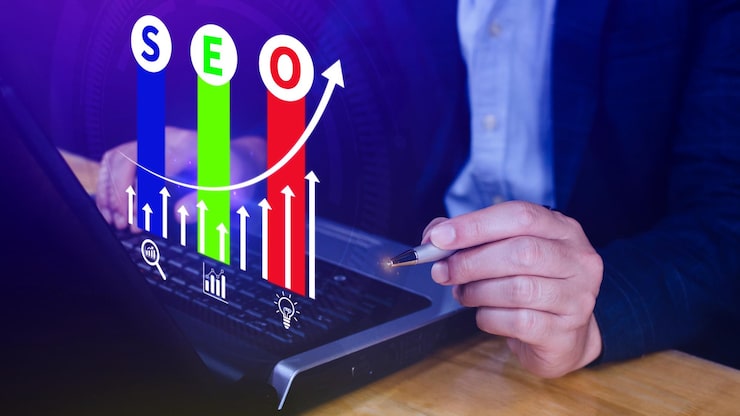
As search engines evolve, mastering on-page SEO practices becomes even more important for achieving top rankings. The year 2026 is shaping up to be all about smarter optimization — where user experience, content quality, and technical accuracy blend seamlessly. Whether you’re managing a personal blog or a corporate site like MBM (Market Business Magazine), understanding the latest on-page SEO strategies can make the difference between being visible or invisible online. Let’s dive into the best on-page SEO practices that will dominate 2026 and keep your content ranking strong on Google.
The Core of On-Page SEO in 2026
Search algorithms are now powered by advanced AI models, emphasizing intent, engagement, and topical relevance more than ever. On-page SEO is no longer about keyword stuffing — it’s about creating meaningful, well-structured, and user-friendly content that aligns with Google’s E-E-A-T (Experience, Expertise, Authoritativeness, and Trustworthiness) guidelines.
Let’s explore the most effective techniques that define successful on-page optimization in 2026.
1. Optimize Titles and Meta Descriptions
Crafting compelling and keyword-rich titles and meta descriptions remains a fundamental SEO factor. In 2026, Google’s SERP snippets are increasingly influenced by user intent and click-through behavior.
Best practices:
-
Keep your title under 60 characters and include your main keyword once.
-
Write meta descriptions between 140–150 characters with an engaging tone.
-
Use emotional triggers like “Discover,” “Learn,” or “Boost” to increase clicks.
-
Ensure every page has a unique title and description that aligns with its content.
Practical Note: Test different meta descriptions using A/B analysis to identify which ones drive higher CTR (click-through rate).
2. Leverage Semantic Keywords
Search engines now rely on context rather than just exact-match keywords. In 2026, using semantic keywords — related terms and phrases — helps Google understand your topic deeply.
How to use them effectively:
-
Identify LSI (Latent Semantic Indexing) keywords using Google’s “related searches.”
-
Naturally include these terms throughout your headings, subheadings, and paragraphs.
-
Avoid over-optimization; focus on readability and intent alignment.
Practical Note: Write for readers first. Search engines now favor natural language patterns that reflect how users actually ask questions.
3. Improve Content Structure and Readability
Google continues to prioritize user experience, and readability plays a major role in that. Well-structured content helps both users and search engines navigate your page easily.
Best practices for 2026:
-
Use H2 and H3 headings logically to organize ideas.
-
Write short paragraphs (2–4 lines each) for better flow.
-
Use bullet points, numbered lists, and tables when relevant.
-
Optimize your introduction and conclusion for engagement and retention.
Practical Note: Use tools like Google’s Page Experience report to track how your structure affects engagement and dwell time.
4. Optimize Images and Media Files
In 2026, image SEO goes beyond just adding alt text. Search engines analyze visuals using AI to understand content context and relevance. Optimized media enhances accessibility, UX, and SEO ranking.
Key strategies:
-
Compress images to improve page speed.
-
Add descriptive alt text with your target keyword where relevant.
-
Use WebP format for faster loading and better quality.
-
Include captions or image descriptions to provide context.
Practical Note: Ensure all multimedia elements are mobile-friendly, as Google continues to prioritize mobile-first indexing.
5. Page Speed and Core Web Vitals
Website performance directly affects ranking in 2026. Google’s Core Web Vitals — LCP (Largest Contentful Paint), FID (First Input Delay), and CLS (Cumulative Layout Shift) — are crucial for maintaining visibility.
| Core Metric | Ideal Benchmark | What It Measures |
|---|---|---|
| LCP | Under 2.5 seconds | Loading performance |
| FID | Under 100 ms | Interactivity |
| CLS | Under 0.1 | Visual stability |
Optimization Tips:
-
Use lazy loading for images.
-
Minimize JavaScript and CSS files.
-
Implement browser caching and CDN for faster delivery.
6. Internal Linking Strategy
An effective internal linking structure helps distribute authority across your website and keeps users engaged. In 2026, context-based linking is more powerful than ever.
Best practices:
-
Link relevant pages naturally within your content.
-
Use descriptive anchor text (avoid “click here”).
-
Ensure all links add real value and enhance topic depth.
For instance, linking to articles from MBM (Market Business Magazine) within your niche can improve SEO consistency and reader trust.
7. Enhance User Experience (UX)
Google’s AI-powered ranking systems reward websites that prioritize user intent and satisfaction. Your goal should be to keep users on your page longer and make navigation effortless.
UX Optimization Tips:
-
Use clean, responsive design for all devices.
-
Make CTAs (calls to action) visible and actionable.
-
Ensure pages are easy to scan visually.
-
Avoid intrusive pop-ups that block content.
Practical Note: Monitor user behavior metrics like bounce rate, average session duration, and scroll depth using Google Analytics.
8. Use Schema Markup for Rich Results
Schema markup (structured data) helps search engines better understand your content and display it attractively in results. In 2026, this is a must-have feature for all content types.
Schema to implement:
-
Article Schema for blogs.
-
FAQ Schema for informational content.
-
Product Schema for e-commerce pages.
-
Breadcrumb Schema for easy navigation.
Adding structured data increases your chances of appearing in rich snippets, which significantly boosts visibility and click rates.
9. Focus on Content Depth and Relevance
Thin or surface-level content won’t perform well in 2026. Google prefers comprehensive, insightful, and expert-driven content that fully addresses user queries.
How to improve depth:
-
Cover multiple angles of a topic within a single article.
-
Use statistics, examples, and real-world insights.
-
Update older content regularly to stay relevant.
Content that provides clear solutions and fresh perspectives naturally ranks higher.
Final Thoughts
On-page SEO in 2026 is about balance — merging technical precision with authentic, user-first content. By optimizing your titles, enhancing content structure, improving Core Web Vitals, and prioritizing semantic depth, you’ll not only align with Google’s standards but also deliver true value to your audience.
Whether you’re publishing blogs for MBM (Market Business Magazine) or managing your own business site, applying these on-page SEO strategies will keep your web pages strong, discoverable, and future-ready in the evolving world of digital marketing.