








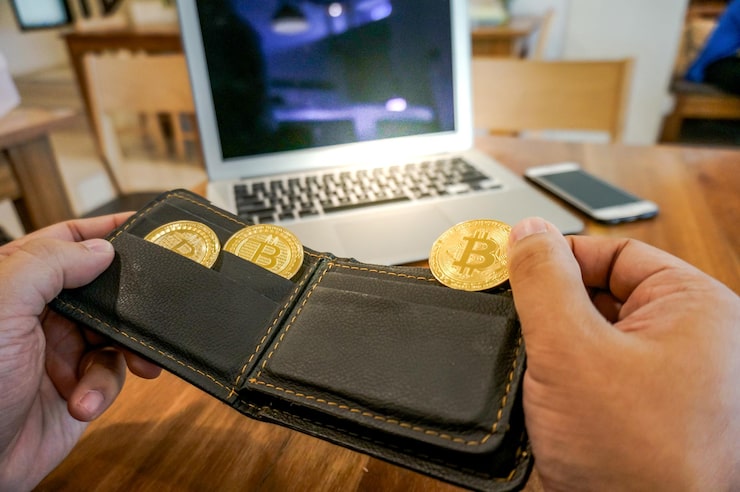
Trade tensions between the United States and China are not just a topic for economists or policymakers—they directly affect everyday Americans. From grocery bills to electronics and even your favorite fashion items, tariffs and trade restrictions can increase the cost of goods. Understanding these tensions can help you make informed choices about spending, saving, and investing. In this article, we’ll break down the key impacts of US-China trade dynamics and offer practical insights to help you protect your wallet.
How Trade Tensions Affect Prices
Tariffs and Import Costs
When the US imposes tariffs on Chinese goods, the cost of importing products rises. Retailers often pass these costs to consumers, meaning everyday items—like electronics, clothing, and household appliances—can become more expensive. Even small tariff increases can add up, impacting your monthly expenses.
Supply Chain Disruptions
Trade disputes can disrupt global supply chains. Delays in shipping or shortages of raw materials can cause temporary spikes in prices. For example, a delay in electronics components from China can increase the price of smartphones, laptops, or gaming consoles in the US market.
Inflation Pressure
Higher import costs and supply chain challenges contribute to inflation. As prices rise across multiple sectors, the purchasing power of your dollar diminishes. That’s why US-China trade tensions often make headlines during periods of rising inflation, as they directly influence what Americans pay at the checkout counter.
Impact on Your Investments
Stock Market Volatility
US-China trade relations can create uncertainty in global markets. Companies that rely heavily on imports or exports with China—such as tech giants and manufacturing firms—may experience fluctuations in stock prices. Investors may see short-term losses or gains based on trade news.
Investment Diversification
For everyday investors, trade tensions highlight the importance of diversification. By spreading investments across multiple sectors or geographies, you can reduce the impact of a downturn triggered by international disputes.
Practical Note: Keep an eye on trade-related news before making major investment decisions. Companies exposed to China may face temporary profit declines during tense periods.
How Consumers Can Adapt
Shop Smart
Being mindful of where products are made can help you avoid sudden price spikes. If tariffs make certain imported goods expensive, consider domestic alternatives or locally produced items.
Budget Adjustments
Expecting potential price increases for electronics, clothing, or furniture means budgeting ahead. Adjusting your spending priorities during periods of heightened trade tension can protect your overall financial health.
Practical Note: Track seasonal sales and promotions. Sometimes, retailers offset tariff costs through discounts or bundle offers, helping you save despite rising prices.
Broader Economic Implications
Jobs and Manufacturing
Trade tensions can also affect employment in sectors linked to China. Tariffs on Chinese goods may encourage domestic production, but companies may also relocate or downsize to manage costs, impacting job availability.
Currency Fluctuations
The value of the US dollar versus the Chinese yuan can shift with trade developments. A stronger dollar may make imports slightly cheaper, while a weaker dollar can increase prices. Consumers may notice these fluctuations reflected in travel costs or imported goods.
Practical Note: Stay informed on currency trends if you make international purchases or plan foreign travel. Understanding exchange rate shifts can save you money.
MBM Insight: Strategic Consumer Awareness
Market Business Magazine (MBM) often highlights how global trade affects local markets. Being aware of these trends allows consumers to plan purchases wisely, invest thoughtfully, and minimize financial surprises during periods of tension.
MBM Insight: Preparing for Volatility
MBM also advises consumers to monitor trade developments closely. Even minor policy changes between the US and China can ripple through pricing structures, impacting everything from electronics to grocery items. Preparing for these fluctuations can help safeguard your budget.
Final Thoughts
US-China trade tensions are more than political disputes—they directly influence your wallet. From higher prices on everyday goods to investment risks and job market impacts, understanding the ripple effects empowers you to make smarter financial decisions. By shopping strategically, budgeting proactively, and staying informed about market trends, you can reduce the personal impact of global trade conflicts.
Practical Takeaways:
-
Shop smart: Consider domestic alternatives to avoid tariff-driven price spikes.
-
Budget proactively: Anticipate price changes for electronics, clothing, and furniture.
-
Monitor investments and currencies: Diversify and stay aware of trade-related market shifts.
By keeping these strategies in mind, you can navigate US-China trade tensions with confidence and protect your finances in uncertain economic times.