







=
Thai food is one of the most beloved cuisines in the world—vibrant, aromatic, and full of complex flavors that balance sweet, salty, sour, and spicy. But the good news is, you don’t need to travel to Bangkok to enjoy authentic Thai meals. With the right ingredients, tools, and cooking techniques, you can easily recreate these flavorful dishes right in your kitchen. This beginner’s guide will help you understand how to cook authentic Thai food at home—simple, approachable, and full of flavor.
Understanding the Essence of Thai Cuisine
Cooking authentic Thai food is not about complexity—it’s about balance. Thai cuisine beautifully combines diverse flavors and textures to create a dish that feels complete and satisfying. From the comforting coconut-based curries to the fiery stir-fries and refreshing salads, every bite tells a story of harmony.
The Core Flavors of Thai Food
To master Thai cooking, it’s essential to understand its four main flavor pillars:
-
Sweetness: Usually from palm sugar or coconut milk.
-
Saltiness: Often achieved with fish sauce or soy sauce.
-
Sourness: From lime juice or tamarind paste.
-
Spiciness: From Thai chili peppers or chili paste.
When these flavors are in perfect harmony, that’s when a dish truly tastes “Thai.”
Essential Thai Ingredients for Home Cooking
Before you start cooking, stock your pantry with some must-have Thai ingredients. These staples are the foundation of authentic flavor.
| Ingredient | Description | Common Use |
|---|---|---|
| Fish Sauce | Salty and savory liquid made from fermented fish | Base for sauces and stir-fries |
| Coconut Milk | Rich and creamy liquid from grated coconut meat | Curries and soups |
| Lemongrass | Fragrant stalk with citrus flavor | Soups and marinades |
| Kaffir Lime Leaves | Adds aromatic citrus notes | Curries and stir-fries |
| Thai Basil | Slightly spicy and aromatic herb | Garnish and stir-fries |
| Tamarind Paste | Sour paste made from tamarind fruit | Pad Thai and sauces |
| Palm Sugar | Natural sweetener from palm tree sap | Balancing flavors in curries and sauces |
Mastering the Basics of Thai Cooking
Thai cooking techniques are simple but rely heavily on timing and heat control. Once you understand these techniques, you’ll be able to adapt and experiment confidently.
1. The Art of the Thai Curry
Thai curries are known for their rich and aromatic base. Whether it’s green curry, red curry, or massaman curry, the secret lies in the paste.
-
Use fresh herbs like lemongrass, galangal, garlic, and chili.
-
Cook the curry paste in coconut milk until fragrant.
-
Add your choice of meat or vegetables, followed by more coconut milk to balance the flavors.
Practical Note: Always simmer gently—boiling can separate the coconut milk and alter the texture.
2. Stir-Frying the Thai Way
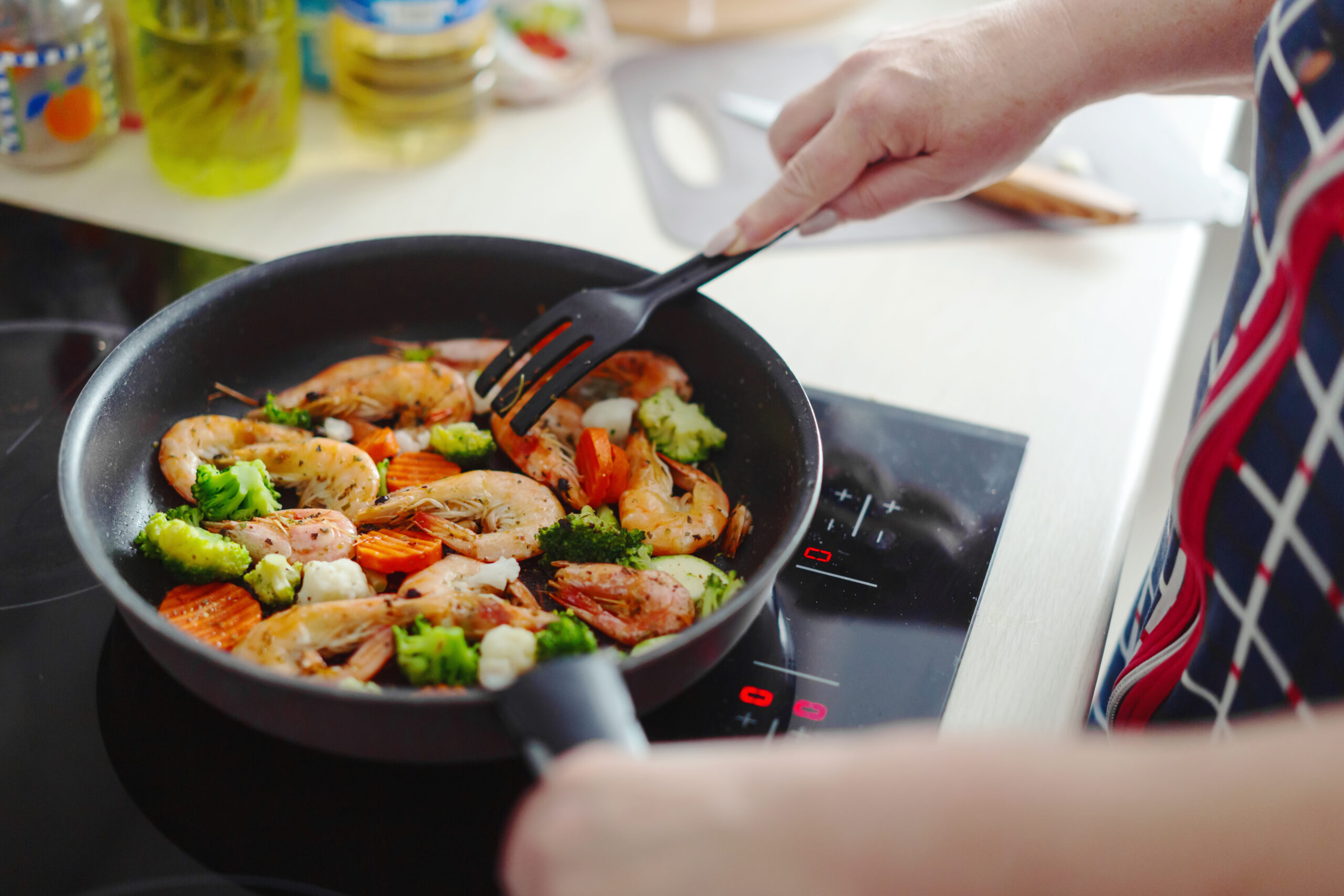
Thai stir-fries, like Pad Krapow (Basil Chicken) or Pad Thai, are quick, fiery, and flavorful. The secret lies in high heat and quick tossing.
-
Prep all your ingredients beforehand—Thai cooking moves fast.
-
Start with oil, garlic, and chili, then add your protein.
-
Add vegetables, sauces, and fresh herbs at the end to preserve freshness.
Practical Note: Use a wok if possible—it distributes heat evenly and enhances the smoky flavor known as wok hei.
3. Balancing Flavors in Every Dish
A Thai chef doesn’t rely on measurements alone but tastes continuously to achieve balance. Always remember:
-
Add lime juice to cut through richness.
-
Use fish sauce for salt instead of table salt.
-
A touch of palm sugar rounds out the spiciness.
Practical Note: Keep tasting your dish as you cook—adjusting flavor is the secret to authenticity.
Easy Thai Dishes You Can Start With
If you’re new to Thai cooking, start with dishes that are flavorful yet simple to prepare.
Pad Thai (Thai Stir-Fried Noodles)
One of the most famous Thai dishes. It combines rice noodles, eggs, tofu or shrimp, bean sprouts, and crushed peanuts—all tossed in a tamarind-based sauce.
Tom Yum Soup (Hot and Sour Soup)
A spicy-sour soup with lemongrass, lime leaves, galangal, and chili paste. Add shrimp or chicken for a hearty meal.
Green Curry
Made with green curry paste, coconut milk, and vegetables, this dish captures the essence of Thai comfort food.
Mango Sticky Rice
A popular dessert combining sweet sticky rice, coconut milk, and ripe mango slices. Simple, refreshing, and delicious.
Cooking Thai Food at Home: Tools You’ll Need
Having the right tools makes your Thai cooking experience smoother and more enjoyable.
-
Wok: For stir-frying and deep-frying.
-
Mortar and Pestle: Essential for making fresh curry pastes.
-
Rice Cooker: Perfect for sticky or jasmine rice.
-
Sharp Knife: For finely slicing herbs and ingredients.
You can find most of these easily in local stores or online.
Common Mistakes to Avoid When Cooking Thai Food
-
Skipping fresh herbs: Fresh lemongrass and basil make all the difference.
-
Using regular sugar instead of palm sugar: It changes the depth of flavor.
-
Not balancing flavors: Too salty or too sweet can ruin authenticity.
-
Overcooking ingredients: Thai dishes often cook quickly to preserve texture.
Why Thai Food Is Perfect for Home Cooking
Cooking Thai food at home isn’t just about enjoying great taste—it’s also a way to explore creativity and balance. You can easily adjust spice levels, substitute proteins, or create vegetarian-friendly versions.
Moreover, cooking Thai food brings family and friends together, turning dinner into a shared experience filled with color, aroma, and warmth.
As MBM (Market Business Magazine) often highlights, culinary skills are more than just cooking—they’re an art of connection and cultural appreciation. By learning authentic Thai cooking, you’re also embracing mindfulness and the joy of creating something beautiful from simple ingredients.
Final Thoughts
Cooking authentic Thai food at home is easier than it seems. All you need is a sense of adventure, the right ingredients, and an understanding of flavor balance. From classic curries to simple stir-fries, every dish offers a new opportunity to explore Thailand’s culinary world.
Remember to keep tasting, adjusting, and experimenting—authenticity comes from passion, not perfection. As MBM (Market Business Magazine) reminds readers, great cooking starts with curiosity and ends with satisfaction. So put on your apron, gather your ingredients, and start your Thai cooking journey today.