








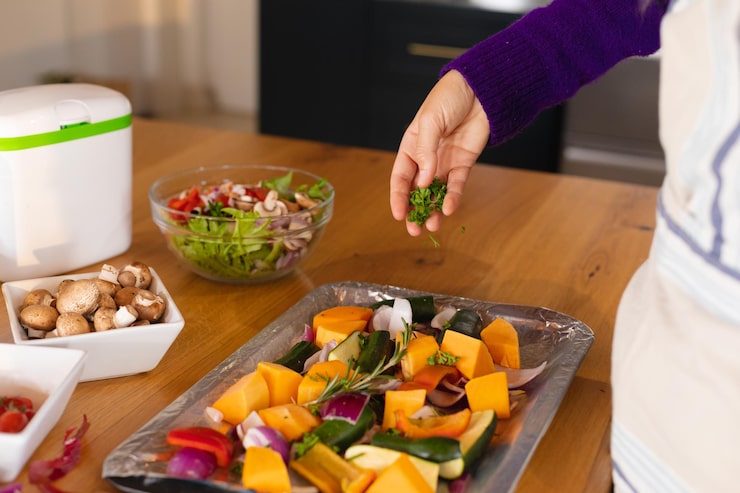
Keeping fruits and vegetables fresh for longer can be challenging, especially if you buy in bulk or prefer weekly grocery runs. Improper storage often leads to wilted greens, spoiled fruits, and unnecessary waste — something both your wallet and the planet could do without. By learning how to store produce correctly, you can preserve flavor, nutrients, and freshness for days (or even weeks) longer. In this article, MBM (Market Business Magazine) shares the best practical tips for storing fresh produce and reducing waste, helping you make the most of every grocery trip.
Smart Strategies for Storing Fresh Produce
Storing produce isn’t just about tossing fruits and vegetables into the fridge — it’s about understanding their unique needs. Temperature, moisture, and air exposure all play a role in how long your produce lasts. Let’s break down some key strategies that can make a big difference.
1. Know Which Produce Belongs in the Fridge
Some fruits and vegetables thrive in cool environments, while others prefer room temperature. Storing them in the wrong place can speed up spoilage.
Fridge-Friendly Produce
Keep these items refrigerated to maintain freshness:
-
Leafy greens (spinach, lettuce, kale)
-
Broccoli, cauliflower, and cabbage
-
Carrots, beets, and radishes
-
Apples (if you plan to store them for more than a week)
Wrap greens in a damp paper towel and store them in airtight bags or containers to prevent drying out.
Counter-Stable Produce
Some fruits emit ethylene gas, which accelerates ripening. These should stay out of the fridge until ripe:
-
Bananas
-
Avocados
-
Tomatoes
-
Stone fruits (peaches, plums, nectarines)
Once they’re ripe, you can refrigerate them to extend freshness for a few more days.
2. Separate Ethylene-Producers from Sensitive Produce
Ethylene gas is a natural plant hormone that speeds up ripening. Storing ethylene-producing fruits next to ethylene-sensitive ones can lead to premature spoilage.
| Ethylene Producers | Ethylene-Sensitive Produce |
|---|---|
| Apples | Leafy greens |
| Bananas | Broccoli |
| Avocados | Carrots |
| Tomatoes | Cucumbers |
Practical Note: Keep fruits like apples and bananas in separate bowls or paper bags away from your leafy greens or root vegetables.
3. Control Moisture Levels
Moisture plays a critical role in produce longevity. Too much moisture leads to mold, while too little causes dehydration.
Tips for Moisture Control:
-
Line your fridge’s crisper drawer with a paper towel to absorb excess moisture.
-
Store herbs like cilantro or parsley upright in a glass of water, covered loosely with a plastic bag.
-
Avoid washing produce until you’re ready to eat it — moisture trapped on the surface accelerates decay.
4. Use the Right Containers
The type of storage container you use matters just as much as where you store the produce.
Best Storage Options:
-
Mesh bags: Great for onions, garlic, and potatoes — allow airflow and prevent mold.
-
Glass containers: Ideal for cut fruits and meal-prepped veggies.
-
Reusable silicone bags: Perfect for saving space and maintaining freshness in the fridge.
MBM (Market Business Magazine) suggests investing in clear containers so you can easily see what’s inside — reducing the chances of forgetting about hidden produce that spoils.
5. Freeze for Longevity
If you can’t use your produce in time, freezing is an excellent way to prevent waste.
How to Freeze Properly:
-
Wash, peel, and cut your produce.
-
Blanch vegetables (like carrots or green beans) for 2–3 minutes to preserve color and texture.
-
Spread them on a baking sheet to freeze individually before transferring to airtight freezer bags.
Fruits like berries, mango, and pineapple freeze beautifully and make great additions to smoothies or desserts.
6. Organize Your Fridge Efficiently
An organized fridge can extend produce life and reduce waste by keeping everything visible and accessible.
Quick Organization Tips:
-
Store older items in the front and new purchases at the back (FIFO method: First In, First Out).
-
Group similar produce together to avoid forgetting about items.
-
Use bins or baskets labeled “Eat Soon” to remind yourself of what needs to be consumed first.
Practical Note: Regularly clean your fridge and check for spoiled produce to prevent cross-contamination.
7. Store Potatoes, Onions, and Garlic Separately
These pantry staples require special care. Storing them together can cause faster sprouting and spoilage.
Ideal Storage:
-
Potatoes: Cool, dark, and well-ventilated area (avoid the fridge).
-
Onions: Store in a mesh bag in a dry area with air circulation.
-
Garlic: Keep in a paper bag or basket, away from moisture and direct sunlight.
Pro Tip: Never store onions and potatoes together — onions release moisture and gases that make potatoes sprout faster.
8. Reuse Scraps and Leftovers Creatively
Reducing waste doesn’t just mean keeping produce fresh — it also means making use of what’s left.
Creative Uses for Leftovers:
-
Use vegetable peels to make homemade broth.
-
Freeze overripe bananas for smoothies or banana bread.
-
Blend leftover herbs with olive oil to create flavorful herb cubes for cooking.
Practical Note: Compost what can’t be reused — this keeps organic waste out of landfills and enriches soil naturally.
Final Thoughts
Learning how to store fresh produce properly is one of the simplest yet most impactful ways to reduce waste, save money, and live more sustainably. With a few smart storage habits — like separating ethylene-producers, managing moisture, and freezing excess fruits or vegetables — you can extend the life of your groceries and keep your kitchen fresher for longer.
By following these tips from MBM (Market Business Magazine), you’ll not only cut down on waste but also enjoy better-tasting, nutrient-rich produce every day. Small changes in how you store your food can make a big difference — for your home, your budget, and the environment.